Post by : Saif Nasser
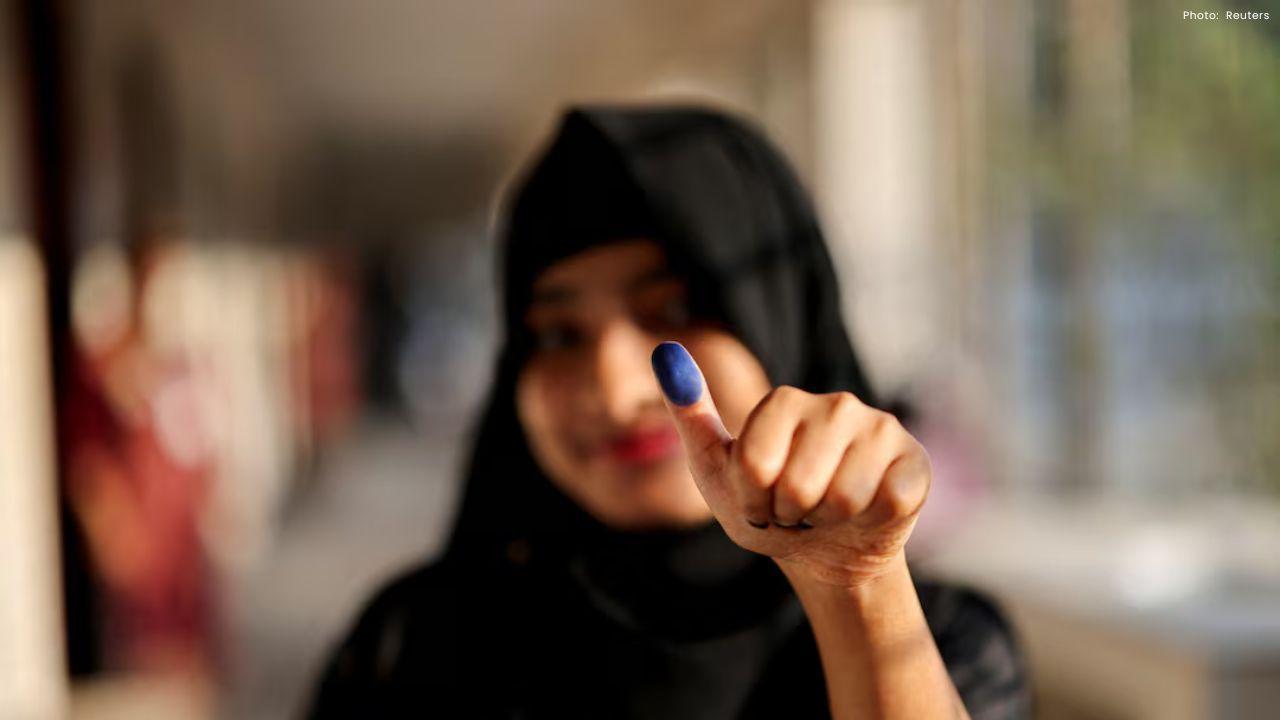
Bangladesh is voting in one of the most important elections in its history. This national vote comes after a major youth-led uprising in 2024 that forced long-time Prime Minister Sheikh Hasina from power. Now, millions of citizens are standing in long lines outside polling booths, hoping their votes will shape a new political future for the country.
This election is not just about choosing a government. It is also about rebuilding trust in democracy, restoring stability, and answering the demands raised by young protesters who called for fairness, accountability, and reform.
Across the country, polling stations opened early in the morning, and reports showed heavy turnout from the start. Many voters said they felt this was the first time in many years that their vote would truly matter. Some people waited for hours before polls opened just to make sure they could cast their ballot.
Bangladesh has a population of about 175 million people, and nearly 128 million are registered to vote. Almost half of all voters are between 18 and 35 years old. This large youth share explains why the Gen Z protest movement played such a powerful role in changing the country’s political direction.
The current election follows months of unrest after protests removed the previous leadership. Those protests were driven mainly by young citizens angry about inequality, lack of opportunity, and claims of unfair elections in the past. Factories, transport systems, and especially the garment export industry were disrupted during the turmoil. That industry is one of the biggest sources of jobs and foreign income for Bangladesh, so political stability now is very important for economic recovery.
The main contest is between two large political coalitions led by former allies — the Bangladesh Nationalist Party (BNP) and Jamaat-e-Islami. Opinion surveys before the vote suggested the BNP coalition may have a slight advantage, but the race is still considered competitive. More than 2,000 candidates are contesting 300 parliamentary seats, and over 50 political parties are taking part — the highest number in the country’s history. One constituency vote has been postponed because a candidate died.
Sheikh Hasina’s Awami League party is banned from contesting, and she remains outside the country. Her absence has completely changed the political field. It has also affected Bangladesh’s foreign relations, especially with neighboring India, which had close ties with her government. Some analysts believe this shift could open more space for other global powers, including China, to increase their influence in Bangladesh.
Alongside the election, voters are also taking part in a national referendum on constitutional reforms. These proposed changes are wide-ranging. They include creating a neutral interim government during election periods, setting a two-term limit for any prime minister, increasing the number of women in politics, strengthening the independence of courts, and changing parliament into a two-house system. If approved, these reforms could reshape how the country is governed for decades.
Security has been very tight on election day. Nearly one million police, army, and paramilitary personnel have been deployed across the country. Officers are stationed outside most polling centers. So far, reports say the campaign period and voting hours have been mostly peaceful, with only a few minor incidents. That calm atmosphere is important because past elections were often criticized for intimidation and boycotts.
Many personal stories from voters show how mixed the public mood is. Some people are excited and hopeful. Others feel unsure or disappointed that certain parties are not allowed to compete. Some workers living in big cities say they cannot afford to travel back to their home districts to vote because they would lose a day’s income. Still, many say they are determined to take part because voting is their basic right.
International observers say the real test will come after the votes are counted. A fair process is only one part of democracy. The losing side must also accept the result peacefully. If that happens, it will be a strong sign that Bangladesh is entering a new democratic phase after a period of deep conflict.
Counting will begin soon after polls close, with early trends expected late at night and clearer results by the next morning. The outcome will decide not only who forms the next government but also whether the energy of the youth uprising leads to lasting democratic reform.
This election stands as a turning point. It shows how strongly young voices can influence national direction — and how important it is for political systems to listen before anger turns into crisis.









Reopening of the Strait of Hormuz: New Regulations to Impact Global Trade
Iran reopens the strategic Strait of Hormuz with new regulations affecting oil transport and global

Top 10 Must-See Attractions in NYC for First-Time Explorers
Discover essential experiences for first-time visitors to NYC, including attractions, culture, and i

Starbucks Engages Boyu Capital for Major Chinese Expansion
Starbucks teams up with Boyu Capital, selling a majority stake to boost growth and adapt to the Chin

Three Individuals Charged in Massive Meth Trafficking Case in Malaysia
In Malaysia, a married couple and another suspect are charged with trafficking 510kg of meth, facing
Singapore Police Revisit Geylang Murder Scene with Suspect
In Geylang, police return a murder suspect to the scene of a crime involving the fatal stabbing of a