Post by : Saif Nasser
The coming national election in Bangladesh is shaping up to be one of the most unusual and important votes in the country’s modern history. The political field looks very different from past elections, with new alliances forming and old power centers weakened. Voters are facing a ballot that does not include some of the most familiar names from earlier years, and that alone has changed the mood across the country.
This election matters because it will decide who forms the next government and sets policy on jobs, prices, law and order, foreign relations, and civil rights. It comes after a period of unrest, protests, and political transition. Many citizens see it as a reset moment. Others see it as a test of whether stability and fair competition can truly take root.
One of the biggest changes is the absence of the Awami League from the race. For many years, it was the dominant ruling party and shaped most of the country’s political direction. Without it on the ballot, its supporters must either stay home, switch loyalty, or support smaller groups. That creates uncertainty in many constituencies where the party once had strong roots.
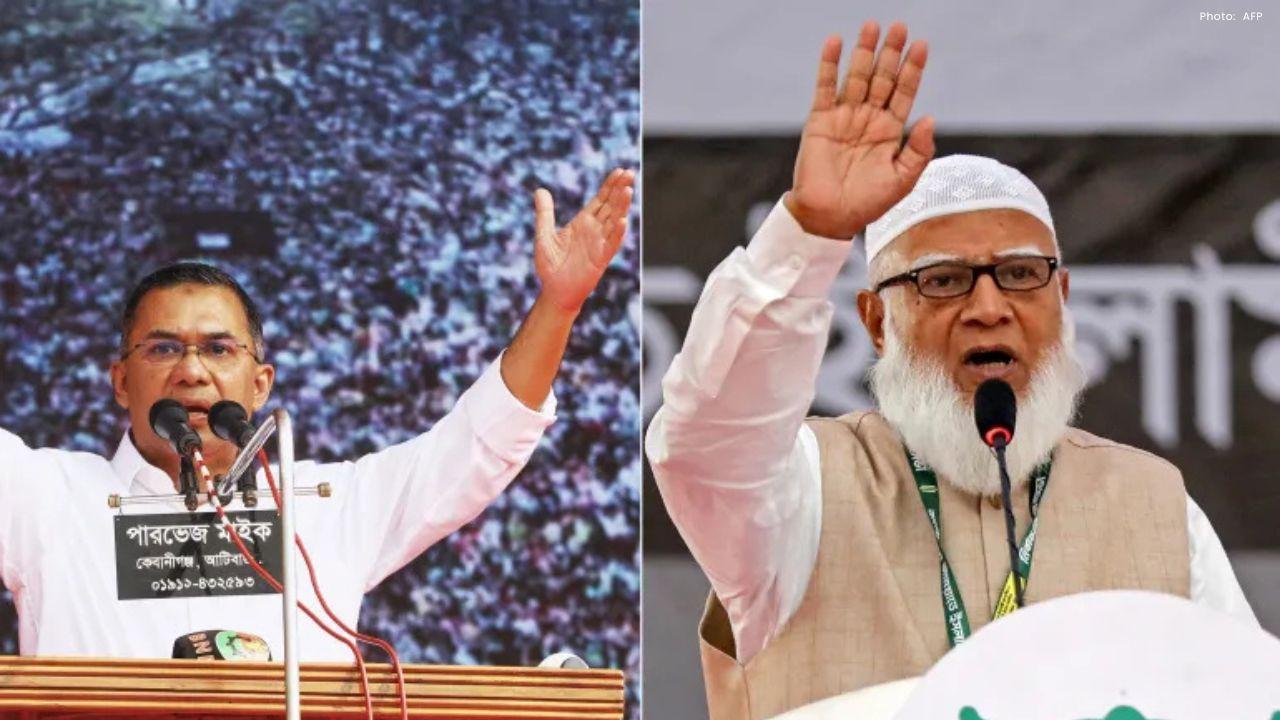
The Bangladesh Nationalist Party, widely known as the BNP, is now seen as one of the strongest contenders. It has a long political history and a nationwide support base. Its leadership says it wants economic recovery, stronger institutions, and a more balanced political system. The party is trying to present itself as ready to govern after years in opposition. Its campaign focuses on cost of living, employment, and restoring confidence in state systems.
Another major force is Jamaat-e-Islami and the alliance built around it. The party has returned to active politics after earlier restrictions and is now working with several smaller partners. Its support comes from organized networks and voters who prefer religion-based political values. At the same time, it remains controversial. Critics worry about how it might handle social freedoms and minority protections if it gains more power. Supporters argue it deserves a fair democratic chance like any other party.
A newer entrant is the National Citizen Party, formed by younger activists linked to protest movements. This group talks about clean governance, anti-corruption reforms, and youth participation in politics. It represents a generational shift and attracts first-time voters and urban supporters. However, new parties often struggle with funding, organization, and nationwide reach. Because of this, it has chosen to work within a broader alliance instead of fighting alone.
Several other parties are also contesting seats, including long-standing smaller groups and regional players. While they may not win a national majority, they can still affect results by splitting votes or acting as coalition partners later. In a tight parliament, even a small bloc can hold real influence.
Beyond party names, the bigger question is trust. After years of political tension, many citizens want an election that is peaceful, fair, and accepted by all sides. Business owners want predictability. Young people want opportunity. Rural voters want price stability and services. Minority communities want safety and equal treatment. Each group is watching not just campaign promises but also the behavior of candidates and supporters.
Security and administration will play a key role. Elections in the past have sometimes been marked by clashes and accusations. A calm voting process would build confidence at home and abroad. A disputed result would do the opposite. That is why election management, observer presence, and transparent counting are just as important as campaign speeches.
Foreign governments are also watching closely. Bangladesh is strategically important in South Asia, both economically and geographically. Its political direction affects trade, regional cooperation, migration, and security ties. A stable and accepted result would strengthen its global standing. Prolonged dispute could create diplomatic strain.
For ordinary voters, the choice may feel both open and confusing. Familiar symbols are missing, alliances are new, and campaign messages often overlap. In such moments, local candidate reputation and ground work often matter more than national slogans. People tend to ask simple questions: Who listens? Who shows up? Who solves problems?
Democracy is not only about who wins. It is also about whether people believe their vote counts. This election gives Bangladesh a chance to prove that competitive politics can function even after major upheaval. The turnout level, the fairness of the process, and the acceptance of the result will together decide how this moment is remembered.
Whatever the outcome, the vote marks a turning point. It signals a shift from one political chapter to another. The real work will begin the day after the results, when promises must turn into policy and rivals must learn to operate within the same national system.






Achieve Radiant Skin with This Simple Rice Flour Treatment
Transform your skincare routine! Discover how a rice flour mix can restore your skin's glow without

Meta Unveils Subscription Plans for Instagram, Facebook, and WhatsApp
Meta introduces new subscription plans for users of Instagram, Facebook, and WhatsApp, featuring enh

Suvarna Joy on Education Leadership, Resilience, and Building Purpose Through Adversity in the UAE
Suvarna Joy shares her journey of education leadership, motherhood, faith, and resilience within the

Anticipated Dates for UAE Eid Al Adha 2026 Unveiled by Astronomical Experts
Experts predict Eid Al Adha 2026 in the UAE to start on May 27, prompting early holiday planning amo

DAE Achieves Remarkable Growth in Q1 2026 With Record Revenue
Dubai Aerospace Enterprise announces impressive financial results for Q1 2026, reflecting a surge in

Price Increase for Sony PS5 in Southeast Asia Effective May 1
Sony announces a price increase for the PS5 across Southeast Asia starting May 1, 2026, impacting ga




