Post by : Saif Nasser
Australia has taken a firm stand on the question of citizens connected to ISIL who are still living in detention camps in Syria. Prime Minister Anthony Albanese said the government will not step in to help relatives of ISIL fighters return home. His statement has renewed debate about national security, legal duty, and the rights of children caught in conflict.
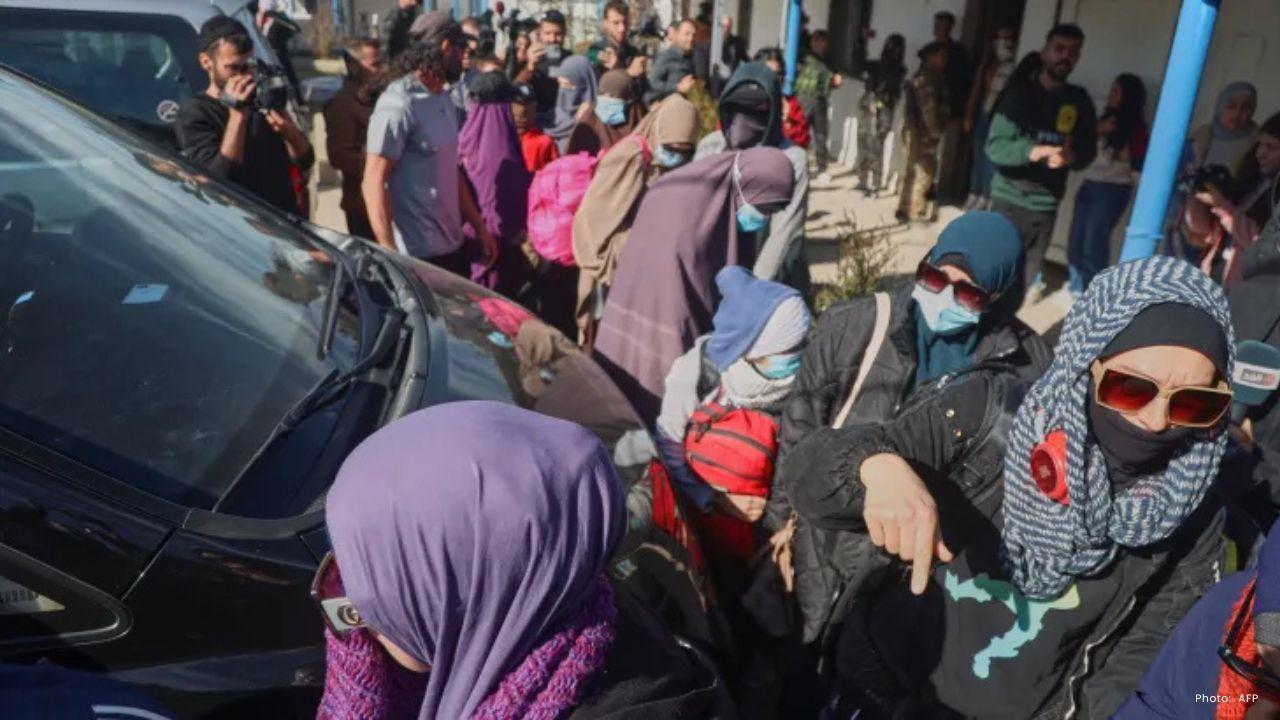
The issue came up after reports that some Australian women and children linked to former ISIL members remain stuck in Syrian camps. These camps are run by local forces and hold thousands of foreign nationals. Many of them are family members of suspected fighters who joined extremist groups during the war years.
The prime minister made it clear that the government’s main duty is to protect the Australian public. He said people who chose to travel to conflict zones and associate with terrorist groups must face the consequences of their decisions. According to the government’s view, special rescue or return operations could create security risks and place heavy pressure on national agencies.
Officials say every return case is complex. It involves background checks, intelligence reviews, legal steps, and long-term monitoring. Security teams must examine each person’s past actions, contacts, and possible threats. This process costs time and resources and can continue for years after a person arrives back in the country.
Australian authorities have previously brought back small groups of women and children from Syrian camps under strict controls. Those operations were limited and carefully managed. The latest statement from the prime minister suggests that similar missions will not be expanded soon.
Supporters of the government’s position say a strict rule is needed to send a clear message against extremism. They argue that if countries easily accept back people linked to terrorist groups, it may weaken global efforts to fight radical networks. They also believe domestic safety must come before international pressure.
Human rights advocates see the matter differently. They warn that many children in these camps had no choice in where they lived or what their parents believed. Some were born there and have never known another home. Aid groups say leaving them in harsh camp conditions may cause long-term harm and increase anger and instability.
Lawyers also point out that citizenship normally brings state responsibility. In their view, suspects should be returned, investigated, and tried under national law where courts and legal protections exist. They say justice works best when it is open and supervised by proper legal systems.
Security experts are divided on what approach works best. Some say refusing repatriation lowers immediate danger. Others argue that crowded detention camps with poor living conditions can become places where anger and radical ideas grow stronger. From that angle, controlled return and rehabilitation might reduce future risk.
The debate is not limited to Australia. Many countries face the same problem with citizens linked to ISIL who remain in foreign camps. Each nation is trying to balance safety, law, and humanitarian duty. There is no simple answer, and every policy choice brings new challenges.
Australia’s message for now is direct and firm: national security will guide decisions, and involvement with extremist groups carries lasting consequences. At the same time, the question of how to deal with innocent children in these camps remains one of the most difficult parts of the issue.








Starbucks Engages Boyu Capital for Major Chinese Expansion
Starbucks teams up with Boyu Capital, selling a majority stake to boost growth and adapt to the Chin

Three Individuals Charged in Massive Meth Trafficking Case in Malaysia
In Malaysia, a married couple and another suspect are charged with trafficking 510kg of meth, facing

Singapore Police Revisit Geylang Murder Scene with Suspect
In Geylang, police return a murder suspect to the scene of a crime involving the fatal stabbing of a

Mattel Revives Masters of the Universe Action Figures Ahead of Film Launch
Mattel is reintroducing Masters of the Universe figures in line with its upcoming film, tapping into

China Executes 11 Members of Criminal Clan Linked to Myanmar Scam
China has executed 11 criminals associated with the Ming family, known for major scams and human tra