
Post by : Shweta
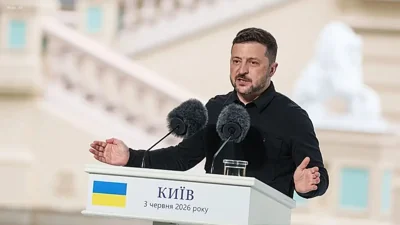
Ukrainian President Volodymyr Zelenskyy has proposed a direct face-to-face meeting with Russian President Vladimir Putin as part of efforts to facilitate discussions aimed at concluding the ongoing war. In an open letter directed at Putin, Zelenskyy emphasized the necessity for direct dialogue, contending that such a personal engagement could pave the way for addressing critical issues and potentially moving towards peace after years of conflict.
This proposal arises as the war continues to inflict severe military, humanitarian, and economic repercussions for Ukraine and the global community. Despite numerous diplomatic endeavors since the onset of the conflict, negotiations have frequently faltered, leading to ongoing combat in several regions of Ukraine.
In his correspondence, Zelenskyy stressed the significance of direct communication between the two nations' leaders. He posited that a face-to-face meeting could provide a platform to tackle the most challenging issues hindering progress towards a peace agreement. The Ukrainian president articulated that genuine dialogue at the highest political levels might aid in alleviating tensions and exploring viable solutions to the persistent conflict.
This proposal reflects Ukraine's ongoing commitment to pursue diplomatic options, in tandem with military and international backing. Ukrainian officials have consistently outlined that any enduring peace agreement must honor the country's sovereignty, territorial integrity, and security needs. Kyiv insists that negotiations should foster a sustainable and just resolution rather than merely a fleeting halt in hostilities.
As of yet, Russia has not conveyed a clear response regarding Putin's willingness to accept the proposal for direct talks. Moscow previously expressed openness to discussions under specified conditions but has also reaffirmed its security and political interests surrounding the conflict. Significant differences remain between both parties on several pivotal issues, complicating potential negotiations.
International leaders have persistently advocated for diplomatic engagement as a means to curtail violence and pursue a peaceful resolution. Governments in Europe, North America, and beyond continue to push for dialogue while carefully monitoring developments in both the battlefield and diplomatic realms.
The ongoing conflict has generated extensive repercussions that extend beyond the borders of Ukraine and Russia. The war has disrupted global energy markets, impacted supply chains, affected food security in various regions, and intensified geopolitical tensions. Consequently, efforts to reignite meaningful peace discussions continue to attract widespread international attention.
Analysts suggest that direct interactions between leaders can occasionally overcome diplomatic impasses that are otherwise difficult to address through lower-level negotiations. Such face-to-face exchanges allow leaders to share their views directly, clarify their positions, and seek potential compromises. However, experts caution that these meetings achieve greater success when they follow substantial groundwork laid through diplomatic channels.
Previous attempts at negotiating an end to the conflict have encountered numerous challenges, including disputes over territories, security guarantees, military withdrawals, and the political future of regions impacted by the conflict. These matters are among the most complex obstacles confronting any potential peace negotiations.
The latest proposal comes at a time when military actions and diplomatic talks remain active. While there have been sporadic communications between representatives from Ukraine and Russia, major breakthroughs have eluded progress in recent years. International mediators and partner nations continue to support efforts aimed at lowering hostilities and encouraging constructive dialogue.
Observers suggest that Zelenskyy's letter could act as both a diplomatic maneuver and a public declaration of Ukraine's willingness to engage in discussions regarding the conflict's future. Whether this proposal will lead to formal negotiations or a meeting between the two leaders remains uncertain.
The reaction from Moscow is anticipated to be closely monitored by governments, international organizations, and security analysts globally. Any signals of renewed diplomatic engagement could affect discussions regarding ceasefires, humanitarian actions, and broader peace initiatives.
For now, this proposal signifies the ongoing pursuit of diplomatic solutions to one of the most pressing international conflicts in recent years. While substantial differences continue to exist, the call for direct dialogue reflects a widely held belief among many leaders that achieving lasting peace will ultimately require negotiations alongside a shared political commitment from both nations.
Stay connected with us for all the latest significant updates and in-depth coverage.




Achieve Radiant Skin with This Simple Rice Flour Treatment
Transform your skincare routine! Discover how a rice flour mix can restore your skin's glow without

Meta Unveils Subscription Plans for Instagram, Facebook, and WhatsApp
Meta introduces new subscription plans for users of Instagram, Facebook, and WhatsApp, featuring enh
Suvarna Joy on Education Leadership, Resilience, and Building Purpose Through Adversity in the UAE
Suvarna Joy shares her journey of education leadership, motherhood, faith, and resilience within the

Anticipated Dates for UAE Eid Al Adha 2026 Unveiled by Astronomical Experts
Experts predict Eid Al Adha 2026 in the UAE to start on May 27, prompting early holiday planning amo

DAE Achieves Remarkable Growth in Q1 2026 With Record Revenue
Dubai Aerospace Enterprise announces impressive financial results for Q1 2026, reflecting a surge in

Price Increase for Sony PS5 in Southeast Asia Effective May 1
Sony announces a price increase for the PS5 across Southeast Asia starting May 1, 2026, impacting ga




