Post by : Saif Nasser
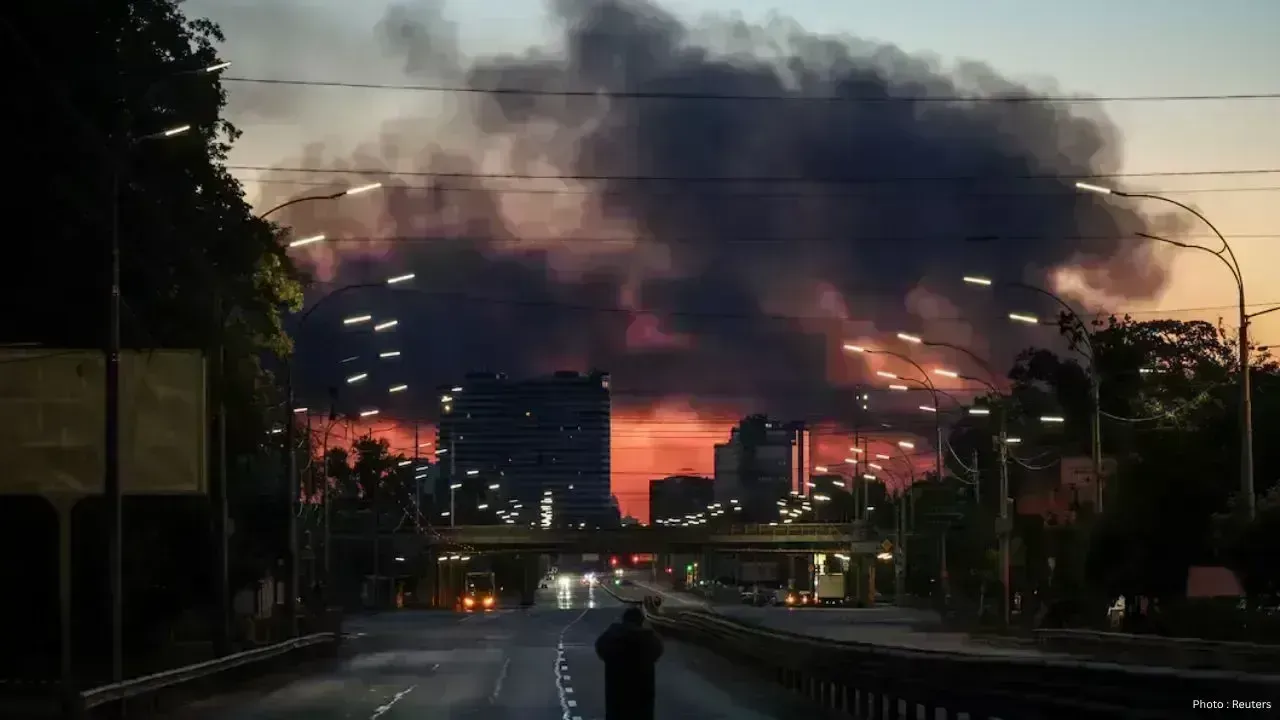
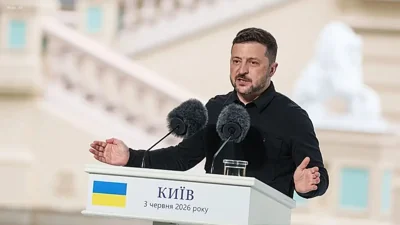
Ukrainian President Volodymyr Zelensky has made a new diplomatic push to end the war by publicly inviting Russian President Vladimir Putin to direct negotiations. In an open letter released after more than four years of conflict, the Ukrainian leader proposed a face-to-face meeting aimed at finding a path toward peace while making it clear that his country would continue defending itself if no agreement is reached.
The letter arrives at a critical moment in the conflict. Fighting continues across multiple fronts, and both nations have paid a heavy price in terms of human lives, economic damage, and social disruption. By calling for direct engagement between the two presidents, Kyiv is attempting to restart meaningful diplomacy at a time when military operations remain active.
According to the proposal, any peace process should begin with a full ceasefire during negotiations. Zelensky argued that diplomacy must start from the front line, where the consequences of the war are most visible. He also suggested setting a clear date for talks and named Switzerland, Turkey, and several Arab countries as possible hosts for a summit between the two leaders.
The message was not only directed at the Kremlin. It was also intended for the international community, including the United States and European partners. The Ukrainian administration believes that outside support remains important, but it has also signaled that direct dialogue between Moscow and Kyiv is necessary if a lasting settlement is to be achieved.
A notable part of the letter focused on conditions inside Russia. Zelensky argued that many Russian citizens have become weary of the conflict due to economic pressures, inflation, fuel shortages, and the continuing impact of military operations. He suggested that public demand for stability and normal life is growing, making this an important moment for negotiations.
The Kremlin confirmed that it had received the communication and stated that Putin would be briefed on its contents. However, there has been no indication that Moscow is prepared to accept the proposal without conditions. Russian officials have continued to maintain positions that differ significantly from those of Kyiv, particularly regarding territory and security arrangements.
This difference remains the biggest obstacle to peace. Russian leadership has repeatedly insisted on terms that Ukraine considers unacceptable, while Kyiv has rejected any arrangement that would compromise its sovereignty or independence. These opposing positions have prevented earlier diplomatic efforts from producing a lasting breakthrough.
Even so, the open letter carries political significance. Public invitations to negotiate place pressure on both sides to demonstrate their willingness to pursue peaceful solutions. Such moves also influence international opinion, as governments and global organizations continue searching for ways to reduce tensions and prevent further escalation.
The impact of the war extends far beyond the battlefield. Millions of people have faced displacement, infrastructure has been damaged, and economic uncertainty has affected regions well beyond Eastern Europe. Energy markets, trade routes, and international security policies have all been influenced by the conflict. As a result, any serious attempt to open dialogue receives close attention from governments around the world.
For ordinary citizens in both countries, the prospect of negotiations offers at least a small possibility of relief. Families separated by the conflict, communities living under constant threat, and businesses struggling with instability all stand to benefit from a reduction in hostilities. A successful diplomatic process could create opportunities for reconstruction, economic recovery, and improved regional security.
At the same time, expectations should remain realistic. Peace talks are often complex and require difficult compromises. Years of fighting have created deep mistrust between the two sides, making any agreement challenging to achieve. Previous efforts have shown that opening negotiations is only the first step in a much longer process.
Zelensky’s letter represents an attempt to shift attention from military confrontation toward political dialogue. Whether the proposal leads to a meeting or remains a symbolic gesture will depend largely on the response from Moscow and the willingness of both governments to explore common ground.
The invitation for direct talks has once again placed diplomacy at the center of international discussion about the Ukraine war. While major disagreements remain unresolved, the proposal highlights the continuing search for a path that could eventually bring an end to one of the most significant conflicts in modern Europe. For now, the world will be watching closely to see whether this opening creates momentum for peace or becomes another missed opportunity in a war that has already lasted far too long.



Achieve Radiant Skin with This Simple Rice Flour Treatment
Transform your skincare routine! Discover how a rice flour mix can restore your skin's glow without

Meta Unveils Subscription Plans for Instagram, Facebook, and WhatsApp
Meta introduces new subscription plans for users of Instagram, Facebook, and WhatsApp, featuring enh
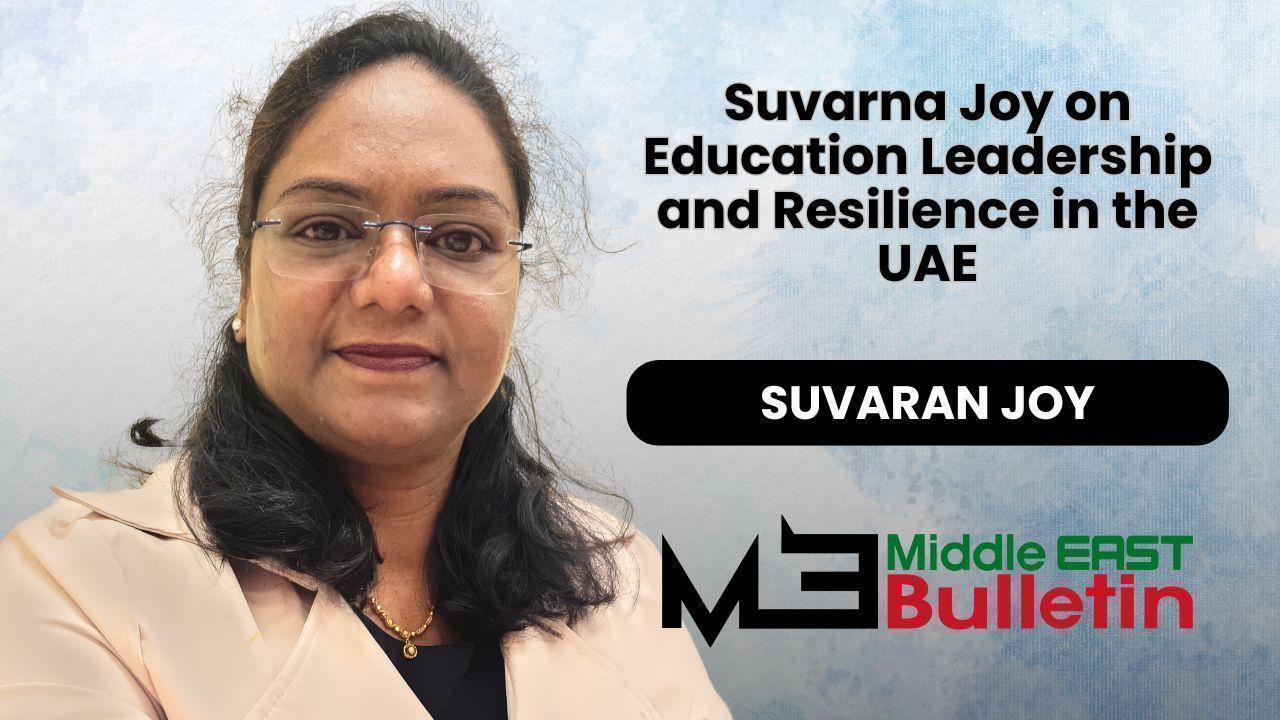
Suvarna Joy on Education Leadership, Resilience, and Building Purpose Through Adversity in the UAE
Suvarna Joy shares her journey of education leadership, motherhood, faith, and resilience within the

Anticipated Dates for UAE Eid Al Adha 2026 Unveiled by Astronomical Experts
Experts predict Eid Al Adha 2026 in the UAE to start on May 27, prompting early holiday planning amo

DAE Achieves Remarkable Growth in Q1 2026 With Record Revenue
Dubai Aerospace Enterprise announces impressive financial results for Q1 2026, reflecting a surge in

Price Increase for Sony PS5 in Southeast Asia Effective May 1
Sony announces a price increase for the PS5 across Southeast Asia starting May 1, 2026, impacting ga




