Post by : Shweta
The World Health Organization (WHO) reports that although the risk of Ebola transmission remains substantial in affected localities, the chance of a broader global outbreak is presently deemed minimal. Authorities are closely monitoring developments as they escalate efforts to contain the virus and prevent additional infections.
The current outbreak has prompted heightened alarm locally, mainly due to the potential for transmission in communities and healthcare systems. Nevertheless, experts emphasize that robust surveillance, border monitoring, and swift response measures have mitigated the risk of extensive international spread for now.
Ebola is a serious viral illness contracted through direct exposure to the bodily fluids of infected individuals or contaminated materials. Symptoms may include fever, fatigue, vomiting, bleeding, and organ failure. Historical outbreaks have underscored how rapidly the virus can disseminate if healthcare infrastructures are overwhelmed or if preventive actions are deferred.
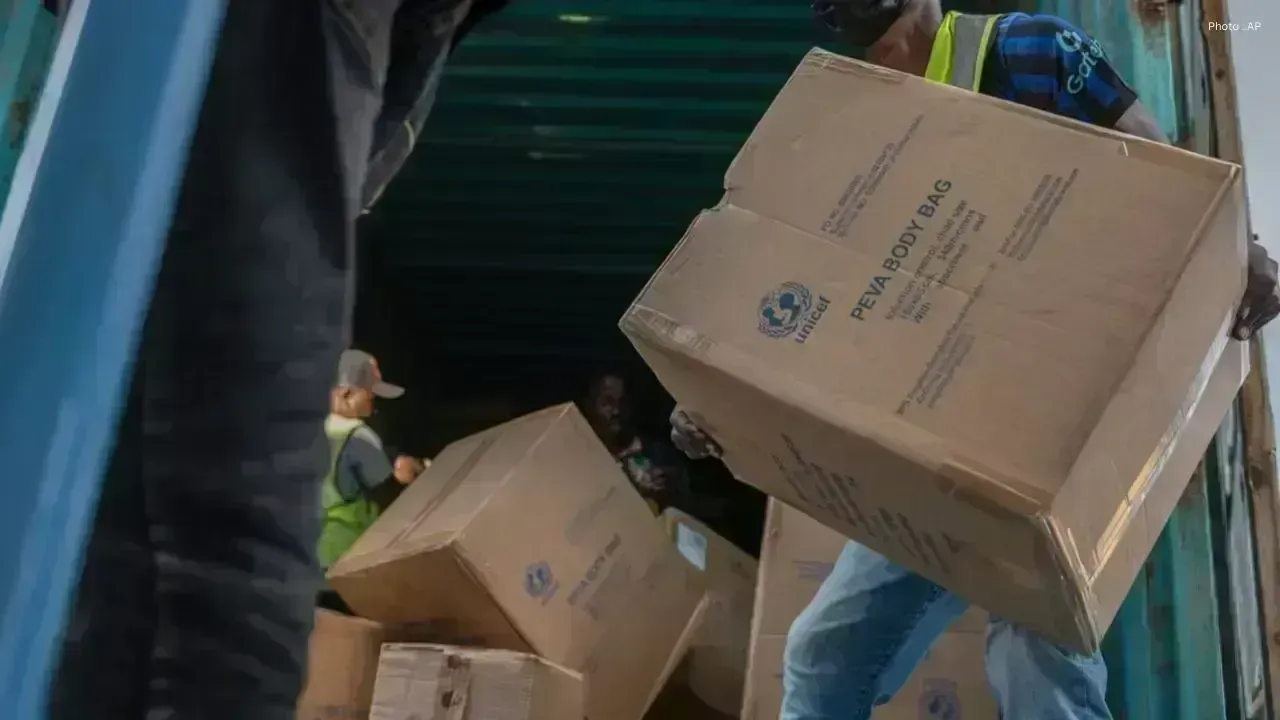
According to WHO officials, local health authorities are collaborating with global organizations to enhance testing, isolate patients, trace contacts, and provide medical treatment in affected areas. Vaccination initiatives and emergency response teams are being mobilized to manage the outbreak effectively and safeguard healthcare personnel and surrounding communities.
The WHO has stressed that while the global risk remains low, countries must persist in their preparedness efforts and monitor travelers from at-risk areas. Experts underline the critical importance of promptly detecting and isolating suspected cases to prevent cross-border contagion.
International collaborations among various governments and health agencies aim to bolster outbreak response measures, including the provision of medical supplies, financial support, laboratory assistance, and urgent healthcare provisions. Public health campaigns are actively working to enhance community awareness to combat misinformation and advocate for early symptom reporting.
Importantly, lessons drawn from earlier Ebola outbreaks and the COVID-19 pandemic have refined global preparedness and response frameworks. Enhanced communication, improved surveillance systems, and coordinated efforts across nations are enabling health authorities to act more swiftly in response to emerging health threats.
Despite reassurances regarding the low global risk, the WHO emphasizes that the situation remains critical in impacted regions and calls for sustained international focus. The organization encourages governments to stay attentive and support containment strategies to avert exacerbation of the outbreak.
Updates from health authorities are anticipated as investigations, treatment, and monitoring initiatives progress over the coming weeks.







Anticipated Dates for UAE Eid Al Adha 2026 Unveiled by Astronomical Experts
Experts predict Eid Al Adha 2026 in the UAE to start on May 27, prompting early holiday planning amo

DAE Achieves Remarkable Growth in Q1 2026 With Record Revenue
Dubai Aerospace Enterprise announces impressive financial results for Q1 2026, reflecting a surge in

Price Increase for Sony PS5 in Southeast Asia Effective May 1
Sony announces a price increase for the PS5 across Southeast Asia starting May 1, 2026, impacting ga

Potential ‘Super El Niño’ in 2026: Understanding the Climate Risks
Could a Super El Niño emerge in 2026? Discover its implications and potential global climate impacts

Global Energy Crisis Intensifies: Markets React to Oil Supply Challenges
Markets are on edge as oil disruptions escalate, influencing prices and economic stability. Explore

Must-See Tourist Spots in London You Can't Overlook
Explore London's essential attractions, from royal landmarks to vibrant markets, ensuring an unforge




