Post by : Saif Nasser
The White House has said that the use of the U.S. military is “always an option” when it comes to Greenland, even as European leaders strongly rejected President Donald Trump’s renewed talk of bringing the world’s largest island under American control. The comments have caused concern across Europe and raised serious questions about NATO unity, international law, and Arctic security.
Trump has spoken about acquiring Greenland since his first term, but his remarks have taken on new weight after recent U.S. military action in Venezuela. The White House now says Greenland is a top national security priority, pointing to rising competition with China and Russia in the Arctic region. According to White House press secretary Karoline Leavitt, the president and his advisers are considering many options to achieve this goal, including military force.
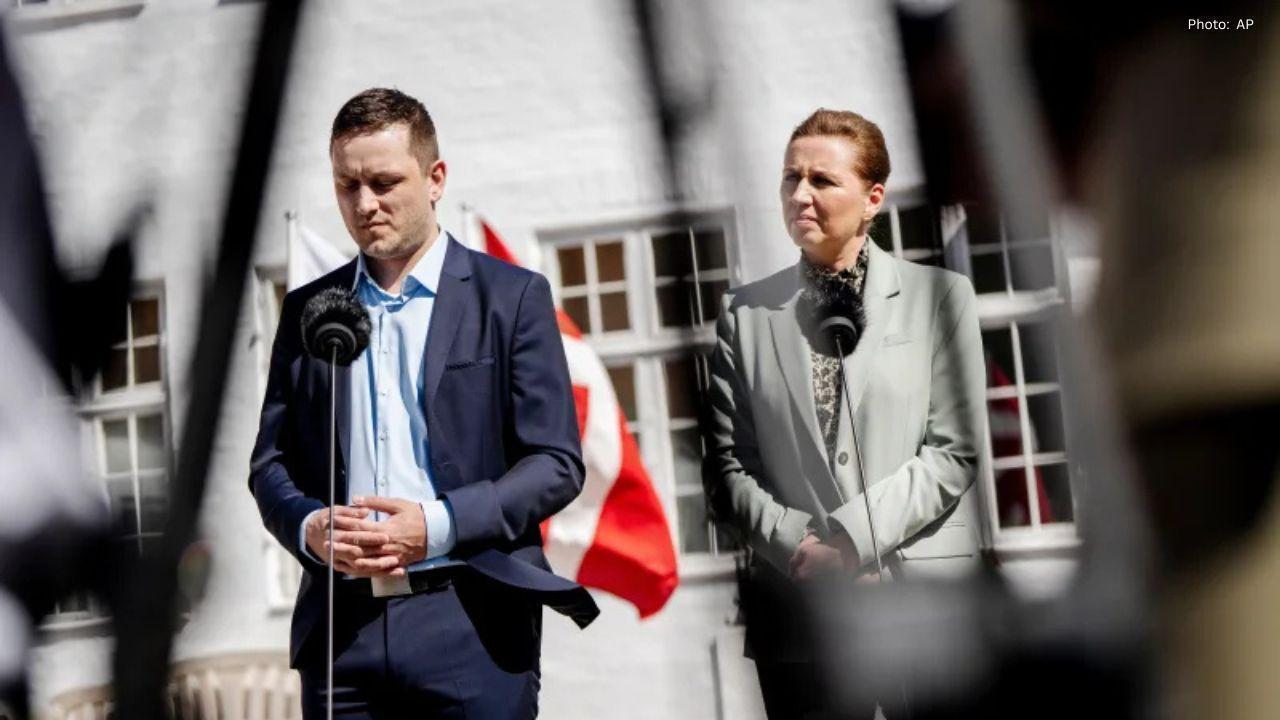
The statement has alarmed U.S. allies, especially Denmark, which governs Greenland as a self-ruling territory. Danish Prime Minister Mette Frederiksen said Trump’s comments must be taken seriously and warned that any military move against Greenland would threaten the very foundation of NATO. Greenland’s Prime Minister Jens-Frederik Nielsen also rejected the idea of a U.S. takeover, while stressing that Greenland still wants strong and respectful cooperation with Washington.
European leaders quickly united behind Denmark and Greenland. Leaders from France, Germany, Italy, Spain, Poland and the United Kingdom issued a joint statement saying Greenland belongs to its people alone. They stressed that decisions about Greenland’s future can only be made by Denmark and Greenland, not by outside powers. Canada also voiced strong support, with Prime Minister Mark Carney saying Greenland’s future must be decided only by its people. Canada later announced a visit to Greenland by its Governor General and foreign minister as a show of solidarity.
The strong language from the White House is notable because other senior U.S. officials had earlier suggested military action was not under consideration. Even Republican House Speaker Mike Johnson said he did not believe using force in Greenland would be appropriate. Still, Trump’s close adviser Stephen Miller insisted that Greenland should be part of the U.S. security system and questioned Denmark’s historical claim over the island, comments that further angered Danish officials.
Trump argues that Greenland is vital for U.S. national security, saying Chinese and Russian activity in the Arctic is growing. Greenland’s location makes it strategically important for missile defense, space monitoring, and control of Arctic sea routes. The U.S. already operates the Pituffik Space Base there under a long-standing defense agreement with Denmark, giving Washington significant military access without owning the territory.
Greenland also has large deposits of rare earth minerals, which are critical for modern technology, renewable energy systems, and defense equipment. It may also hold offshore oil and gas reserves. These resources have increased global interest in the island as climate change opens new Arctic shipping routes.
Tensions increased further after a social media post by the wife of Stephen Miller showed Greenland colored like the U.S. flag with the word “soon.” Trump later told reporters to “talk about Greenland in 20 days,” fueling fears in Denmark that the U.S. was preparing a serious move. Danish leaders described the situation as deeply worrying and said any military threat between NATO allies would be devastating.
Despite the heated rhetoric, Greenland’s prime minister said there is no belief that a takeover would happen overnight. He emphasized the importance of dialogue and cooperation rather than confrontation. U.S. lawmakers from both parties also urged calm, warning that talk of annexation is dangerous and unnecessary since the U.S. already has wide military access to Greenland.
From an editorial perspective, the situation highlights the risks of aggressive language in global politics. Greenland’s strategic value is real, but so are the principles of sovereignty and alliance trust. NATO has long been built on cooperation, not threats among members. Any attempt to pressure an ally through force or fear could weaken the alliance at a time when unity is most needed.
The growing dispute has created anxiety in Europe and uncertainty in the Arctic. While security challenges in the region are increasing, solutions must come through diplomacy and respect for international agreements. Greenland’s future should be shaped by its people, not by power politics. How Washington handles this issue in the coming weeks will test not only U.S. leadership, but also the strength of its alliances.







Mattel Revives Masters of the Universe Action Figures Ahead of Film Launch
Mattel is reintroducing Masters of the Universe figures in line with its upcoming film, tapping into

China Executes 11 Members of Criminal Clan Linked to Myanmar Scam
China has executed 11 criminals associated with the Ming family, known for major scams and human tra
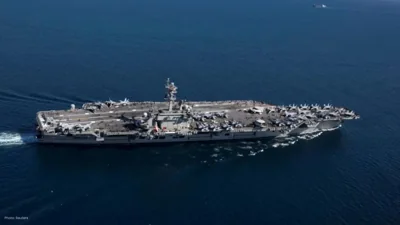
US Issues Alarm to Iran as Military Forces Deploy in Gulf Region
With a significant military presence in the Gulf, Trump urges Iran to negotiate a nuclear deal or fa

Copper Prices Reach Unprecedented Highs Amid Geopolitical Turmoil
Copper prices soar to all-time highs as geopolitical tensions and a weakening dollar boost investor

New Zealand Secures First Win Against India, Triumph by 50 Runs
New Zealand won the 4th T20I against India by 50 runs in Vizag. Despite Dube's impressive 65, India