Post by : Saif Nasser
The conflict in the Middle East is growing more serious with each passing day. What began as targeted military strikes has now spread across several countries, raising fears of a wider war. The situation now involves major global powers and regional nations, including United States, Israel, Iran, and Iraq.
Recent developments show that the conflict is no longer limited to direct attacks between Israel and Iran. It is now affecting nearby regions, especially Iraq, where tensions are rising due to the presence of U.S. forces and Iran-backed groups.
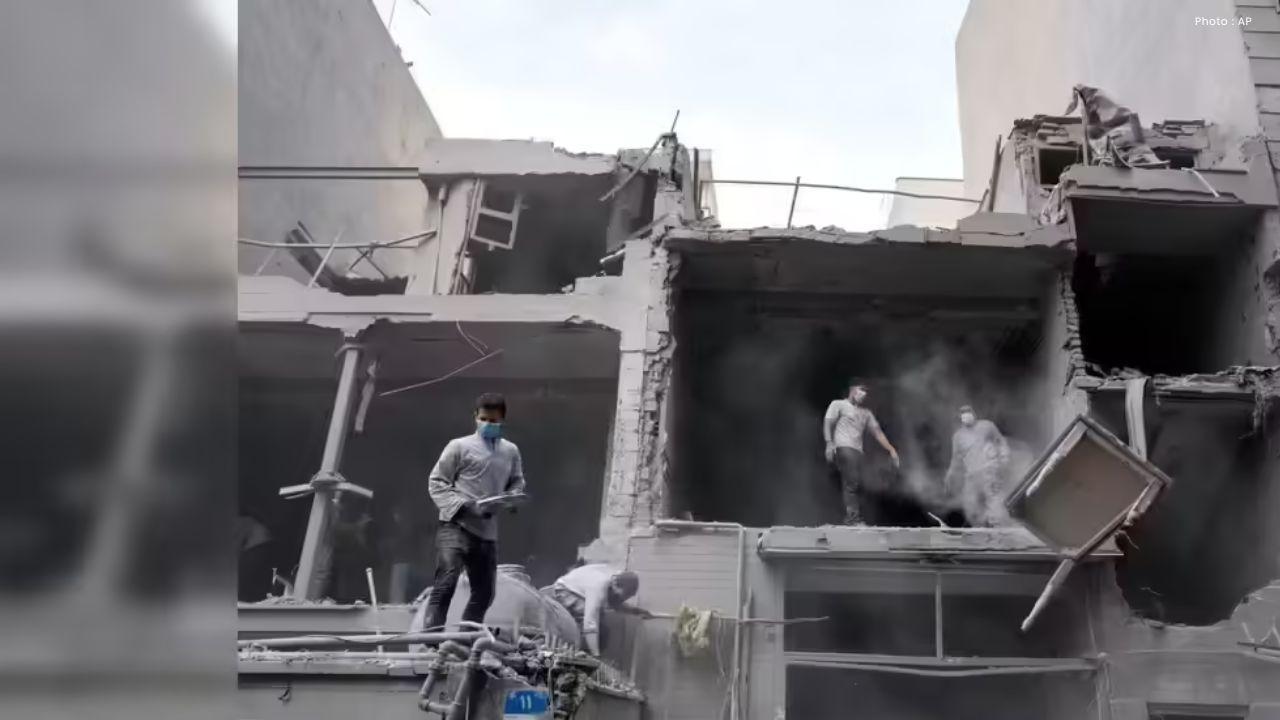
The crisis has its roots in a major escalation that began in late February 2026. At that time, joint strikes by the United States and Israel targeted key Iranian military and leadership positions. These attacks marked a turning point in the region and triggered strong retaliation from Iran.
Since then, the situation has continued to worsen. Iran has launched missile and drone attacks not only on Israel but also on U.S. bases and allied countries in the region. In response, the United States has carried out airstrikes on Iranian targets and Iran-backed militias, including in Iraq.
Iraq has become an important part of this growing conflict. The country hosts U.S. troops and also has strong ties with Iran-backed groups. This makes it a sensitive area where tensions can easily turn into violence. In recent weeks, protests and clashes have taken place near the U.S. Embassy in Baghdad, with demonstrators demanding the removal of American forces.
The risk in Iraq is clear. Any direct clash between U.S. forces and Iran-backed militias could quickly expand the war. This would not only affect Iraq’s stability but also increase tensions across the entire Middle East.
At the same time, Israel has continued its military operations inside Iran. These include strikes on key facilities and high-level targets. Such actions are aimed at weakening Iran’s military strength, but they also increase the chances of further retaliation.
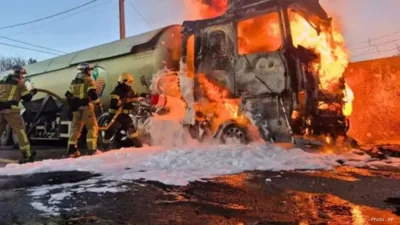
One of the most worrying aspects of the conflict is its impact on energy supplies. The Middle East is a major source of the world’s oil and gas. As attacks target energy infrastructure and shipping routes, global markets are already feeling the pressure.
The Strait of Hormuz is especially important. A large share of the world’s oil passes through this narrow waterway. Any disruption here can lead to sharp increases in oil prices and create problems for countries around the world.
Recent attacks on energy facilities and shipping routes have already caused oil prices to rise significantly. This has raised fears of a global energy crisis if the conflict continues.
Another important factor is the role of leadership and political decisions. Donald Trump has been closely involved in the conflict, guiding U.S. military actions and making key decisions. At the same time, there are reports of differences in strategy between the United States and Israel, especially when it comes to targeting energy infrastructure.
From an editorial point of view, the situation is extremely dangerous. What started as a limited conflict now has the potential to become a full-scale regional war. With multiple countries involved and strong military forces on all sides, the risk of further escalation is very high.
The involvement of Iraq adds another layer of complexity. The country is already dealing with internal challenges, and becoming a battleground for larger powers could worsen its situation.
This crisis also shows how closely connected the modern world is. A conflict in one region can quickly affect global markets, energy supplies, and political stability. Rising oil prices, disrupted trade routes, and growing uncertainty are all signs of this impact.
At this stage, the need for diplomacy is greater than ever. Military action alone cannot bring long-term peace. Dialogue, negotiation, and international cooperation are essential to prevent the situation from getting out of control.
In conclusion, the growing conflict between the United States, Israel, and Iran is no longer limited to one area. It is spreading across the Middle East, with Iraq becoming a key point of tension. The risks are high, and the consequences could be felt around the world. The coming days will be critical in deciding whether the region moves toward further conflict or finds a path to stability.









DAE Achieves Remarkable Growth in Q1 2026 With Record Revenue
Dubai Aerospace Enterprise announces impressive financial results for Q1 2026, reflecting a surge in

Price Increase for Sony PS5 in Southeast Asia Effective May 1
Sony announces a price increase for the PS5 across Southeast Asia starting May 1, 2026, impacting ga

Potential ‘Super El Niño’ in 2026: Understanding the Climate Risks
Could a Super El Niño emerge in 2026? Discover its implications and potential global climate impacts

Global Energy Crisis Intensifies: Markets React to Oil Supply Challenges
Markets are on edge as oil disruptions escalate, influencing prices and economic stability. Explore

Must-See Tourist Spots in London You Can't Overlook
Explore London's essential attractions, from royal landmarks to vibrant markets, ensuring an unforge

Ultimate Guide to Snagging Cheap Flights in 2026
Unlock the secrets to booking affordable flights in 2026 with insightful tips and strategies tailore




