Post by : Saif Nasser
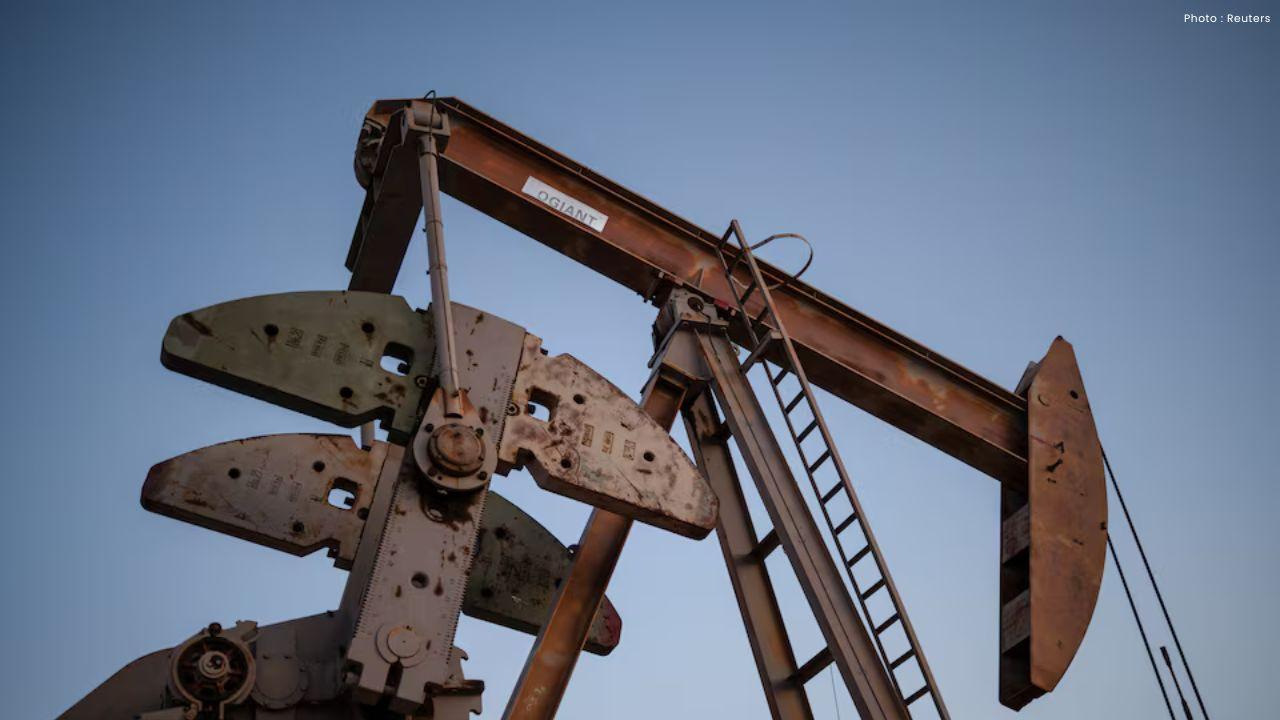
Oil prices across the world have started to fall slightly after strong efforts by the United States and its allies to improve supply and reduce market pressure. This change comes after a period of sharp price increases caused by rising tensions in the Middle East.
The main concern has been the situation around the Strait of Hormuz, one of the most important oil routes in the world. A large share of global oil passes through this narrow waterway every day. When there is any disruption in this area, oil prices quickly rise because supply becomes uncertain.
In recent weeks, the conflict involving Iran has created serious risks for oil transport. Attacks on ships and energy facilities have slowed down supply and made traders nervous. As a result, oil prices had climbed sharply.
However, new actions by global powers have helped calm the situation for now. The United States and several allied countries have increased efforts to protect shipping routes and ensure that oil continues to move safely. These steps have improved confidence in the market, leading to a small drop in prices.
Even with this decline, oil prices remain high compared to normal levels. Reports show that Brent crude is still trading above $100 per barrel, which means the pressure on economies has not fully gone away.
One of the key reasons for the earlier price surge was the fear that supply could be blocked for a long time. At one stage, a significant portion of global oil supply was at risk due to disruptions in the Gulf region. This created panic in the market and pushed prices upward.
To manage this situation, the United States is looking at different options. These include releasing oil from emergency reserves and working with other countries to increase production. Such steps are meant to quickly add more supply to the market and reduce prices.
Countries in Europe and Asia are also playing an important role. Nations like Japan and members of the European Union have supported efforts to keep trade routes open. Their involvement shows that the issue is global and affects many economies, not just those in the Middle East.
Despite these efforts, experts believe the situation is still fragile. Any new attack or sudden escalation in the conflict could once again disrupt supply and push prices higher. This uncertainty is keeping markets on edge.
From an editorial point of view, the recent fall in oil prices should be seen as temporary relief rather than a long-term solution. The core problem—geopolitical tension in a key energy region—has not been resolved.
This situation once again shows how dependent the world still is on oil. Even today, a single conflict in an important region can affect prices everywhere, from fuel stations to food markets.
It also highlights the importance of international cooperation. The quick response by the United States and its allies has helped reduce immediate pressure, but long-term stability will require continued coordination.
At the same time, the crisis raises questions about the future of energy. Many experts argue that countries need to invest more in renewable sources like solar and wind power. Reducing dependence on oil could help avoid such shocks in the future.
For everyday people, the impact of oil prices is direct. When fuel costs rise, transport becomes more expensive, and this often leads to higher prices for goods and services. Even a small drop in oil prices can bring some relief, but stability is what people need most.
In conclusion, oil prices have eased slightly due to strong action by the United States and its partners to secure supply routes and increase availability. While this has helped calm markets, the situation remains uncertain. The world will be watching closely to see if stability continues or if new challenges arise.









Anticipated Dates for UAE Eid Al Adha 2026 Unveiled by Astronomical Experts
Experts predict Eid Al Adha 2026 in the UAE to start on May 27, prompting early holiday planning amo

DAE Achieves Remarkable Growth in Q1 2026 With Record Revenue
Dubai Aerospace Enterprise announces impressive financial results for Q1 2026, reflecting a surge in

Price Increase for Sony PS5 in Southeast Asia Effective May 1
Sony announces a price increase for the PS5 across Southeast Asia starting May 1, 2026, impacting ga

Potential ‘Super El Niño’ in 2026: Understanding the Climate Risks
Could a Super El Niño emerge in 2026? Discover its implications and potential global climate impacts

Global Energy Crisis Intensifies: Markets React to Oil Supply Challenges
Markets are on edge as oil disruptions escalate, influencing prices and economic stability. Explore

Must-See Tourist Spots in London You Can't Overlook
Explore London's essential attractions, from royal landmarks to vibrant markets, ensuring an unforge




