Post by : Sami Jeet
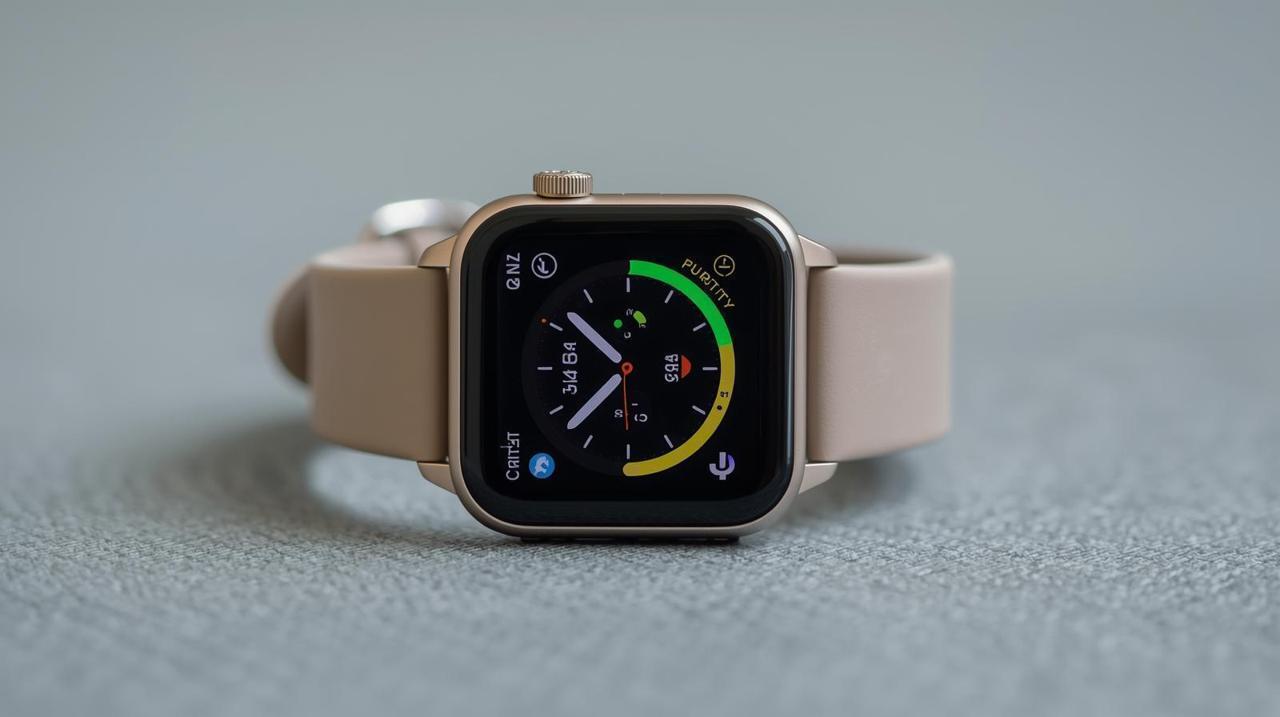
Across health systems worldwide, wearable devices have progressed from consumer gadgets to serious clinical tools that continuously collect physiological data. From smartwatches and rings to dedicated ECG and sleep monitors, these products are reshaping how clinicians and individuals observe health metrics such as heart function, oxygen levels and sleep patterns.
Wearables are no longer novelty items. Improvements in sensor technology, artificial intelligence and real-time analytics have turned them into practical instruments for long-term health observation and risk stratification.
Devices like the Apple Watch, Fitbit, Garmin and the Oura Ring now go beyond step counting, offering features that can flag arrhythmias, estimate blood oxygen saturation, monitor stress markers and model sleep architecture.
Market analysis indicates the global wearable health device market is projected to top $150 billion by 2028, driven by broader adoption of continuous monitoring.
One key benefit is persistent, real-time measurement of vital signs, removing sole dependence on episodic clinical visits.
Typical metrics captured include:
Heart rate (HR) and heart rate variability (HRV)
Daily activity and energy expenditure
Blood oxygen saturation (SpO2)
Sleep duration and quality
Peripheral skin temperature
Electrocardiogram (ECG)
Such continuous feedback lets users and clinicians make prompt, evidence-based adjustments to activity, medication or lifestyle.
Wearables are increasingly used as early detection tools for conditions that benefit from timely intervention.
Examples include:
The Apple Watch ECG has helped identify atrial fibrillation in many individuals, prompting medical follow-up.
Products such as the Fitbit Sense and Withings ScanWatch offer indicators for stress, fatigue and respiratory irregularities.
Ongoing monitoring of oxygenation and cardiac signals supports management of asthma, COPD and sleep-disordered breathing.
Detecting subtle physiological deviations early can reduce acute events and lower hospital utilisation.
Wearables function as behaviour-modification platforms, delivering nudges, goals and feedback that increase adherence to healthy routines.
Research indicates users of wearable devices are more likely to achieve daily activity targets, improve diet and prioritise restorative sleep, supported by immediate data-driven encouragement.
Common habit improvements encouraged by wearables include:
Regular hourly movement
Prioritising 7–8 hours of quality sleep
Meeting step or workout objectives
Engaging in mindfulness and stress reduction practices
AI is central to converting raw sensor streams into personalised health guidance. Machine learning models identify patterns—such as optimal activity windows, stress triggers or the interplay between diet and sleep—that inform individualised recommendations.
Platforms like WHOOP and Oura apply AI to guide recovery and performance planning, while clinical applications use predictive analytics to flag emerging risks from long-term trends.
Health systems are increasingly integrating wearable data into telemedicine and electronic health records, enabling providers to monitor recovery, chronic diseases and remote patients with richer longitudinal context.
Key clinical uses include:
Monitoring post-operative recovery
Managing chronic conditions such as diabetes and hypertension
Supporting remote patient supervision
Access to continuous device-generated data allows clinicians to offer more dynamic, evidence-based care plans.
Modern wearables assess markers related to mental well-being—like electrodermal activity (EDA) and sleep variability—and provide guided breathing and mindfulness exercises to mitigate stress.
Over time, aggregated data help users and clinicians identify recurring stressors and evaluate the effectiveness of coping strategies.
Next-generation wearables will expand beyond wrist devices to include:
Smart textiles that monitor cardiac and posture metrics
Non-invasive glucose monitoring for diabetes management
Implantable sensors for continuous organ surveillance
Advanced predictive analytics to anticipate health deterioration
With broader 5G and IoT deployment, wearables will deliver higher-fidelity, low-latency data streams, strengthening their clinical utility and accessibility.
The proliferation of sensitive health data raises important privacy and security questions. Ensuring robust encryption, clear consent practices and compliance with relevant regulations is essential to maintain public trust.
Users and institutions should prioritise vendors with transparent data governance and, where applicable, HIPAA-aligned data handling procedures.
Wearable health technology is shifting care from episodic interventions to continuous, data-informed management. By enabling earlier detection, personalised recommendations and tighter integration with clinical workflows, wearables are redefining how populations and healthcare systems approach prevention and chronic care.
In summary: the future of health monitoring is increasingly distributed, continuous and anchored in everyday devices.









Anticipated Dates for UAE Eid Al Adha 2026 Unveiled by Astronomical Experts
Experts predict Eid Al Adha 2026 in the UAE to start on May 27, prompting early holiday planning amo

DAE Achieves Remarkable Growth in Q1 2026 With Record Revenue
Dubai Aerospace Enterprise announces impressive financial results for Q1 2026, reflecting a surge in

Price Increase for Sony PS5 in Southeast Asia Effective May 1
Sony announces a price increase for the PS5 across Southeast Asia starting May 1, 2026, impacting ga

Potential ‘Super El Niño’ in 2026: Understanding the Climate Risks
Could a Super El Niño emerge in 2026? Discover its implications and potential global climate impacts

Global Energy Crisis Intensifies: Markets React to Oil Supply Challenges
Markets are on edge as oil disruptions escalate, influencing prices and economic stability. Explore

Must-See Tourist Spots in London You Can't Overlook
Explore London's essential attractions, from royal landmarks to vibrant markets, ensuring an unforge




