Post by : Saif Nasser
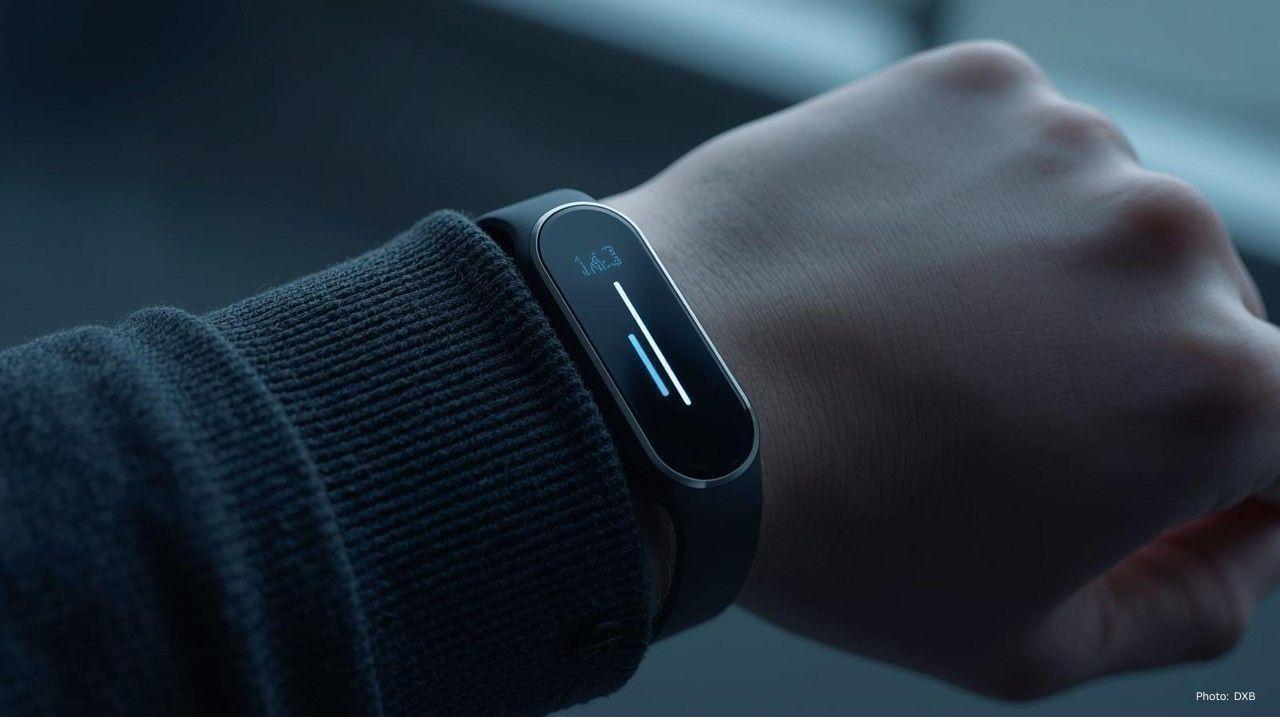
Today, technology is changing how people take care of their health. Wearable devices like smartwatches and fitness bands are not just for counting steps. They are helping people watch their health, stay fit, and even find health problems early. It feels like everyone now has their own doctor on the wrist.
How Wearables Became Smart
At first, wearable devices only counted steps. Now, they can track heart rate, blood oxygen, sleep, stress, and alert users about unusual heartbeats. Companies like Apple, Fitbit, Garmin, and Samsung have devices with smart sensors. These devices give real-time health information, making it easier to manage health from home.
How Wearables Help Your Health
Find Problems Early
Wearables can notice unusual heartbeats, oxygen levels, or other health signals. Sometimes, they warn users before sickness shows, which helps prevent serious problems.
Show Health Data in Real Time
Unlike yearly checkups, these devices work all the time. Users can watch changes in their body and make quick lifestyle improvements.
Check Stress and Mental Health
Wearables can measure stress by checking heart rate changes and skin temperature. Many devices also have apps to help users relax and stay calm.
Track Sleep
Good sleep is important for energy, mood, and health. Wearables track light, deep, and REM sleep and give tips to sleep better.
Motivate Fitness
Wearables act like personal trainers. They set daily goals, remind users to move, and celebrate achievements. This helps people exercise regularly and stay healthy.
The Future of Wearables
Wearables are becoming smarter with AI technology. They may soon predict health issues like heart problems or diabetes before they happen.
Some future features may include:
Smart patches to measure sugar without needles.
AI advice for diet and exercise based on your body.
Remote doctor checkups using wearable data.
These changes will help people prevent sickness instead of waiting to treat it.
Things to Remember
Wearables are helpful but cannot replace real doctors. Challenges include:
Privacy: Health data must be safe.
Accuracy: Some devices may give wrong readings.
Overuse: People may misunderstand results without a doctor.
Even with these limits, wearable devices are improving and becoming very useful for everyday health.









Anticipated Dates for UAE Eid Al Adha 2026 Unveiled by Astronomical Experts
Experts predict Eid Al Adha 2026 in the UAE to start on May 27, prompting early holiday planning amo

DAE Achieves Remarkable Growth in Q1 2026 With Record Revenue
Dubai Aerospace Enterprise announces impressive financial results for Q1 2026, reflecting a surge in

Price Increase for Sony PS5 in Southeast Asia Effective May 1
Sony announces a price increase for the PS5 across Southeast Asia starting May 1, 2026, impacting ga

Potential ‘Super El Niño’ in 2026: Understanding the Climate Risks
Could a Super El Niño emerge in 2026? Discover its implications and potential global climate impacts

Global Energy Crisis Intensifies: Markets React to Oil Supply Challenges
Markets are on edge as oil disruptions escalate, influencing prices and economic stability. Explore

Must-See Tourist Spots in London You Can't Overlook
Explore London's essential attractions, from royal landmarks to vibrant markets, ensuring an unforge




