Post by : Vansh
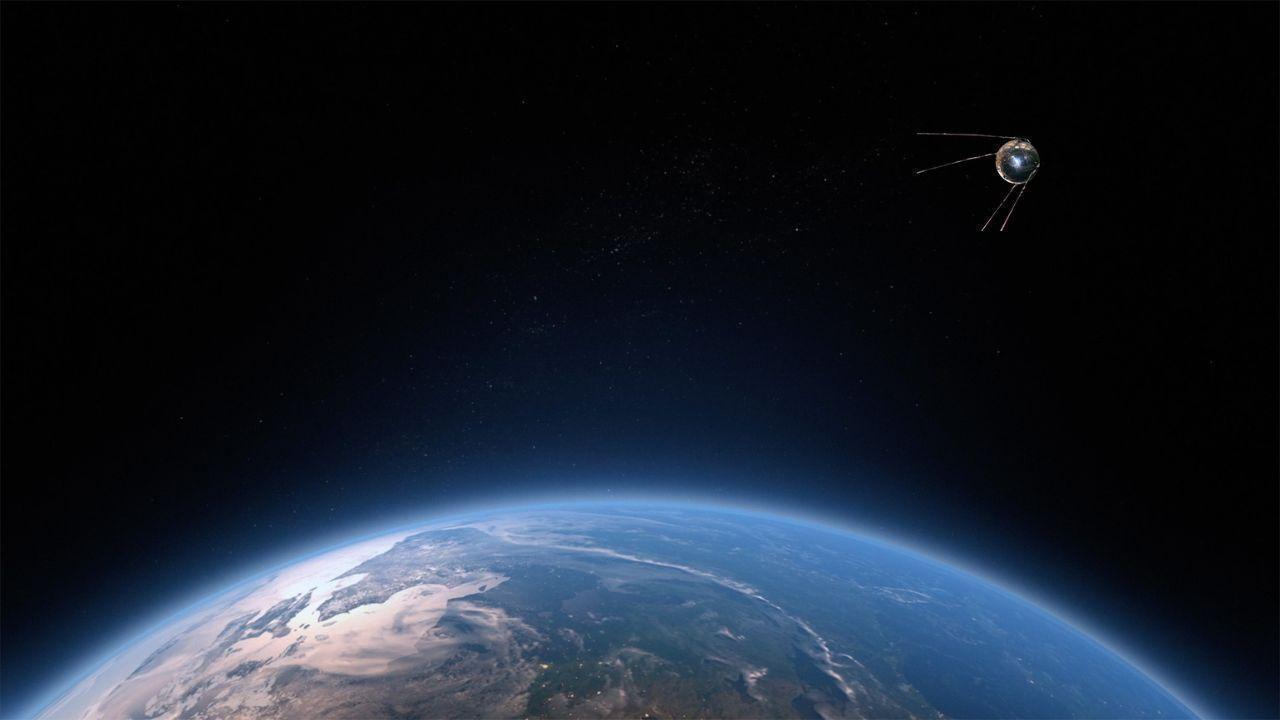
Human curiosity has always pushed us to explore the unknown. The universe, vast and mysterious, has inspired countless generations to venture beyond space, seeking answers to some of life’s most profound questions. From the first telescopes to interplanetary missions, humanity’s voyage to the unknown continues to redefine our understanding of the cosmos and our place within it.
The fascination with the stars dates back thousands of years. Ancient civilizations observed the night sky, mapping celestial movements and forming the foundations of astronomy. Over time, this curiosity evolved into practical exploration. Modern technologies, including satellites, telescopes, and space probes, have allowed humans to study distant planets, stars, and galaxies, taking our knowledge beyond space and into the realm of discovery.
The journey of voyage to the unknown began with significant milestones in human spaceflight. Yuri Gagarin became the first human to orbit Earth, while the Apollo missions achieved humanity’s first steps on the moon. These pioneering endeavors showcased human ingenuity, courage, and the desire to explore beyond space. Today, astronauts aboard the International Space Station continue to conduct experiments that enhance our understanding of science, biology, and physics in microgravity.
Technological innovation is the backbone of any voyage to the unknown. Advanced spacecraft, telescopes, and AI-driven exploration tools enable scientists to study the universe more effectively. Satellites monitor cosmic phenomena, robotic rovers explore planets like Mars, and space telescopes observe distant galaxies. Each technological breakthrough allows humanity to expand knowledge beyond space, making the impossible achievable and inspiring new generations of explorers.
The content of this article is for general informational purposes only and should not be considered professional advice. Readers are encouraged to consult experts before making decisions based on this information. The views expressed are general insights, and MiddleEastBulletin news does not take responsibility for personal interpretations or outcomes resulting from the use of this material.







Anticipated Dates for UAE Eid Al Adha 2026 Unveiled by Astronomical Experts
Experts predict Eid Al Adha 2026 in the UAE to start on May 27, prompting early holiday planning amo

DAE Achieves Remarkable Growth in Q1 2026 With Record Revenue
Dubai Aerospace Enterprise announces impressive financial results for Q1 2026, reflecting a surge in

Price Increase for Sony PS5 in Southeast Asia Effective May 1
Sony announces a price increase for the PS5 across Southeast Asia starting May 1, 2026, impacting ga

Potential ‘Super El Niño’ in 2026: Understanding the Climate Risks
Could a Super El Niño emerge in 2026? Discover its implications and potential global climate impacts

Global Energy Crisis Intensifies: Markets React to Oil Supply Challenges
Markets are on edge as oil disruptions escalate, influencing prices and economic stability. Explore

Must-See Tourist Spots in London You Can't Overlook
Explore London's essential attractions, from royal landmarks to vibrant markets, ensuring an unforge




