Post by : Saif Nasser
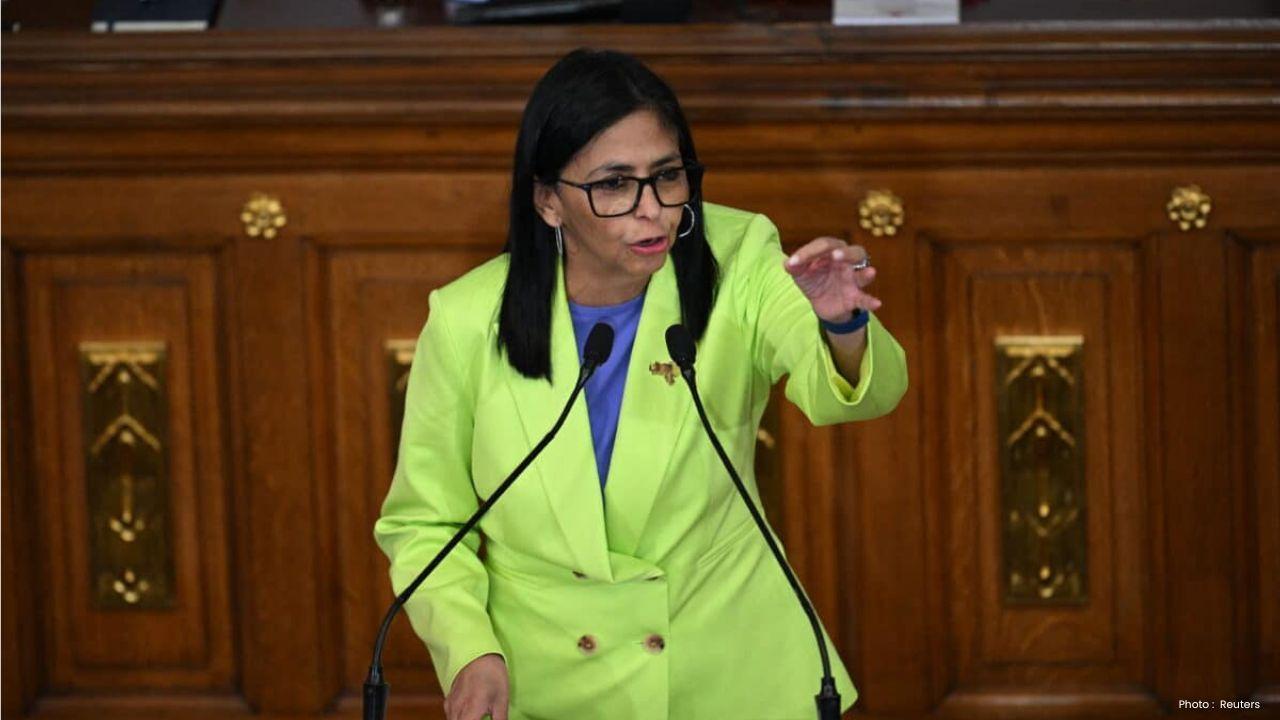
Venezuela has entered a new and uncertain chapter as its interim president, Delcy Rodriguez, proposed major changes to the country’s oil laws in an effort to attract foreign investment and revive its struggling energy sector. The proposal comes at a time of deep political change, following the removal of former President Nicolas Maduro by U.S. forces and growing American influence over Venezuela’s oil revenues.
In her first annual address to the National Assembly, Rodriguez said she would submit a proposal to reform Venezuela’s long-standing hydrocarbon law. Her goal, she explained, is to allow new investment to flow into oil fields that have never been developed or that lack basic infrastructure. Venezuela holds some of the world’s largest oil reserves, yet years of mismanagement, sanctions, and political conflict have left production far below its potential.
Under current law, foreign companies can only operate in partnership with the state-owned oil company PDVSA, which must hold a majority stake in all projects. Investors, especially from the United States, have long complained that this rule limits efficiency and discourages fresh capital. Rodriguez did not explain exactly how the law would be changed, but her remarks suggest greater flexibility for foreign partners.
The push for reform comes as the United States tightens its grip on Venezuela’s oil sector. Washington says around 500 million dollars has already been earned from Venezuelan oil sales under a new deal, with the money held in U.S.-controlled bank accounts. An industry source said the main account is based in Qatar. The Trump administration has also announced a massive reconstruction plan for Venezuela, estimated at 100 billion dollars, signaling its intention to play a long-term role in the country’s energy future.
Rodriguez said oil revenues would be directed toward workers and public services, a message aimed at easing public concern and building trust. Many Venezuelans have suffered for years from economic collapse, shortages of food and medicine, and poor public services, despite the country’s vast natural wealth.
Rodriguez took office just ten days ago after the dramatic arrest of Maduro and his wife, who were flown to the United States to face drug-related charges. Maduro denies the accusations. Since then, Rodriguez has tried to present herself as a stabilizing figure, calling for diplomacy with Washington and a calmer political tone. She said that if she ever needed to go to the United States, she would do so willingly and with dignity.
Her speech also came amid continued pressure from the United States. Just hours earlier, U.S. authorities seized a sixth oil tanker linked to Venezuela, part of a broader campaign that helped force Maduro from power. President Donald Trump has since said the United States plans to control Venezuela’s oil resources indefinitely, a statement that has raised serious concerns about sovereignty both inside and outside the country.
At the same time, opposition leader Maria Corina Machado was in Washington meeting Trump at the White House. While Trump praised Rodriguez as cooperative and capable, his administration said it does not see Machado as a realistic alternative leader. U.S. officials also said there is no clear timeline for holding elections in Venezuela, adding to uncertainty about the country’s democratic future.
Machado, however, warned that political repression has not eased under Rodriguez. She told U.S. lawmakers that arrests and restrictions continue and that fewer political prisoners have been released than authorities claim. Human rights groups inside Venezuela have echoed these concerns.
Rodriguez’s proposal to reform the oil law is being closely watched both at home and abroad. For investors, it could signal a more open and practical approach to rebuilding Venezuela’s oil industry. For ordinary Venezuelans, it raises hopes that oil wealth might finally be used to improve daily life. Yet it also brings fears that foreign control, especially by the United States, could deepen and limit Venezuela’s independence.
Venezuela now stands at a crossroads. Oil reform could help revive the economy and bring much-needed investment, but only if it is handled transparently and fairly. Without clear plans for elections and strong protections for national interests, the country risks trading one form of control for another.
As Delcy Rodriguez speaks of a new political path for 2026, the world will be watching to see whether these promises lead to real recovery—or whether Venezuela’s oil wealth will continue to fuel conflict and foreign influence instead of national renewal.





The Impact of Consistent Small Investments on Wealth Building
Discover how investing small amounts regularly can positively transform your financial future over t

7.5 Magnitude Earthquake Strikes Japan, Tsunami Alerts Issued
Japan experiences a hefty 7.5 quake, prompting tsunami alerts and safety measures. Stay updated on a
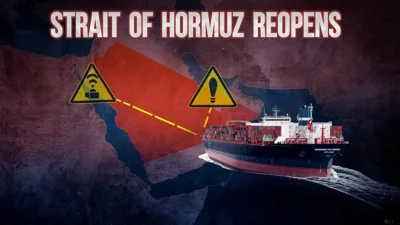
Reopening of the Strait of Hormuz: New Regulations to Impact Global Trade
Iran reopens the strategic Strait of Hormuz with new regulations affecting oil transport and global

Top 10 Must-See Attractions in NYC for First-Time Explorers
Discover essential experiences for first-time visitors to NYC, including attractions, culture, and i

Starbucks Engages Boyu Capital for Major Chinese Expansion
Starbucks teams up with Boyu Capital, selling a majority stake to boost growth and adapt to the Chin
Three Individuals Charged in Massive Meth Trafficking Case in Malaysia
In Malaysia, a married couple and another suspect are charged with trafficking 510kg of meth, facing