Post by : Saif Nasser
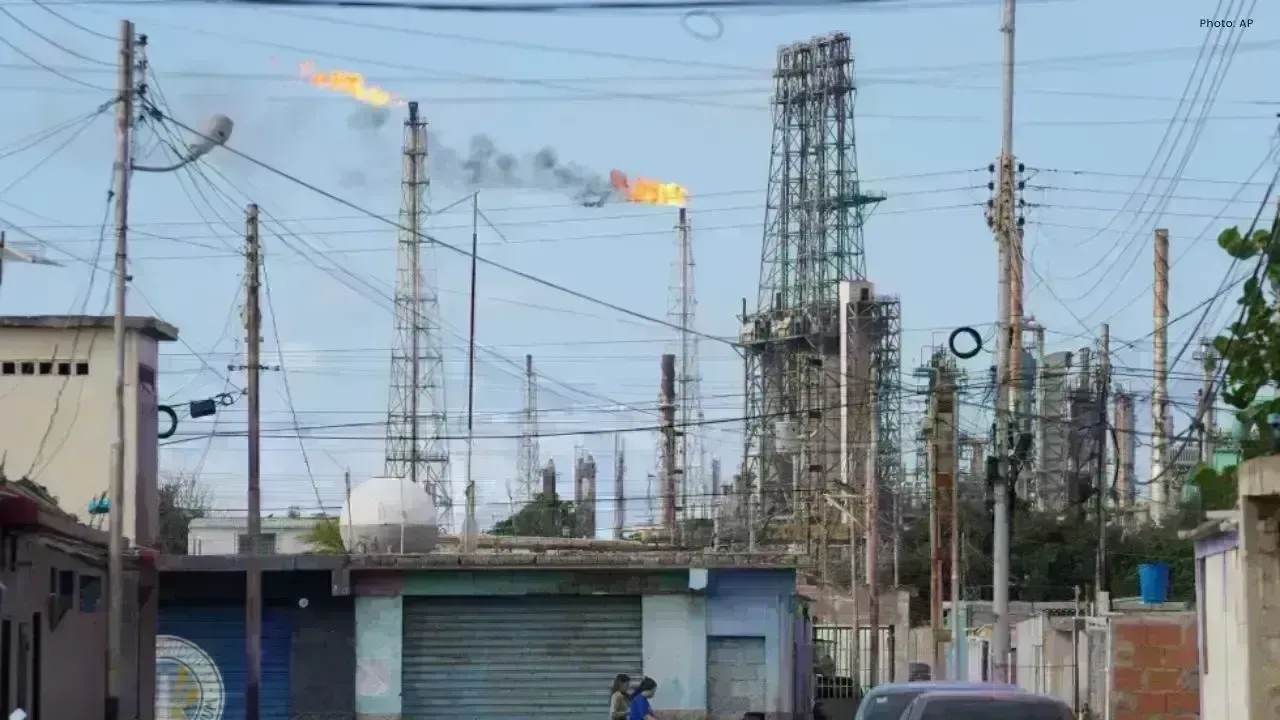
Venezuela has taken a major step toward changing how its oil industry works. On Thursday, the country’s National Assembly began debating a new bill that could reduce state control over oil production and invite private and foreign companies to invest.
This is the first large overhaul of Venezuela’s oil sector since 2007, when former President Hugo Chávez nationalized much of the industry. The proposed law marks a clear shift away from the strict state-led system that has shaped Venezuela’s economy for nearly two decades.
If approved, the bill would allow private companies to operate oil fields, sell crude oil directly, and earn revenue through contracts with the state oil company, Petróleos de Venezuela. It would also let companies settle disputes through international arbitration instead of relying only on Venezuelan courts.
The changes come at a sensitive political moment. Earlier this month, former President Nicolás Maduro was captured by U.S. forces, leading to a new power struggle in the country. The Trump administration has since increased pressure on Venezuela’s acting president, Delcy Rodríguez, to open the oil sector to U.S. energy companies.
Supporters of the bill say Venezuela must act quickly to revive oil production, which has fallen sharply over the years due to mismanagement, sanctions, and lack of investment. National Assembly President Jorge Rodríguez told lawmakers that the goal is to increase oil output as fast as possible.
“Oil under the ground is useless,” he said, stressing that Venezuela needs production, not just reserves.
The bill also offers financial incentives to attract investors. It would allow the government to cut oil royalties from 30% to as low as 15% and reduce extraction taxes. These changes are meant to make risky and underdeveloped oil fields more attractive to companies.
Business leaders backing the proposal say the legal protections are key. Orlando Camacho, a lawmaker and head of the Fedeindustria business group, called the bill a bold move that ensures oil remains central to Venezuela’s development.
However, many investors remain cautious. In the past, foreign companies lost billions when Chávez nationalized oil assets. Some firms, including Exxon, are still seeking compensation for those losses.
Political uncertainty is another concern. There is no clear timeline for new democratic elections, and it remains unclear when or if the United States will lift economic sanctions imposed during Trump’s first term. These sanctions continue to complicate business operations in Venezuela.
Despite these risks, the government appears determined to move forward. After two hours of debate, lawmakers gave the bill initial approval and sent it for a second round of discussion.
If passed, the law could reshape Venezuela’s oil industry and its economic future. Whether it succeeds in bringing back investment and restoring production will depend on trust, stability, and the government’s willingness to follow through on its promises.






7.5 Magnitude Earthquake Strikes Japan, Tsunami Alerts Issued
Japan experiences a hefty 7.5 quake, prompting tsunami alerts and safety measures. Stay updated on a
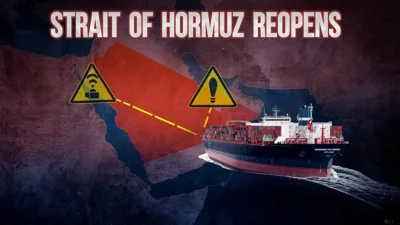
Reopening of the Strait of Hormuz: New Regulations to Impact Global Trade
Iran reopens the strategic Strait of Hormuz with new regulations affecting oil transport and global

Top 10 Must-See Attractions in NYC for First-Time Explorers
Discover essential experiences for first-time visitors to NYC, including attractions, culture, and i

Starbucks Engages Boyu Capital for Major Chinese Expansion
Starbucks teams up with Boyu Capital, selling a majority stake to boost growth and adapt to the Chin

Three Individuals Charged in Massive Meth Trafficking Case in Malaysia
In Malaysia, a married couple and another suspect are charged with trafficking 510kg of meth, facing