Post by : Shweta
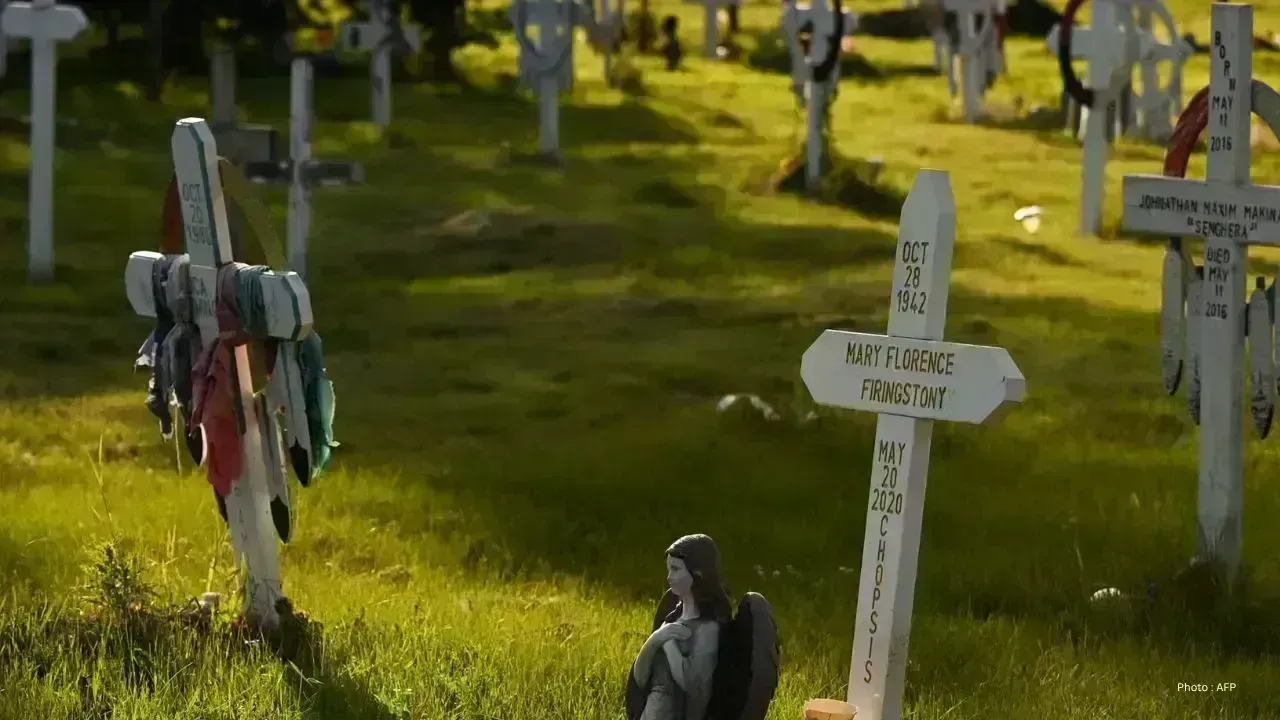
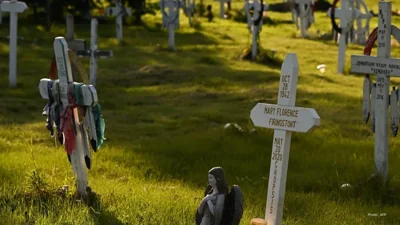
Indigenous survivors of Canada’s residential schools are sounding alarms as a significant collection of abuse testimonies faces imminent destruction. Community leaders express that losing these accounts would severely hinder Canada’s reconciliation efforts in recognizing its colonial history.
The testimonies, gathered from approximately 38,000 individuals detailing their experiences of physical, emotional, and sexual abuse, stem from government-funded and church-operated residential institutions. These establishments were active throughout Canada from the late 19th century until the 1990s, forcibly taking over 150,000 Indigenous youth from their families.
Survivors have recounted extreme punishment, neglect, and cultural oppression, including harsh penalties for speaking their native tongues. The Truth and Reconciliation Commission of Canada later characterized these experiences as “cultural genocide.”
Notably, a 2017 Supreme Court ruling mandated the destruction of these testimonies after ten years to protect the identities of those who shared their narratives as part of a compensation framework.
Survivors are granted until September 19, 2027, to advocate for the preservation of their records. Only the testifiers can initiate this request, which poses a risk of automatic destruction for those who have passed.
Advocates highlight that numerous survivors remain unaware of this looming deadline. Indigenous leaders emphasize that the federal government has fallen short in disseminating crucial information to affected individuals regarding their rights to preserve their testimonies. They warn that losing these records could erase vital accounts of abuse, complicating future understanding of these historical injustices.
Experts assert these documents might hold significant details concerning crimes associated with the residential school regime, and their destruction may conflict with international standards aimed at preserving evidence of human rights violations.
Despite ongoing concerns, government officials assert they must comply with the Supreme Court ruling. They are, however, preparing informational resources to increase awareness of the upcoming deadline, stating that altering the ruling would necessitate further legal measures.
This situation has catalyzed initiatives to safeguard history through alternative means. Journalists, researchers, and Indigenous groups are actively collaborating to create independent archives aimed at documenting and protecting testimonies from survivors before they are lost irretrievably.
For many families, these documents represent more than mere legal proceedings; they encapsulate personal legacies. They provide children and grandchildren with essential insights into the experiences of their ancestors and their lasting impact on their lives.
As the deadline nears, survivors and supporters persist in their demands for decisive actions to ensure that these crucial narratives remain preserved. They argue that maintaining these records is vital for pursuing justice, facilitating healing, and fostering reconciliation efforts in Canada.






7.5 Magnitude Earthquake Strikes Japan, Tsunami Alerts Issued
Japan experiences a hefty 7.5 quake, prompting tsunami alerts and safety measures. Stay updated on a
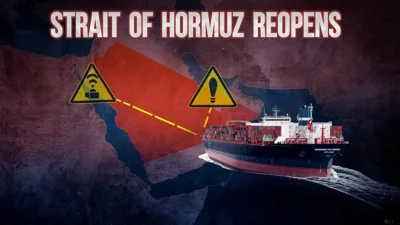
Reopening of the Strait of Hormuz: New Regulations to Impact Global Trade
Iran reopens the strategic Strait of Hormuz with new regulations affecting oil transport and global

Top 10 Must-See Attractions in NYC for First-Time Explorers
Discover essential experiences for first-time visitors to NYC, including attractions, culture, and i

Starbucks Engages Boyu Capital for Major Chinese Expansion
Starbucks teams up with Boyu Capital, selling a majority stake to boost growth and adapt to the Chin
Three Individuals Charged in Massive Meth Trafficking Case in Malaysia
In Malaysia, a married couple and another suspect are charged with trafficking 510kg of meth, facing