Post by : Saif Nasser
The ongoing conflict between the United States and Iran has taken a serious turn, with rising tensions in the Strait of Hormuz threatening global peace and economic stability. Recent developments have not only increased military risks but have also created uncertainty in global markets and diplomacy.
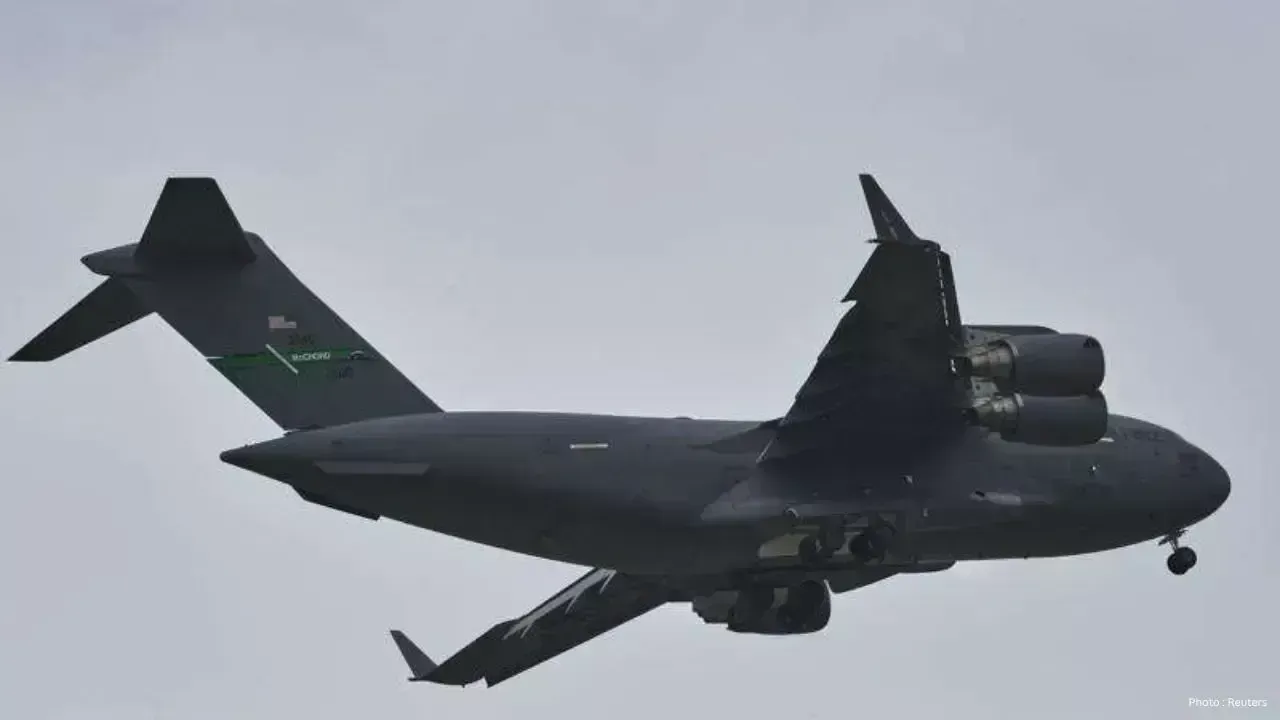
According to recent reports, the United States seized an Iranian cargo ship near the Strait of Hormuz, accusing it of trying to bypass a naval blockade. This action has sharply escalated tensions between the two countries, with Iran calling it a violation and promising a strong response.
The situation has become more complex as both sides prepare for possible negotiations while also exchanging threats. Talks were expected to take place in Pakistan, but Iran has not confirmed its participation. This uncertainty has weakened hopes for a peaceful solution.
The Strait of Hormuz remains at the center of the crisis. This narrow waterway is one of the most important routes for global oil transport, with nearly 20% of the world’s oil passing through it. Any disruption in this area can have immediate effects on global energy supply and prices.
Recent tensions have already affected shipping in the region. Reports suggest that tanker movement has been restricted, and some vessels have been unable to pass through safely. This has led to a sharp rise in oil prices, increasing pressure on countries that depend on imports.
The conflict itself began earlier this year after joint military actions by the United States and Israel against Iran. Since then, the situation has escalated with missile strikes, drone attacks, and naval confrontations. Thousands of people have lost their lives across the region, and many more have been affected by the ongoing violence.
A fragile ceasefire is currently in place, but it is expected to expire soon. If no agreement is reached, there is a strong possibility that fighting could increase again. This makes the coming days very important for both diplomacy and global stability.
The crisis has also had a major impact on the global economy. Rising oil prices have increased fuel costs, affecting transportation, industries, and daily life. Financial markets have shown signs of stress, as investors react to uncertainty and risk.
Experts warn that even if a ceasefire is extended, it may take time for the situation to return to normal. Shipping routes, oil supply chains, and international relations have already been disrupted, and recovery could take months.
The role of global diplomacy is now more important than ever. Countries around the world are closely watching the situation and encouraging both sides to return to talks. A peaceful solution is the only way to prevent further loss of life and economic damage.
The ongoing crisis in the Strait of Hormuz shows how deeply connected the world has become. A conflict in one region can quickly affect economies, markets, and people across the globe.
The situation remains tense, with no clear outcome yet. The decisions made by both the United States and Iran in the coming days will play a crucial role in shaping the future of the region and its impact on the world.








Achieve Radiant Skin with This Simple Rice Flour Treatment
Transform your skincare routine! Discover how a rice flour mix can restore your skin's glow without

Meta Unveils Subscription Plans for Instagram, Facebook, and WhatsApp
Meta introduces new subscription plans for users of Instagram, Facebook, and WhatsApp, featuring enh

Suvarna Joy on Education Leadership, Resilience, and Building Purpose Through Adversity in the UAE
Suvarna Joy shares her journey of education leadership, motherhood, faith, and resilience within the

Anticipated Dates for UAE Eid Al Adha 2026 Unveiled by Astronomical Experts
Experts predict Eid Al Adha 2026 in the UAE to start on May 27, prompting early holiday planning amo

DAE Achieves Remarkable Growth in Q1 2026 With Record Revenue
Dubai Aerospace Enterprise announces impressive financial results for Q1 2026, reflecting a surge in

Price Increase for Sony PS5 in Southeast Asia Effective May 1
Sony announces a price increase for the PS5 across Southeast Asia starting May 1, 2026, impacting ga




