Post by : Saif Nasser
Fresh diplomatic efforts to ease tensions between United States and Iran are now focused on Pakistan. The country is preparing to host peace talks at a critical time, as the ceasefire between the two sides is close to ending.
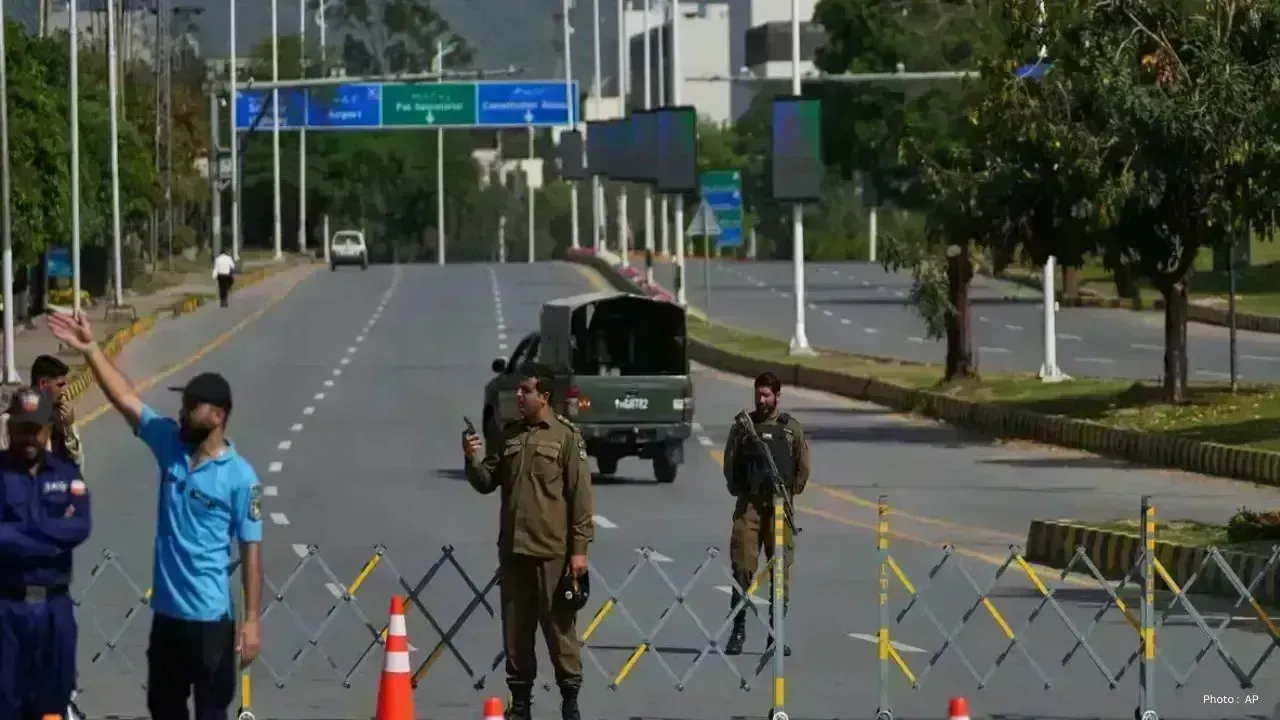
Officials in Islamabad have begun arrangements for the meeting, with security tightened and preparations underway for high-level discussions. The United States has confirmed that its representatives will attend, while Iran has not yet made a final decision about joining the talks.
The situation has become urgent because the current ceasefire is about to expire. This temporary pause in conflict has helped reduce immediate violence, but it has not solved the deeper issues between the two countries. If no agreement is reached, there is a strong chance that tensions could rise again.
One of the biggest challenges in the talks is the lack of trust between United States and Iran. The United States is focused on limiting Iran’s nuclear program, while Iran wants relief from economic sanctions and greater freedom in trade. These opposing demands have made progress slow and difficult.
Recent events have added to the tension. Actions taken during the ceasefire period have raised concerns on both sides, making negotiations more sensitive. Strong statements from leaders have also increased pressure, with warnings about possible military action if talks fail.
The role of Pakistan is important in this situation. As a country that has diplomatic ties with both sides, it is trying to act as a neutral mediator. Hosting the talks gives Pakistan a chance to support peace and stability in the region.
The conflict has also had a global impact. One of the key concerns is the Strait of Hormuz, a major route for oil shipments. Any disruption in this area can affect global energy supply and lead to changes in oil prices. This makes the outcome of the talks important not just for the region but for the world.
For people living in affected areas, the stakes are very high. Continued conflict can lead to loss of life, damage to infrastructure, and economic hardship. Many are hoping that the talks in Islamabad will help reduce tensions and bring some form of lasting peace.
Experts believe that successful talks will require compromise from both sides. Without flexibility, it may be difficult to reach an agreement before the ceasefire deadline. The coming days will be crucial in deciding whether diplomacy can succeed.
As the deadline approaches, attention is focused on whether Iran will join the talks and whether both sides can find common ground. The outcome will play a major role in shaping the future of the region and global stability.








The Impact of Consistent Small Investments on Wealth Building
Discover how investing small amounts regularly can positively transform your financial future over t

7.5 Magnitude Earthquake Strikes Japan, Tsunami Alerts Issued
Japan experiences a hefty 7.5 quake, prompting tsunami alerts and safety measures. Stay updated on a
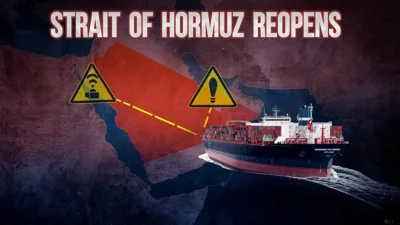
Reopening of the Strait of Hormuz: New Regulations to Impact Global Trade
Iran reopens the strategic Strait of Hormuz with new regulations affecting oil transport and global

Top 10 Must-See Attractions in NYC for First-Time Explorers
Discover essential experiences for first-time visitors to NYC, including attractions, culture, and i

Starbucks Engages Boyu Capital for Major Chinese Expansion
Starbucks teams up with Boyu Capital, selling a majority stake to boost growth and adapt to the Chin

Three Individuals Charged in Massive Meth Trafficking Case in Malaysia
In Malaysia, a married couple and another suspect are charged with trafficking 510kg of meth, facing