Post by : Saif Nasser
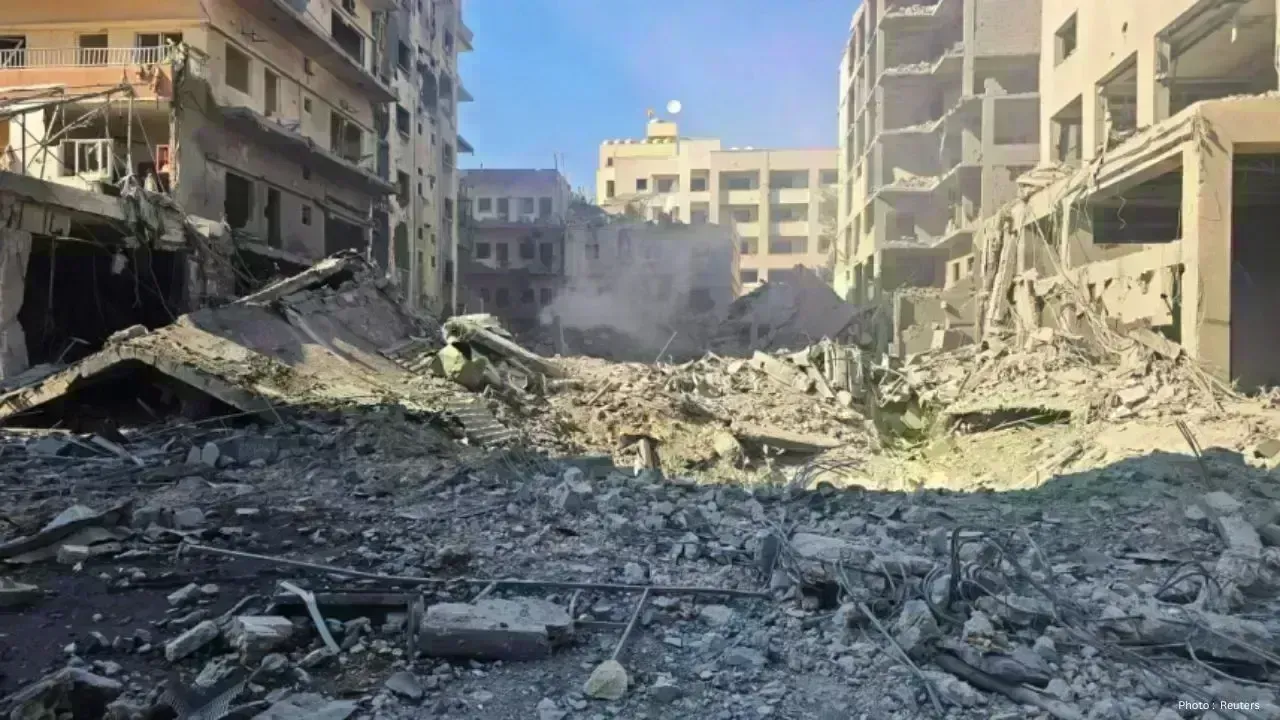
United States and Iran moved closer to direct confrontation after American forces carried out strikes on Iranian military-related sites, prompting a response from Tehran targeting an air base linked to U.S. operations. The exchange has increased concerns across the Middle East and drawn attention from governments around the world that fear a wider regional conflict.
The military action represents one of the most serious developments between the two countries in recent months. Washington stated that the strikes were aimed at military facilities connected to activities that it viewed as a threat to regional security. U.S. officials described the operation as a defensive measure intended to protect personnel and strategic interests.
Iran responded by launching an attack against a military air base associated with American forces. Iranian authorities defended their actions, saying they were reacting to the strikes carried out on their territory. The exchange highlighted the deep tensions that continue to shape relations between the two countries.
For years, disagreements over security, regional influence, and military activity have created friction between Washington and Tehran. Although periods of diplomacy have occasionally reduced tensions, major disputes have remained unresolved. The latest confrontation shows how quickly the situation can escalate when military actions are followed by retaliatory measures.
The impact of these developments extends beyond the two nations directly involved. Countries across the Middle East are closely monitoring the situation because any increase in hostilities could affect regional stability. Neighboring states often face security concerns whenever tensions rise between major powers operating in the region.
Global energy markets are also paying close attention. The Middle East plays a critical role in international oil production and transportation. Any conflict that threatens key shipping routes or energy infrastructure can influence fuel prices and create uncertainty for businesses and consumers worldwide.
Financial markets have reacted cautiously as investors assess the possibility of further escalation. Periods of geopolitical uncertainty often lead to concerns about trade, investment, and economic growth. Businesses operating in the region may also face challenges if instability continues.
From a humanitarian perspective, the risk of a broader conflict remains a serious concern. Military confrontations can affect civilian populations, damage infrastructure, and create long-term economic difficulties. International organizations have repeatedly emphasized the importance of protecting civilians and avoiding actions that could worsen existing tensions.
Diplomatic efforts are expected to continue as global leaders seek ways to prevent further escalation. Many governments have called for restraint and encouraged dialogue between all parties involved. While differences remain significant, diplomacy is widely viewed as the most effective path toward reducing risks and promoting stability.
The latest exchange between the United States and Iran serves as a reminder of the fragile security environment in the Middle East. Military actions and retaliatory responses can quickly increase uncertainty and raise concerns about wider consequences. As the situation develops, the focus will remain on whether diplomatic engagement can help prevent further escalation and support long-term regional stability.








Achieve Radiant Skin with This Simple Rice Flour Treatment
Transform your skincare routine! Discover how a rice flour mix can restore your skin's glow without

Meta Unveils Subscription Plans for Instagram, Facebook, and WhatsApp
Meta introduces new subscription plans for users of Instagram, Facebook, and WhatsApp, featuring enh

Suvarna Joy on Education Leadership, Resilience, and Building Purpose Through Adversity in the UAE
Suvarna Joy shares her journey of education leadership, motherhood, faith, and resilience within the

Anticipated Dates for UAE Eid Al Adha 2026 Unveiled by Astronomical Experts
Experts predict Eid Al Adha 2026 in the UAE to start on May 27, prompting early holiday planning amo

DAE Achieves Remarkable Growth in Q1 2026 With Record Revenue
Dubai Aerospace Enterprise announces impressive financial results for Q1 2026, reflecting a surge in

Price Increase for Sony PS5 in Southeast Asia Effective May 1
Sony announces a price increase for the PS5 across Southeast Asia starting May 1, 2026, impacting ga




