Post by : Saif Nasser
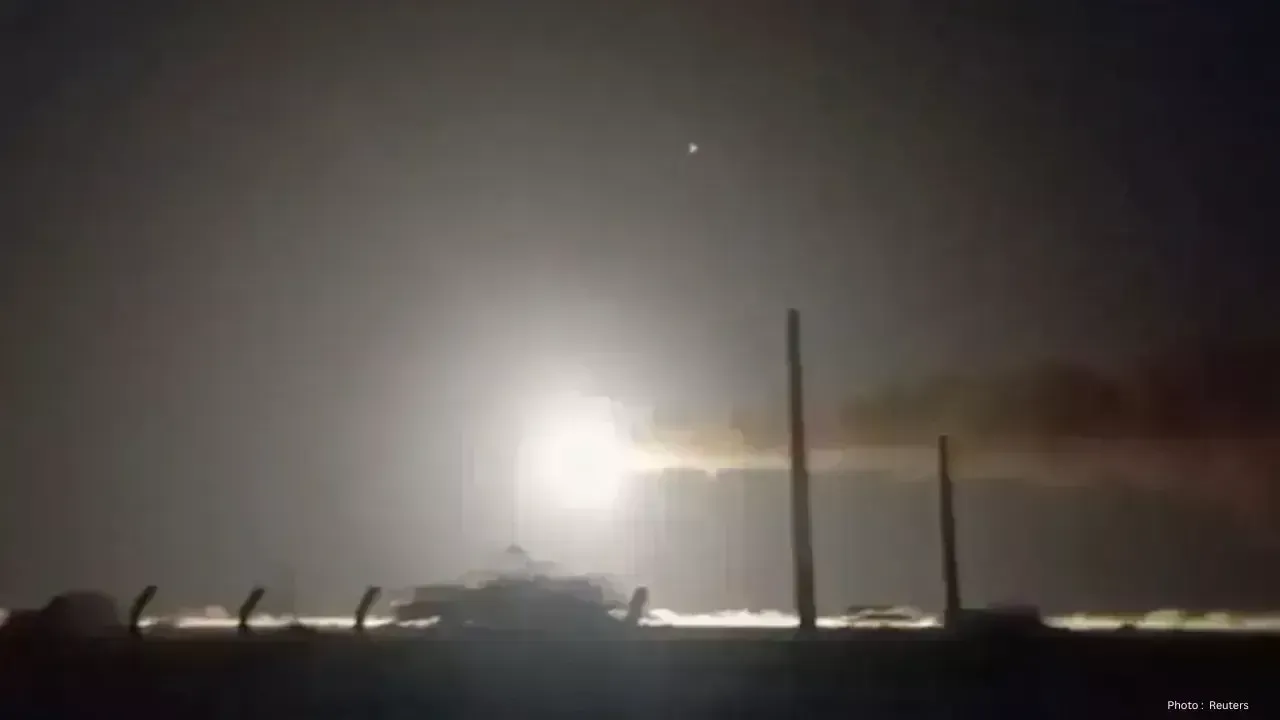
A military clash between the United States and Iran in the Strait of Hormuz has triggered fresh fears of a wider conflict in the Middle East, putting global oil supplies and international trade under pressure. The incident has drawn urgent attention because this narrow sea route is one of the most important energy corridors in the world.
The Strait of Hormuz is a critical passage through which nearly one-fifth of global oil shipments travel daily. It connects major oil-producing countries in the Gulf region to international markets. Any disruption here can quickly impact fuel prices, shipping costs, and the global economy.
Reports suggest that the recent confrontation involved military movements between US and Iranian forces near the strategic waterway. While both sides have exchanged accusations, the exact details are still developing. However, even limited clashes in this region are enough to raise serious global concern.
Oil markets reacted immediately after the incident, with traders worried about possible supply disruptions. Crude oil prices often rise when tensions increase in the Middle East, as investors fear risks to energy transportation and production stability.
The United States and Iran have been in conflict for decades over issues such as nuclear development, sanctions, military influence, and regional security. These long-standing disputes have made the Gulf region one of the most sensitive geopolitical areas in the world.
Iran has repeatedly opposed foreign military presence near its waters, while the United States says it is protecting global shipping lanes and ensuring safe passage for commercial vessels. This difference in position has led to repeated tensions and occasional confrontations.
Experts warn that the current situation is especially dangerous because the region is already facing multiple conflicts. A direct escalation between the two countries could destabilize not only the Middle East but also global markets.
Countries dependent on oil imports are closely watching the situation. Higher oil prices can increase inflation, raise transport costs, and affect everyday goods worldwide, from food to fuel.
International leaders have called for calm and urged both sides to avoid further escalation. Diplomatic solutions are being encouraged to prevent the situation from turning into a larger military crisis.
The Strait of Hormuz remains one of the world’s most sensitive chokepoints. Even small incidents here can create global economic shockwaves.
As tensions continue, the world is watching closely to see whether diplomacy can reduce the risk of conflict or whether the situation will further escalate in the coming days.







Anticipated Dates for UAE Eid Al Adha 2026 Unveiled by Astronomical Experts
Experts predict Eid Al Adha 2026 in the UAE to start on May 27, prompting early holiday planning amo

DAE Achieves Remarkable Growth in Q1 2026 With Record Revenue
Dubai Aerospace Enterprise announces impressive financial results for Q1 2026, reflecting a surge in

Price Increase for Sony PS5 in Southeast Asia Effective May 1
Sony announces a price increase for the PS5 across Southeast Asia starting May 1, 2026, impacting ga

Potential ‘Super El Niño’ in 2026: Understanding the Climate Risks
Could a Super El Niño emerge in 2026? Discover its implications and potential global climate impacts

Global Energy Crisis Intensifies: Markets React to Oil Supply Challenges
Markets are on edge as oil disruptions escalate, influencing prices and economic stability. Explore

Must-See Tourist Spots in London You Can't Overlook
Explore London's essential attractions, from royal landmarks to vibrant markets, ensuring an unforge




