Post by : Saif Nasser
A leading Pacific regional organisation for environmental protection has said the United States cannot leave the group without following a proper and formal exit process. The statement was made after U.S. President Donald Trump named the Secretariat of the Pacific Regional Environment Programme, known as SPREP, among dozens of international bodies the United States plans to leave.
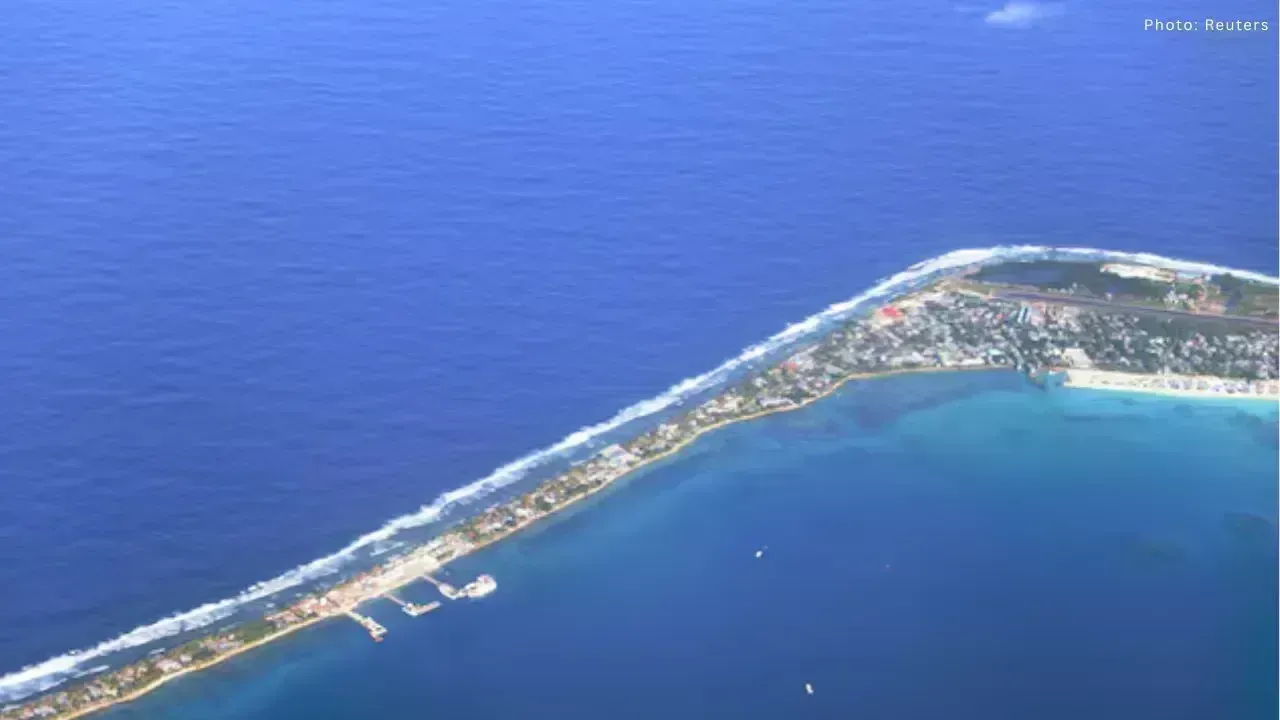
SPREP is based in Samoa and has worked for many years to help Pacific island nations protect their environment. These island countries are among the most vulnerable in the world to climate change. Rising sea levels, stronger storms, and coastal flooding threaten homes, food supplies, and even the survival of some islands.
The organisation supports its members by helping them speak at global climate meetings and by running programs on pollution control, disaster planning, and early warning systems for extreme weather. SPREP also helps countries prepare for oil spills and other environmental emergencies.
SPREP Director-General Sefanaia Nawadra said the United States is still a full member of the organisation until the official withdrawal steps are completed. He explained that there are clear rules for leaving SPREP and that these rules must be followed. Until then, the U.S. continues to be recognised as a member country.
The United States has provided funding and technical support to SPREP in the past. While this support is important, Nawadra said other partner countries are expected to help ensure the organisation’s work continues. SPREP’s main donors include Australia, Britain, New Zealand, France, and the United States. China has also provided limited funding over recent years.
SPREP employs more than 150 staff members working across several Pacific nations, including Fiji, Vanuatu, the Solomon Islands, and the Marshall Islands. Its work affects daily life in these countries by helping protect oceans, coastlines, and communities from environmental damage.
Some Pacific leaders have expressed concern that a U.S. withdrawal could reduce American influence in the region. One Pacific government minister said privately that stepping away from regional organisations could allow China to strengthen its position in the Pacific, where it has already expanded its ties.
Relations between the United States and Pacific nations are also under strain due to new travel restrictions. Several island countries, including Fiji, Tuvalu, Tonga, and Vanuatu, will soon face higher costs and stricter rules for entry into the United States. These measures have raised concerns among Pacific governments about the future of U.S. engagement.
For Pacific island nations, climate change is not a distant threat but a daily reality. Organisations like SPREP play a critical role in helping these countries protect their environment and plan for the future. How the United States handles its possible exit from SPREP will have long-term effects on both environmental cooperation and political influence in the Pacific region.








The Impact of Consistent Small Investments on Wealth Building
Discover how investing small amounts regularly can positively transform your financial future over t

7.5 Magnitude Earthquake Strikes Japan, Tsunami Alerts Issued
Japan experiences a hefty 7.5 quake, prompting tsunami alerts and safety measures. Stay updated on a

Reopening of the Strait of Hormuz: New Regulations to Impact Global Trade
Iran reopens the strategic Strait of Hormuz with new regulations affecting oil transport and global

Top 10 Must-See Attractions in NYC for First-Time Explorers
Discover essential experiences for first-time visitors to NYC, including attractions, culture, and i

Starbucks Engages Boyu Capital for Major Chinese Expansion
Starbucks teams up with Boyu Capital, selling a majority stake to boost growth and adapt to the Chin

Three Individuals Charged in Massive Meth Trafficking Case in Malaysia
In Malaysia, a married couple and another suspect are charged with trafficking 510kg of meth, facing