Post by : Saif Nasser
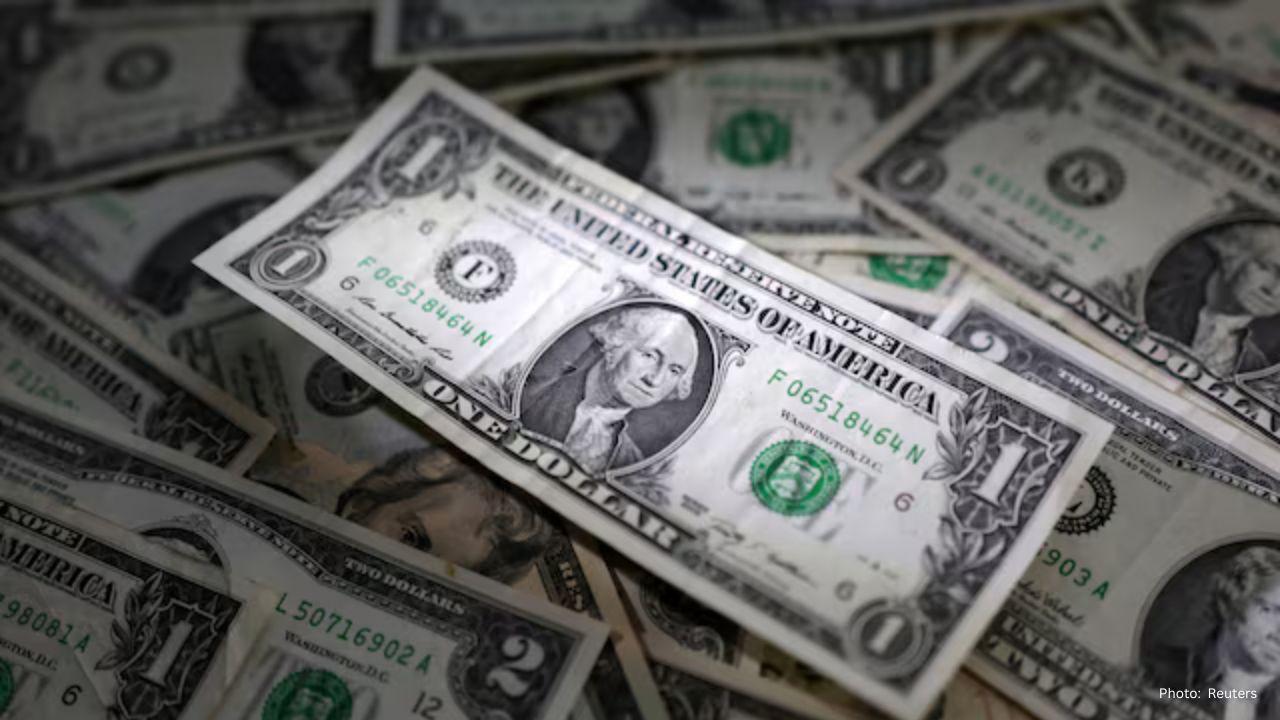
The U.S. dollar declined for a second day in Asian markets as initial fears from the recent U.S. military action in Venezuela began to fade. Investors are now focusing more on U.S. economic data and comments from Federal Reserve officials that suggest possible future rate cuts.
The dollar index, which measures the strength of the greenback against a basket of six major currencies, fell 0.2 percent to 98.216. This extended losses after the dollar had gained for four straight days earlier. Currency strategists say the easing of geopolitical tensions in Venezuela has reduced demand for safe-haven assets like the dollar.
Over the weekend, the U.S. military detained former Venezuelan President Nicolas Maduro in a surprise operation. Maduro later appeared in a New York court and pleaded not guilty to narcotics charges. While this operation initially caused market volatility, investors have now shifted attention back to U.S. domestic economic trends.
The dollar weakened slightly against the Japanese yen, trading at 156.255 yen. Meanwhile, commodity-linked currencies such as the Australian and New Zealand dollars strengthened, with the Australian dollar reaching a one-week high of $0.6724 following record copper prices. The New Zealand dollar rose 0.2 percent to $0.5798.
Analysts note that the dollar’s gains on Monday were short-lived. U.S. manufacturing activity fell to a 14-month low in December, highlighting slower economic growth. This data, combined with dovish comments from Minneapolis Federal Reserve President Neel Kashkari, has increased expectations that the Fed may maintain or even lower interest rates in the near future.
Kashkari warned that the U.S. labor market could face risks, which could justify future policy easing. As a result, futures markets currently price an 82.8 percent chance that the Fed will hold rates steady at its next meeting later this month.
The dollar also eased against the Chinese yuan, trading at 6.9769, while the euro strengthened slightly to $1.1737. The British pound rose to $1.3562. In cryptocurrencies, bitcoin fell 0.3 percent to $93,772, and ether declined 0.4 percent to $3,225.
Overall, the U.S. dollar’s retreat shows that markets are balancing geopolitical developments with economic fundamentals. While sudden international events like the Maduro operation can cause short-term volatility, investors are increasingly prioritizing U.S. economic indicators and central bank guidance when making decisions.
The latest moves indicate that the greenback may remain under pressure in the near term, especially if U.S. economic growth continues to show signs of slowing and expectations of Fed rate cuts grow.









The Impact of Consistent Small Investments on Wealth Building
Discover how investing small amounts regularly can positively transform your financial future over t

7.5 Magnitude Earthquake Strikes Japan, Tsunami Alerts Issued
Japan experiences a hefty 7.5 quake, prompting tsunami alerts and safety measures. Stay updated on a

Reopening of the Strait of Hormuz: New Regulations to Impact Global Trade
Iran reopens the strategic Strait of Hormuz with new regulations affecting oil transport and global

Top 10 Must-See Attractions in NYC for First-Time Explorers
Discover essential experiences for first-time visitors to NYC, including attractions, culture, and i

Starbucks Engages Boyu Capital for Major Chinese Expansion
Starbucks teams up with Boyu Capital, selling a majority stake to boost growth and adapt to the Chin

Three Individuals Charged in Massive Meth Trafficking Case in Malaysia
In Malaysia, a married couple and another suspect are charged with trafficking 510kg of meth, facing