Post by : Saif Nasser
The United States’ growing control over Venezuela’s oil exports has opened a new and serious challenge for the country’s future. Experts now warn that this move could lead to a major debt dispute with China and make it much harder for Venezuela to recover from years of financial crisis.
Venezuela has been in default on much of its foreign debt since 2017. The country owes an estimated 150 billion dollars to foreign lenders. About one-tenth of that amount is believed to be owed to China. For years, Venezuela paid part of this debt by sending oil shipments directly to Chinese buyers instead of cash.
This arrangement became more important after U.S. sanctions were imposed in 2019, cutting Venezuela off from normal financial markets. Oil-for-debt deals allowed the government to keep servicing loans to China even as other creditors went unpaid.
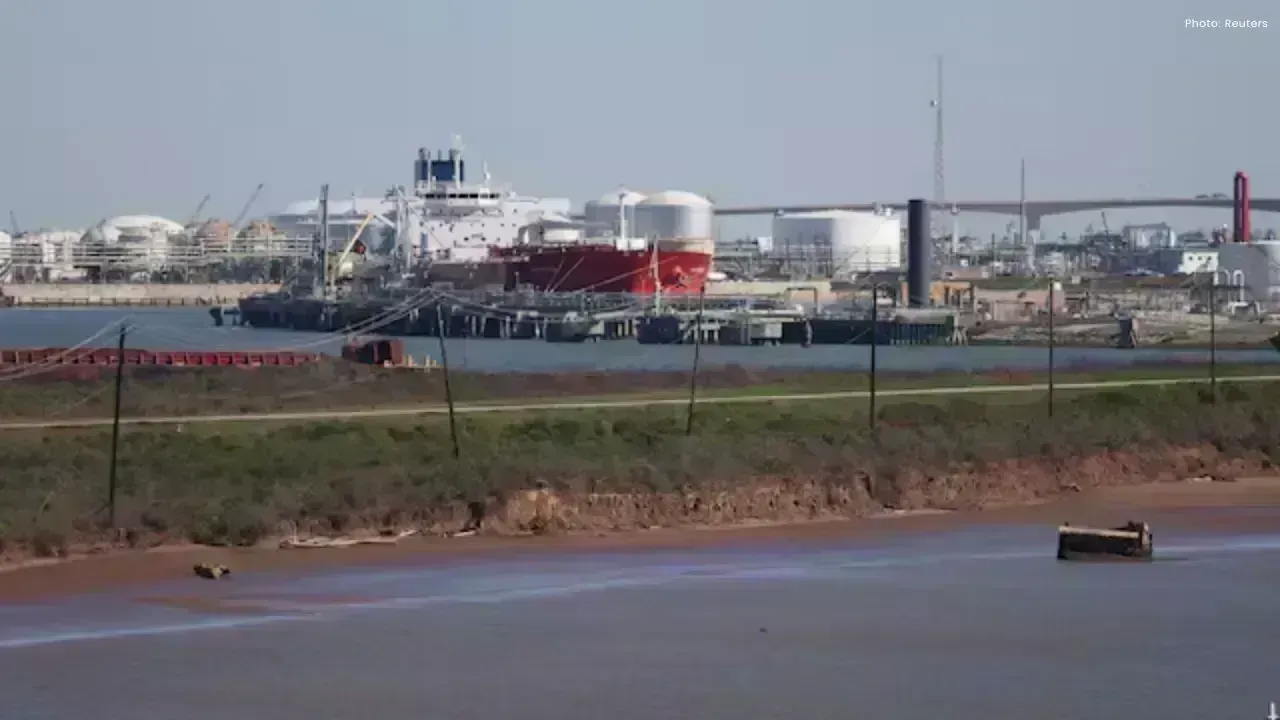
That system has now been disrupted. After the U.S. seized control following the capture of former President Nicolás Maduro earlier this month, Washington announced that proceeds from Venezuela’s oil sales would be placed in an account controlled by the United States. This account is reportedly based in Qatar.
Because oil exports are Venezuela’s main source of income, this decision gives the U.S. huge influence over who gets paid and when. Debt experts say this level of control is unusual and risky.
According to analysts, several oil tankers had been carrying Venezuelan crude to China in recent years specifically to cover interest payments on Chinese loans. Now, those shipments no longer automatically serve that purpose. Instead, oil sales are being handled under U.S. oversight, and sales to China are treated as private market transactions rather than debt payments.
China has reacted strongly. Its foreign ministry said that China’s legal rights and interests in Venezuela must be protected. Beijing has also criticized the redirection of oil exports, warning that the move could harm other countries with legitimate claims.
The Trump administration argues that the new system will benefit both American and Venezuelan citizens. U.S. officials say China is still allowed to buy Venezuelan oil, but not at prices they consider unfair or heavily discounted. They insist Venezuela will now receive a fair price for its oil.
However, debt restructuring experts see serious dangers ahead. In normal debt restructurings, all major lenders agree to share losses in a balanced way. This process often involves coordination through groups like the Paris Club, which sets standards that private lenders must also follow.
If the U.S. controls Venezuela’s oil money, it could disrupt this balance. Some experts fear that older creditors, including bondholders and China, could be pushed behind new political priorities. This could lead to long delays or even collapse of any restructuring talks.
China’s cooperation is especially important. It is the world’s largest bilateral lender to developing nations and has played a key role in recent debt deals for countries like Ghana and Zambia. If Beijing feels it is being treated unfairly in Venezuela, it could refuse to cooperate in future global debt negotiations.
Such a move would not only hurt Venezuela but could also affect other struggling countries that rely on international cooperation to fix their debt problems.
For Venezuela, the stakes are high. Without a clear and fair debt deal, the country cannot return to global markets or attract new investment. Continued delays could leave its economy trapped in crisis for years to come.
As the U.S. and China navigate this sensitive issue, experts warn that political power over oil revenues must be handled carefully. Otherwise, Venezuela’s long road to recovery could become even longer and more painful.




7.5 Magnitude Earthquake Strikes Japan, Tsunami Alerts Issued
Japan experiences a hefty 7.5 quake, prompting tsunami alerts and safety measures. Stay updated on a

Reopening of the Strait of Hormuz: New Regulations to Impact Global Trade
Iran reopens the strategic Strait of Hormuz with new regulations affecting oil transport and global

Top 10 Must-See Attractions in NYC for First-Time Explorers
Discover essential experiences for first-time visitors to NYC, including attractions, culture, and i

Starbucks Engages Boyu Capital for Major Chinese Expansion
Starbucks teams up with Boyu Capital, selling a majority stake to boost growth and adapt to the Chin
Three Individuals Charged in Massive Meth Trafficking Case in Malaysia
In Malaysia, a married couple and another suspect are charged with trafficking 510kg of meth, facing