Post by : Vansh
In the 21st century, cities are no longer just hubs for commerce and culture—they are evolving into complex ecosystems driven by technology, sustainability, and innovation. The concept of smart cities is transforming urban landscapes worldwide, redefining how people live, work, and interact. From energy-efficient infrastructure to intelligent transportation systems, the urban transformation brought about by smart cities is creating a future where convenience, sustainability, and connectivity coexist harmoniously.
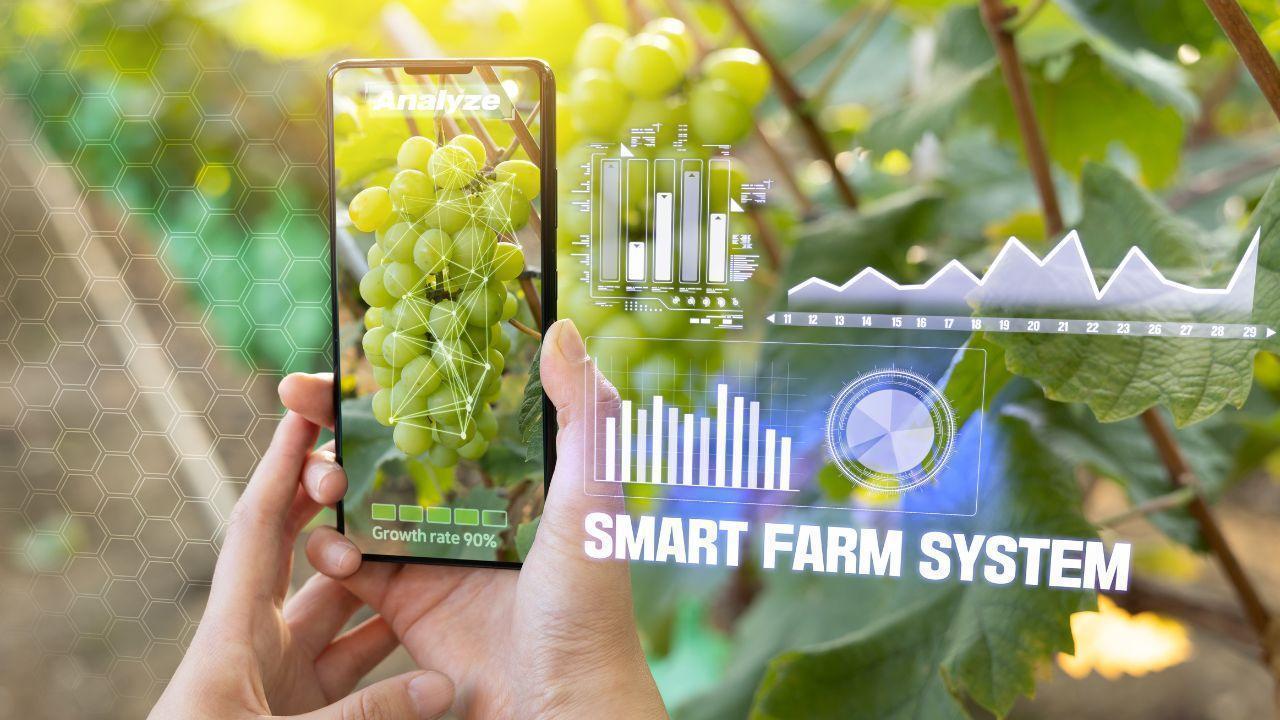
The rise of smart cities is fueled by the rapid advancement of digital technologies, including the Internet of Things (IoT), artificial intelligence (AI), and big data analytics. By leveraging these technologies, urban planners and governments can monitor real-time data, optimize city services, and enhance citizens’ quality of life. For example, smart traffic management systems reduce congestion and pollution, while smart energy grids ensure efficient electricity distribution and lower carbon footprints.
Furthermore, smart cities prioritize citizen engagement. Mobile applications and digital platforms enable residents to access public services, report issues, and participate in decision-making processes. This level of transparency and responsiveness fosters a more inclusive urban environment, encouraging communities to thrive.
Sustainability is at the heart of urban transformation. As cities expand, the need for eco-friendly infrastructure becomes critical. Urban transformation initiatives in smart cities often focus on renewable energy, waste management, water conservation, and green architecture. Solar panels, wind energy, and smart grids reduce reliance on fossil fuels, while smart waste management systems track and optimize recycling and disposal processes.
Green spaces, vertical gardens, and eco-friendly buildings are also integral to sustainable urban living. By incorporating nature into city planning, smart cities combat urban heat islands, improve air quality, and create healthier living environments. Residents benefit from cleaner surroundings and a higher standard of living, reinforcing the idea that modern living can be both convenient and environmentally responsible.
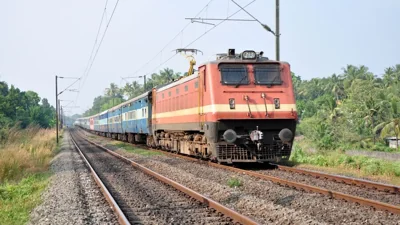
One of the most noticeable impacts of smart cities is in transportation. Traffic congestion, one of the major challenges of urbanization, is being addressed through intelligent transportation systems (ITS). Smart traffic lights, connected vehicles, and real-time transit apps help manage traffic flow efficiently, reducing commute times and fuel consumption.
Public transportation is also becoming smarter. Cities like Singapore and Barcelona have integrated AI-powered systems to optimize bus and train schedules, ensuring minimal waiting times and enhanced commuter experiences. Additionally, bike-sharing programs, electric scooters, and autonomous vehicles are reshaping mobility, making urban travel cleaner, safer, and more efficient.
The information provided in this article is intended for general informational purposes only. While every effort has been made to ensure accuracy, MiddleEastBulletin news network does not guarantee the completeness, reliability, or suitability of the content. Readers are advised to verify any information independently before making decisions based on it.





Anticipated Dates for UAE Eid Al Adha 2026 Unveiled by Astronomical Experts
Experts predict Eid Al Adha 2026 in the UAE to start on May 27, prompting early holiday planning amo

DAE Achieves Remarkable Growth in Q1 2026 With Record Revenue
Dubai Aerospace Enterprise announces impressive financial results for Q1 2026, reflecting a surge in

Price Increase for Sony PS5 in Southeast Asia Effective May 1
Sony announces a price increase for the PS5 across Southeast Asia starting May 1, 2026, impacting ga

Potential ‘Super El Niño’ in 2026: Understanding the Climate Risks
Could a Super El Niño emerge in 2026? Discover its implications and potential global climate impacts

Global Energy Crisis Intensifies: Markets React to Oil Supply Challenges
Markets are on edge as oil disruptions escalate, influencing prices and economic stability. Explore

Must-See Tourist Spots in London You Can't Overlook
Explore London's essential attractions, from royal landmarks to vibrant markets, ensuring an unforge




