Post by : Sami Jeet
Step into any grocery store, and it's hard to miss the myriad of products boasting claims such as healthy, organic, sugar-free, low-fat, high-protein, or immunity-boosting. These enticing labels sway consumer choices, effectively creating a health halo around many items that may not be beneficial to your health. In 2026, packaged food advertising has become significantly more sophisticated, often leading consumers astray. This article analyzes the truth behind so-called “healthy” packaged foods, elucidates how marketing manipulates perceptions, outlines important ingredient information, and guides you in making wiser dietary selections.
Food manufacturers thrive on the understanding that consumers desire both convenience and guilt-free options. As lifestyles grow more hectic, the need for quick, convenient meals skyrockets. In response, brands craft products and designs that give off an impression of healthiness.
Some key reasons why packaged items seem more nourishing include:
Visually appealing packaging featuring green, brown, or minimalist designs
Buzzwords like “natural,” “clean,” and “wholesome”
Endorsements from celebrities or influencers
Claims of added vitamins or proteins
Comparisons to junk food rather than whole food
The reality is that appearing healthy doesn’t equate to actual health.
The term “healthy” has no universally accepted definition when it comes to packaged products. The vocabulary utilized on labels is often legally ambiguous.
Natural doesn’t equal unprocessed
No added sugar doesn’t guarantee sugar-free
Low fat can frequently indicate high sugar content
High protein doesn’t imply well-rounded nutrition
Organic components don’t automatically mean the product is healthy
These labels often serve to shift perceptions rather than educate purchasers.
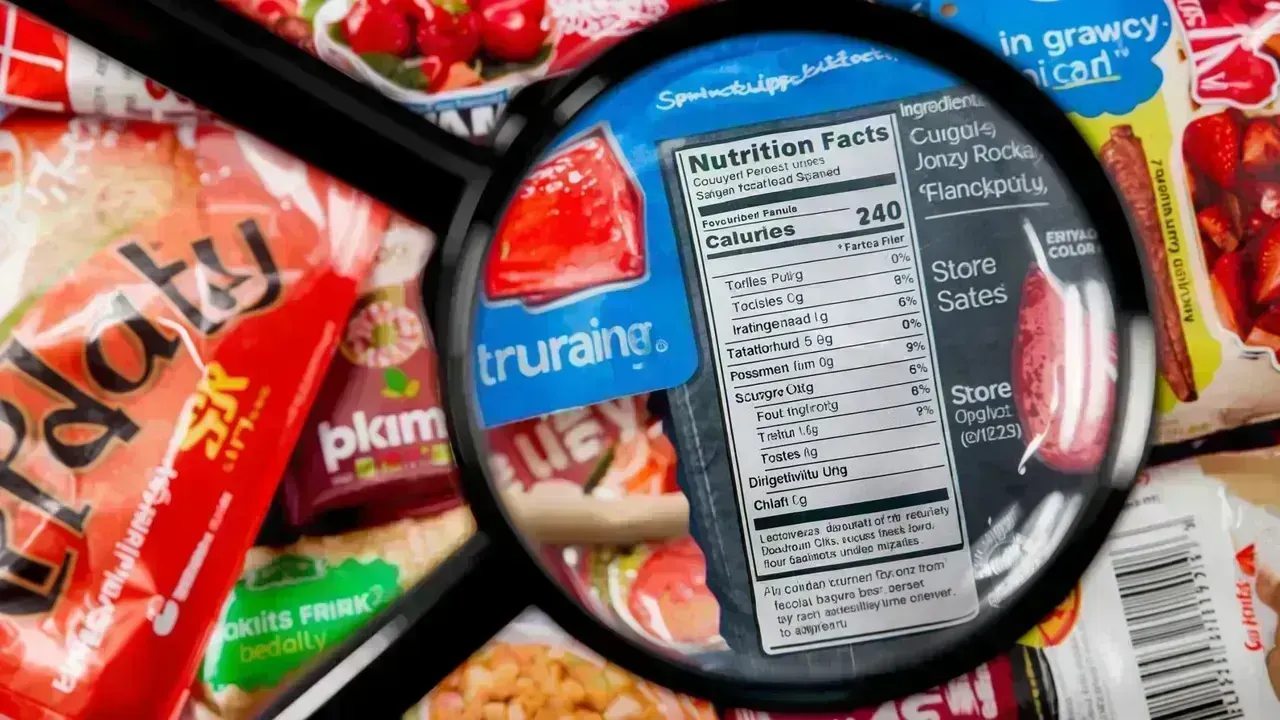
The portion of the food package most reflective of reality is the ingredient list, even though it is frequently overlooked.
Ingredients are presented in order based on their weight
The top three ingredients typically constitute the bulk of the product
Various names for sugar may appear separately to obscure quantities
If sugar, refined flour, or vegetable oils are listed near the top, the product is likely nutritionally deficient, no matter what the front label claims.
A surprising number of products marketed for their health benefits contain elevated levels of sugar.
Common examples include:
Breakfast cereals
Granola bars
Protein bars
Flavored yogurt
Fruit juices and smoothies
Manufacturers often employ terms like glucose syrup, maltodextrin, cane juice, honey, fructose, or rice syrup to disguise sugar content. Your body treats all sugars the same—sugar is sugar.
The rise in low-fat items occurred in an era when fat was mistakenly blamed for weight issues.
Fat is removed
Sugar, starch, or additives are then introduced for flavor
Caloric value remains unchanged or even rises
Low-fat snacks, yogurts, and biscuits may trigger blood sugar spikes and increase hunger, marking them worse for metabolic health.
A fair number of “healthy” packaged products fall under the category of ultra-processed foods, even if they boast added nutrients.
Lengthy ingredient lists
Use of artificial flavors or colors
Presence of emulsifiers and stabilizers
Modified starches
Preservatives aimed at extending shelf life
Ultra-processed items are linked to inflammation, gut health issues, and increased susceptibility to diet-related diseases—even when marketed as wholesome.
Protein has evolved into the most potent health buzzword.
Protein bars might have more sugar than actual protein
Protein powders can contain artificial sweeteners
Engaging in protein overconsumption doesn't equate to improved health
Protein quality, digestion, and the balance with fiber and fats are far more significant than sheer numbers.
Numerous packaged foods strip natural nutrients during processing only to add synthetic vitamins later.
Synthetic nutrients may not be efficiently absorbed
Just because something is fortified, doesn’t mean it’s high quality
Whole foods offer nutrients in naturally cohesive formats
A sugary cereal packaged with added vitamins remains a sugary cereal.
A common tactic involves unrealistic serving sizes.
Nutrition data can seem low per serving
Consumption often far exceeds recommended servings
sugar, salt, and calories accumulate quickly
Always verify values based on 100g, rather than just per serving.
Some brands might drop artificial ingredients but continue to use refined components.
Clean-label products can still be:
High in sugars
Low in fiber
Deficient in essential micronutrients
Overall health requires nutritional balance, not merely attractive ingredient presentations.
When individuals perceive a food as healthy, they tend to:
Consume larger portions
Snack more often
Disregard actual hunger cues
This behavior leads to overconsumption, even when the products are marketed as nutritious.
In reality, the primary beneficiaries of these products include:
Food corporations boosting their profit margins
Time-strapped consumers seeking convenient options
Marketing-centric brand positioning
These products often do little for long-term health when consumed on a daily basis.
Not every packaged item is detrimental.
Acceptable selections might include:
Plain nuts and seeds
Unsweetened oatmeal
Single-ingredient items
Frozen veggies without additives
Staples with minimal ingredients
The focus should be on minimal processing and transparency.
Opt for foods with fewer ingredients
Avoid items with multiple sources of sugar
Select fiber-rich choices
Ignore the hype on front labels
Complement packaged foods with fresh options
Perfection isn't necessary—awareness is key.
Packaged goods are tailored for durability, not for wellness. As food undergoes more processing, it deviates further from its natural essence. Heavily relying on packaged “healthy” options fosters a deceptive sense of security, which can gradually undermine long-term health.
The blunt reality is that most packaged foods prioritize profit over nourishment. Health assertions are often marketing ploys rather than guarantees of nutritional value. Genuine health is achieved through whole foods, consistent consumption, and comprehension of labels—not through trendy packaging.
An informed consumer is a powerful asset to their health.
This article serves educational and informational purposes and does not offer medical or nutritional advice. Individual dietary requirements can vary widely based on age, health conditions, and lifestyle. It is advisable to consult with a licensed nutritionist or healthcare provider before making significant dietary modifications.










Anticipated Dates for UAE Eid Al Adha 2026 Unveiled by Astronomical Experts
Experts predict Eid Al Adha 2026 in the UAE to start on May 27, prompting early holiday planning amo

DAE Achieves Remarkable Growth in Q1 2026 With Record Revenue
Dubai Aerospace Enterprise announces impressive financial results for Q1 2026, reflecting a surge in

Price Increase for Sony PS5 in Southeast Asia Effective May 1
Sony announces a price increase for the PS5 across Southeast Asia starting May 1, 2026, impacting ga

Potential ‘Super El Niño’ in 2026: Understanding the Climate Risks
Could a Super El Niño emerge in 2026? Discover its implications and potential global climate impacts

Global Energy Crisis Intensifies: Markets React to Oil Supply Challenges
Markets are on edge as oil disruptions escalate, influencing prices and economic stability. Explore

Must-See Tourist Spots in London You Can't Overlook
Explore London's essential attractions, from royal landmarks to vibrant markets, ensuring an unforge




