Post by : Mikhael Nasser
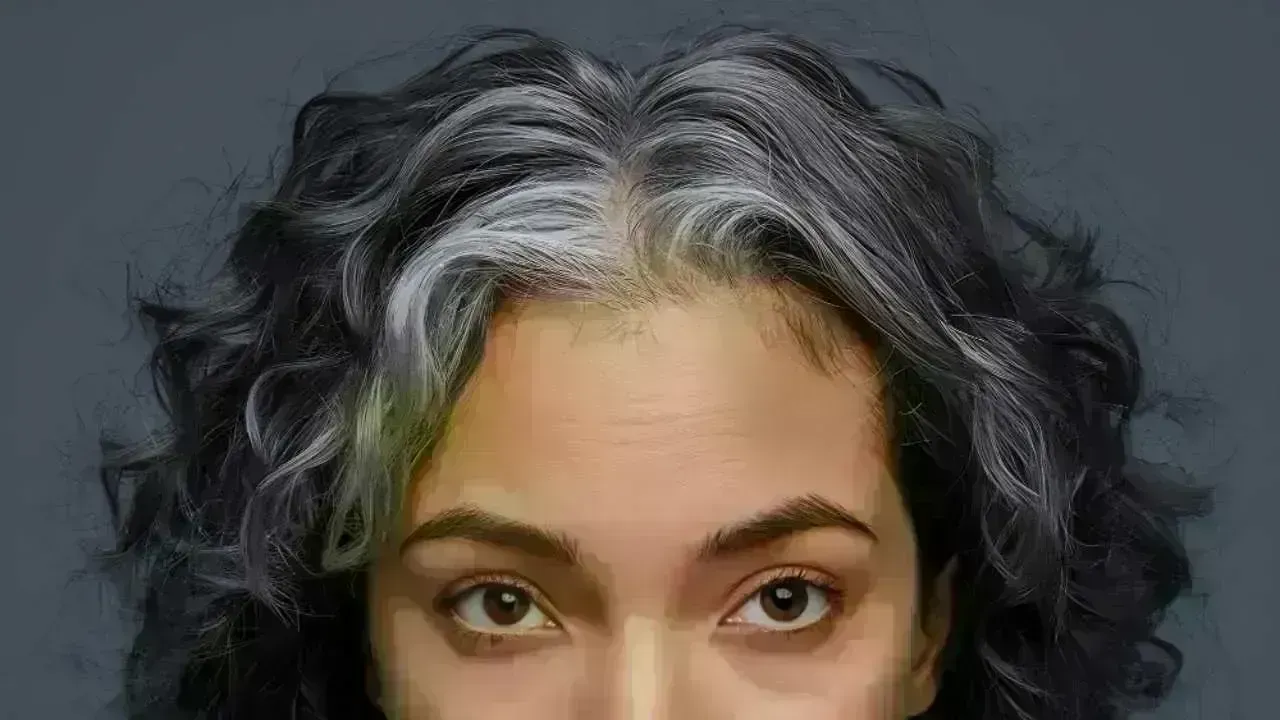
While grey hair is often anticipated in later years, many younger individuals—some still in school—are spotting grey hairs far sooner than expected. This phenomenon can be puzzling and concerning, yet early greying is increasingly frequent. There are various implications, including family genetics, lifestyle factors, and health influences.
To better grasp why some notice a loss of hair color early, it's essential to understand hair pigmentation. Each strand emerges from a tiny pore known as a follicle, where unique pigment cells produce melanin, the pigment responsible for hair's color. When these cells diminish in number or cease functioning, hairs may emerge grey or white sooner for some individuals.
Below is a thorough examination of the primary factors contributing to premature greying and potential remedies.
Genetic predisposition is the primary contributor to early greying. If either parent exhibited early greying, chances are that you might too.
Reasons genetics plays a role:
Familial patterns often dictate the longevity and vitality of pigment cells.
The onset age of greying is frequently inherited.
Here, early greying is often not attributed to dietary or lifestyle choices but is simply a biological characteristic.
Modern life can be a major source of stress. Academic, professional, and personal pressures can impact physical health. Research suggests prolonged stress can negatively affect melanin-producing cells.
Effects of stress on hair include:
Accelerated breakdown of pigment cells.
Increased hair loss with potentially grey new growth.
Weakened hair roots.
While stress alone doesn't cause overnight greying, it may expedite the process.
Proper nutrition is vital for hair health. A deficit in key vitamins and minerals may lead to diminished pigment cell function.
Essential nutrients for maintaining hair color:
Vitamin B12
Vitamin B6
Iron
Copper
Folate (Vitamin B9)
Individuals on restricted diets or experiencing digestion issues are more susceptible to early greying due to such deficiencies.
The thyroid gland significantly influences hair growth and pigmentation. Conditions like hypothyroidism and hyperthyroidism can disrupt normal hair coloring.
Indicators that may link early greying to thyroid dysfunction include:
Hair that appears thinner, rougher, or more brittle.
A sudden rise in greys.
Fatigue, weight changes, and cold extremities.
If any of these symptoms accompany early greying, consulting a physician for a thyroid assessment may be wise.
Smoking accelerates the aging process of skin and hair. Research indicates that smokers are at a higher risk of early grey hair.
Here’s how smoking can alter hair color:
Decreased blood circulation to follicles.
Toxic substances harm pigment cells.
Accelerated aging.
Even second-hand smoke can be detrimental.
Chemicals from hair dyes, heat tools, and other styling agents can damage hair over time. Frequent usage can lead to weakened scalp and reduced melanin.
Consequences of chemical and heat exposure include:
Dryness and fragility.
Loss of natural shine and pigmentation.
Compromised hair follicles.
While occasional use is acceptable, overindulgence can hasten early greying.
Autoimmune disorders can lead to premature greying, as the body mistakenly damages its own pigmentation cells.
Conditions to be aware of include:
Vitiligo
Alopecia areata
Such conditions often necessitate medical intervention and aren’t easily managed through home remedies.
Various daily habits impact premature greying. These may include:
Inadequate sleep.
Overindulgence in fast food.
Excessive caffeine intake.
Insufficient water consumption.
Irregular eating patterns.
When the body suffers from lack of rest and nutrition, hair often shows the first signs of distress.
Whether early greying can be reversed hinges on its cause.
Once pigment cells diminish due to hereditary factors, restoration often doesn’t occur.
Helpful strategies include:
Incorporating B vitamins, iron, and copper-rich foods.
Reducing stress through relaxing activities.
Ceasing smoking.
Limiting harsh hair products.
Using gentle hair care solutions.
Considering doctor-prescribed supplements.
Regular scalp massages can enhance blood flow and overall hair health.
These foods may aid in maintaining or slowing down melanin depletion:
Almonds and walnuts.
Leafy greens such as spinach and kale.
Eggs.
Fish.
Beans and lentils.
Beetroots.
Amla (Indian gooseberry).
These are rich in vital nutrients that reinforce hair from the inside.
Experiencing early grey hair should not be a cause for shame. While genetics, lifestyle choices, or health issues play a role, understanding the cause can guide you in taking effective measures to maintain your mane.
Grey hair doesn't dictate your allure or age. With appropriate nutrition, restful habits, and self-care, you can sustain vibrant and healthy hair—regardless of its hue.
This article aims to offer general information about early greying. It should not replace medical consultations. If you encounter significant changes in hair color or loss, it's essential to consult a healthcare professional. Each individual’s situation differs, so professional advice is recommended before making changes to your health or hair care routine.










Anticipated Dates for UAE Eid Al Adha 2026 Unveiled by Astronomical Experts
Experts predict Eid Al Adha 2026 in the UAE to start on May 27, prompting early holiday planning amo

DAE Achieves Remarkable Growth in Q1 2026 With Record Revenue
Dubai Aerospace Enterprise announces impressive financial results for Q1 2026, reflecting a surge in

Price Increase for Sony PS5 in Southeast Asia Effective May 1
Sony announces a price increase for the PS5 across Southeast Asia starting May 1, 2026, impacting ga

Potential ‘Super El Niño’ in 2026: Understanding the Climate Risks
Could a Super El Niño emerge in 2026? Discover its implications and potential global climate impacts

Global Energy Crisis Intensifies: Markets React to Oil Supply Challenges
Markets are on edge as oil disruptions escalate, influencing prices and economic stability. Explore

Must-See Tourist Spots in London You Can't Overlook
Explore London's essential attractions, from royal landmarks to vibrant markets, ensuring an unforge




