Post by : Sami Jeet
Environmental shifts have transcended theoretical discussions and are now tangible realities affecting our daily lives. From the air we breathe and the food we consume to our work environments and mental health, these changes are reshaping familiar routines. Many of these impacts are subtle, enabling people to overlook them until they become critical challenges.
This piece outlines the significant environmental modifications affecting everyday life, how they manifest in ordinary activities, and the importance of recognizing these transformations for individuals and communities.
One prominent environmental alteration is the consistent rise in global temperatures.
Greater incidence of heat-related exhaustion and dehydration
Higher electricity costs from cooling requirements
Decreased productivity in outdoor professions
Disturbances in sleep patterns due to warmer nights
Prolonged and more frequent heat waves impact overall health and economic stability.
The elderly, children, outdoor workers, and those with chronic ailments face increased exposure to heat-related health issues, leading to adjustments in daily schedules to evade peak heat hours.
Air pollution poses a silent yet pervasive threat to health, now evident even in previously safe urban areas.
Vehicle emissions
Dust from construction activities
Industrial pollutants
Wildfires and burning crops
Increased incidences of allergies and asthma
Eye irritation and headaches
Reduced outdoor experiences
Increased reliance on air purifiers and masks
Subpar air quality directly influences work efficiency, school attendance, and healthcare costs.
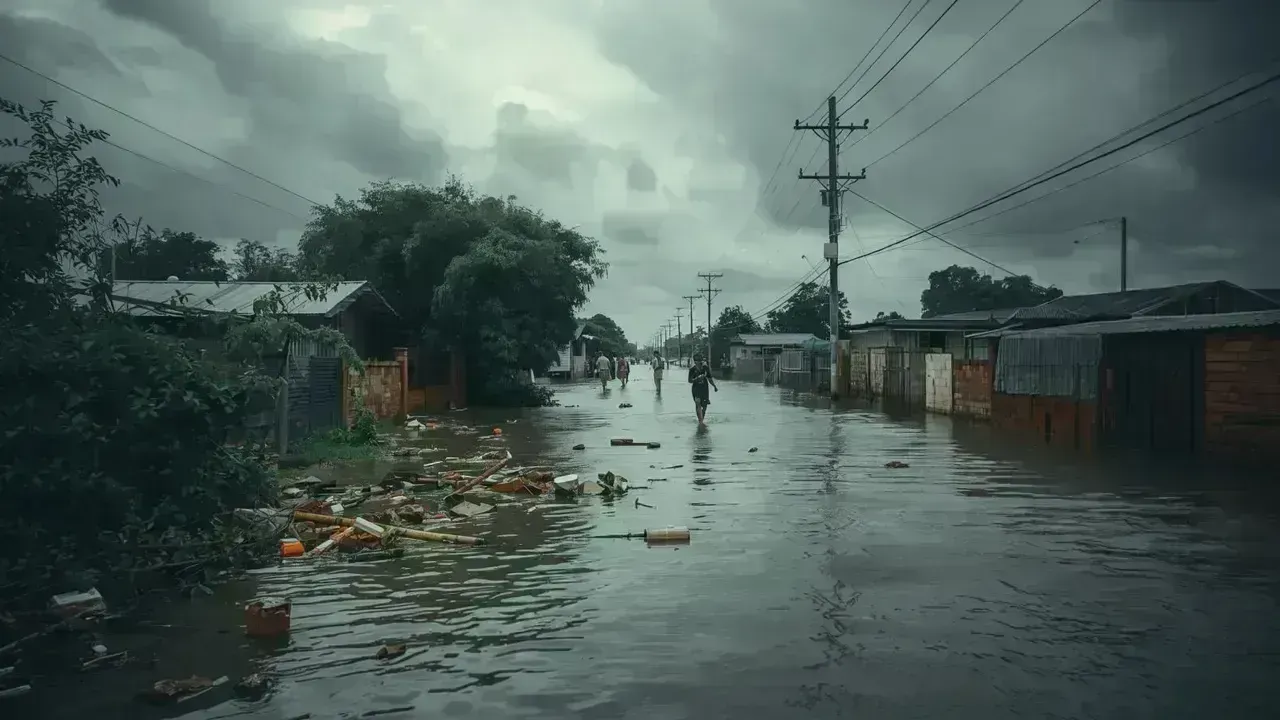
Rainfall patterns are becoming erratic—either too much or too little.
Urban flooding hindering transportation
Water scarcity during drought periods
Infrastructure damage
Increased costs for water storage and treatment
Daily activities like commuting and sanitation are now dictated by water availability.
Environmental degradation has adversely impacted both surface and groundwater quality.
Higher reliance on water filtration
Increased consumption of bottled water
Health concerns due to contamination
Increasing household expenditures
Access to clean water is becoming a daily concern for many.
Environmental changes are impacting food production, distribution, and prices.
Crop failures caused by extreme weather
Lower nutritional value of produce
Growing dependence on food imports
Increasing food prices
These factors have wide-ranging implications on daily meal planning and budgeting.
Seasonal changes are becoming less predictable.
Uncertain clothing choices
Increased health issues from sudden temperature shifts
Agricultural planning difficulties
Rising incidence of illnesses during transitions
Individuals now experience diverse weather extremes in quick succession, influencing both physical and mental well-being.
The instability of the environment contributes to long-term psychological stress.
Anxiety stemming from extreme weather conditions
Financial stress from rising living costs
Fear of prolonged environmental disruption
Reduced feelings of security
This stress, referred to as climate anxiety, can hinder focus, sleep, and emotional stability.
Unusual weather events have become commonplace.
Flooded infrastructure and damaged property
Utility outages
Disruption of communications
Emergency evacuations
These incidents affect work commitments, education, healthcare access, and daily mobility.
Cities are particularly susceptible to environmental alterations.
Urban heat islands driving local temperatures higher
Overwhelmed drainage systems during heavy rainfall
Reduction in green spaces
Higher exposure to pollution
Living in urban settings now requires adaptive strategies, from choosing commuting times to housing options.
Shifts in the environment all directly influence energy requirements.
Increased electricity usage
Increased fuel expenses
Rising interest in energy-efficient solutions
Transition towards renewable energy
Households are becoming more aware of their energy consumption in response to fluctuating costs and reliability.
With environmental pressures rising, awareness of waste management has intensified.
Increased separation of waste
Decreased plastic utilization
Adopting reusable items
Community recycling initiatives
Everyday choices now carry environmental implications that many individuals are beginning to take into account.
Environmental modifications are leading to greater health risks.
Illnesses relating to heat exposure
Diseases spread through contaminated water
Respiratory ailments
Skin-related issues
Healthcare routines and preventive measures have become integrated into daily life.
Environmental factors are reshaping how we travel.
Damage to roads owing to flooding
Greater fuel consumption
Moving towards public transport or electric vehicles
Weather-related travel delays
Mobility planning is incorporating environmental aspects.
Environmental conditions are impacting workplace environments.
Lower productivity during extreme heat
Increased employee sick days
Emphasis on remote work amid environmental challenges
Costs associated with infrastructure adaptation
Both employers and employees need to modify work structures in response to evolving situations.
The effects of environmental changes are not uniform.
Restricted access to clean air and water
Higher exposure risks in lower-income communities
Fewer resources for adaptation
Environmental changes tend to widen social and economic divides, complicating basic survival for vulnerable demographics.
People are making adaptations to their routines however small they may seem.
Careful monitoring of weather forecasts
Modifying meal choices accordingly
Investments in tools for health and safety
Support for sustainable options
These adaptations have become integral to daily decision-making.
Understanding environmental changes equips individuals to respond proactively instead of reactively.
Awareness facilitates:
Improved planning
Health safeguards
Financial readiness
Community collaboration
Failing to recognize these changes amplifies potential long-term risks.
The effects of environmental changes will persist, guiding daily choices. The focus should not be on fear, but on preparedness, resilience, and informed decision-making. Small modifications today can help alleviate stress and enhance life quality tomorrow.
Environmental transformations are quietly yet profoundly influencing daily experiences. From health and nutrition to work and mental health, their consequences are personal and immediate. Acknowledging these shifts enables individuals to adapt, safeguard themselves, and make choices that promote personal stability alongside environmental welfare.
This article serves informational and educational objectives only. Environmental impacts may vary based on geography, lifestyle, and individual circumstances. The content does not replace specialized environmental, medical, or policy advice. Readers should seek expert guidance for inquiries specific to their region or health.









Top 10 Must-See Attractions in NYC for First-Time Explorers
Discover essential experiences for first-time visitors to NYC, including attractions, culture, and i

Starbucks Engages Boyu Capital for Major Chinese Expansion
Starbucks teams up with Boyu Capital, selling a majority stake to boost growth and adapt to the Chin

Three Individuals Charged in Massive Meth Trafficking Case in Malaysia
In Malaysia, a married couple and another suspect are charged with trafficking 510kg of meth, facing
Singapore Police Revisit Geylang Murder Scene with Suspect
In Geylang, police return a murder suspect to the scene of a crime involving the fatal stabbing of a

Mattel Revives Masters of the Universe Action Figures Ahead of Film Launch
Mattel is reintroducing Masters of the Universe figures in line with its upcoming film, tapping into