Post by : Saif Nasser
President Donald Trump’s Gaza ceasefire plan has entered a critical second phase, raising both cautious hope and deep uncertainty. The White House says this next stage could reshape Gaza’s future and possibly the wider Middle East, but the lack of clear details has left many questioning whether the plan can truly succeed.
The announcement was made by Trump’s Middle East envoy, Steve Witkoff, who said the new phase would focus on setting up a transitional Palestinian governing committee, beginning reconstruction, and starting the difficult process of disarming Hamas. While these goals sound ambitious, the plan remains largely unclear on how they will be achieved, who will enforce them, and how long they will take.
Trump’s 20-point ceasefire plan, approved by the U.N. Security Council, aims to end Hamas’ rule in Gaza and replace it with a demilitarized territory under international supervision. If successful, Gaza would be rebuilt, Israel’s ties with Arab nations could improve, and a possible path toward Palestinian independence might open. But failure could leave Gaza stuck in a dangerous and unstable situation for years.
Although the ceasefire officially began in October and stopped two years of heavy fighting, the first phase is not fully complete. Both Israel and Hamas accuse each other of violations. Israeli military fire has killed hundreds of Palestinians since the truce began, according to Gaza health officials. Israel says it was responding to threats or violations, while Palestinians say civilians were targeted. Hamas is also still holding the remains of the final Israeli hostage, and Prime Minister Benjamin Netanyahu has said progress will be slow until they are returned.
Netanyahu has also downplayed the importance of the new phase, calling the creation of a Palestinian governing committee only a symbolic step. This raises doubts about how seriously Israel is committed to moving forward.
The proposed Palestinian committee is expected to run Gaza’s daily affairs under U.S. supervision. It is meant to include independent Palestinian experts rather than political leaders. However, the announcement did not clearly name its members or define its powers. Mediating countries say it may be led by Ali Shaath, a former Palestinian Authority official, but public trust will be difficult to earn if the committee is seen as weak or controlled from outside.
Hamas has said it would dissolve its civil government once the committee begins work, but it has given no sign that it will dismantle its armed wing. This is one of the biggest threats to the plan. Hamas’ refusal to fully disarm could block reconstruction, delay Israeli withdrawals, and increase the risk of renewed fighting.
Oversight of the process will come from a new “Board of Peace,” a group of international leaders led by Trump. This board is expected to supervise the ceasefire, reconstruction, and reforms within the Palestinian Authority. However, its full membership has not been announced, and it remains unclear how it will manage the competing demands of Israel, Hamas, aid groups, and regional powers.
Trump’s plan also calls for an International Stabilization Force to maintain security and train Palestinian police. This force has not yet been formed. Its command structure, rules of engagement, and willingness to confront Hamas remain open questions. Hamas has already said it would resist any attempt to disarm it, while Israel is cautious about trusting foreign troops with its security.
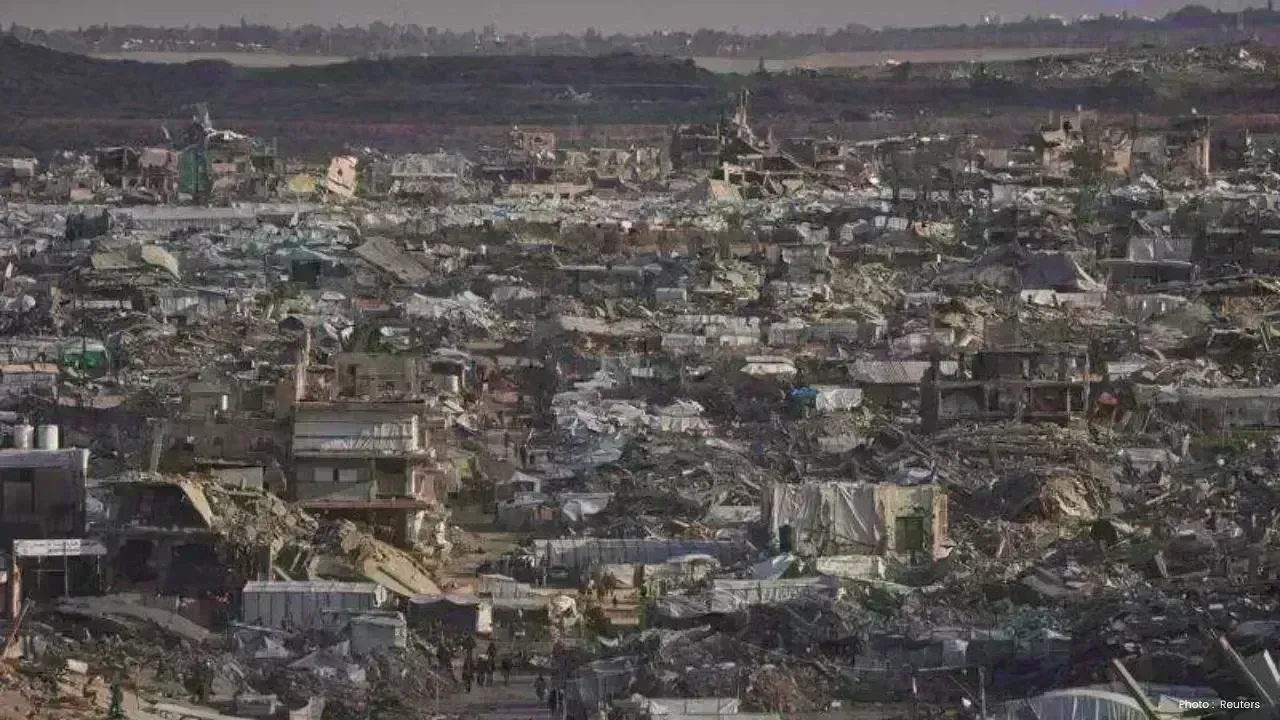
Rebuilding Gaza presents another major challenge. Much of the territory has been destroyed, most of its two million people are displaced, and unemployment is widespread. The United Nations estimates reconstruction will cost around $70 billion. No clear funding plan has been announced, leaving doubts about how and when rebuilding can begin.
Israeli troop withdrawals are also uncertain. Israel currently controls more than half of Gaza and says future withdrawals will depend on progress toward demilitarization. There are no firm timelines, and Israel may refuse to pull back further if it believes security risks remain.
The plan also calls for reforming the Palestinian Authority and creating conditions for future Palestinian statehood. Palestinian officials say reforms are underway, but Israel strongly opposes the creation of a Palestinian state and rejects any role for the authority in Gaza. Without a real political horizon, Palestinian public support for the plan could quickly fade.
Trump’s ceasefire plan offers a bold vision, but vision alone is not enough. Without clear timelines, firm commitments, and trust among deeply divided parties, the second phase could stall or collapse. Gaza’s future now depends on whether diplomacy can overcome decades of conflict, mistrust, and unmet promises.
As the plan moves forward, the coming weeks will be crucial. They will show whether this effort leads to lasting peace and recovery, or whether Gaza will once again fall back into uncertainty, hardship, and violence.







The Impact of Consistent Small Investments on Wealth Building
Discover how investing small amounts regularly can positively transform your financial future over t

7.5 Magnitude Earthquake Strikes Japan, Tsunami Alerts Issued
Japan experiences a hefty 7.5 quake, prompting tsunami alerts and safety measures. Stay updated on a
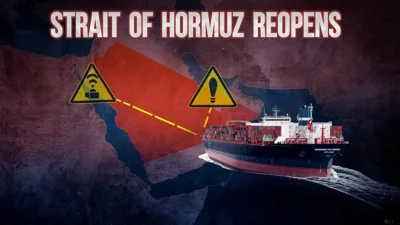
Reopening of the Strait of Hormuz: New Regulations to Impact Global Trade
Iran reopens the strategic Strait of Hormuz with new regulations affecting oil transport and global

Top 10 Must-See Attractions in NYC for First-Time Explorers
Discover essential experiences for first-time visitors to NYC, including attractions, culture, and i

Starbucks Engages Boyu Capital for Major Chinese Expansion
Starbucks teams up with Boyu Capital, selling a majority stake to boost growth and adapt to the Chin

Three Individuals Charged in Massive Meth Trafficking Case in Malaysia
In Malaysia, a married couple and another suspect are charged with trafficking 510kg of meth, facing