Post by : Shakul
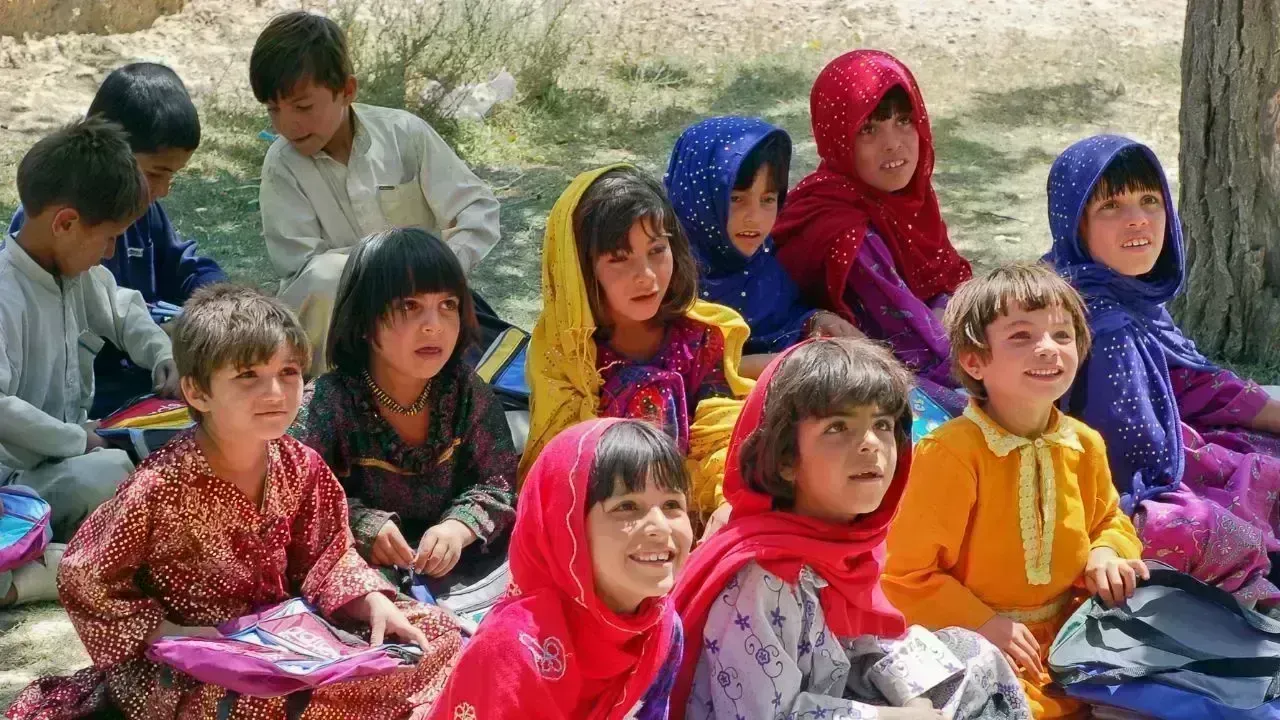
The United Nations has voiced significant apprehension regarding a new law introduced by the Taliban government in Afghanistan, which critics argue could enable child marriage and further undermine women and girls' rights throughout the nation.
Known as Decree No. 18, the contentious law, published by the justice ministry, outlines regulations concerning marital separation and family disputes. Human rights advocates alongside UN officials fear that various aspects of this decree implicitly allow child marriage by interpreting the silence of girls post-puberty as consent for marriage.
The United Nations Assistance Mission in Afghanistan has stated that this decree raises alarming issues about free consent and child protection. UN representatives point out that it mirrors a troubling trend of increasing restrictions imposed on Afghan women and girls following the Taliban’s resurgence in power in 2021.
The decree also details conditions under which young brides might seek to annul their marriage contracts upon reaching puberty. However, critics contend that the legal process is skewed, as men maintain greater authority in decisions regarding divorce and separation.
Reportedly, women pursuing separation encounter rigid judicial processes and limited legal assistance. The law stipulates that if a husband refutes a wife’s divorce request, his statements may be accepted as valid in specific circumstances, complicating women's efforts to obtain legal protections.
In response to the outcry, the Taliban has dismissed the criticism, defending the decree as aligned with Islamic principles. Taliban spokesperson Zabihullah Mujahid stated that Afghanistan already has prohibitions against forced marriages and claimed investigations into thousands of such cases have been carried out in the past year.
This situation has attracted renewed international focus on the plight of women in Afghanistan. Since seizing control, the Taliban regime has imposed numerous restrictions on women, including bans on secondary education, university attendance, various job opportunities, and access to public recreational areas.
UN officials have cautioned that ongoing limitations on women's education and societal engagement could exacerbate poverty and hinder Afghanistan’s sustainable development. Human rights organizations have urged the global community to maintain pressure on the Taliban to safeguard fundamental rights for women and children.
The introduction of this latest decree has reignited worldwide discussions regarding gender equality, child safety, and legal rights in Afghanistan under Taliban governance.






Anticipated Dates for UAE Eid Al Adha 2026 Unveiled by Astronomical Experts
Experts predict Eid Al Adha 2026 in the UAE to start on May 27, prompting early holiday planning amo

DAE Achieves Remarkable Growth in Q1 2026 With Record Revenue
Dubai Aerospace Enterprise announces impressive financial results for Q1 2026, reflecting a surge in

Price Increase for Sony PS5 in Southeast Asia Effective May 1
Sony announces a price increase for the PS5 across Southeast Asia starting May 1, 2026, impacting ga

Potential ‘Super El Niño’ in 2026: Understanding the Climate Risks
Could a Super El Niño emerge in 2026? Discover its implications and potential global climate impacts

Global Energy Crisis Intensifies: Markets React to Oil Supply Challenges
Markets are on edge as oil disruptions escalate, influencing prices and economic stability. Explore

Must-See Tourist Spots in London You Can't Overlook
Explore London's essential attractions, from royal landmarks to vibrant markets, ensuring an unforge




