Post by : Saif Nasser
The war between Ukraine and Russia has entered a new phase where technology, not just traditional weapons, is shaping the battlefield. One of the most important changes is the growing use of drones. What began as a challenge for Ukraine has now turned into a powerful example of innovation under pressure.
In recent years, Russia has used large numbers of Iranian-designed Shahed drones to attack Ukrainian cities and infrastructure. These drones are cheap, easy to produce, and can be launched in waves, making them difficult to stop. At the beginning of the war, Ukraine struggled to defend itself against these attacks.
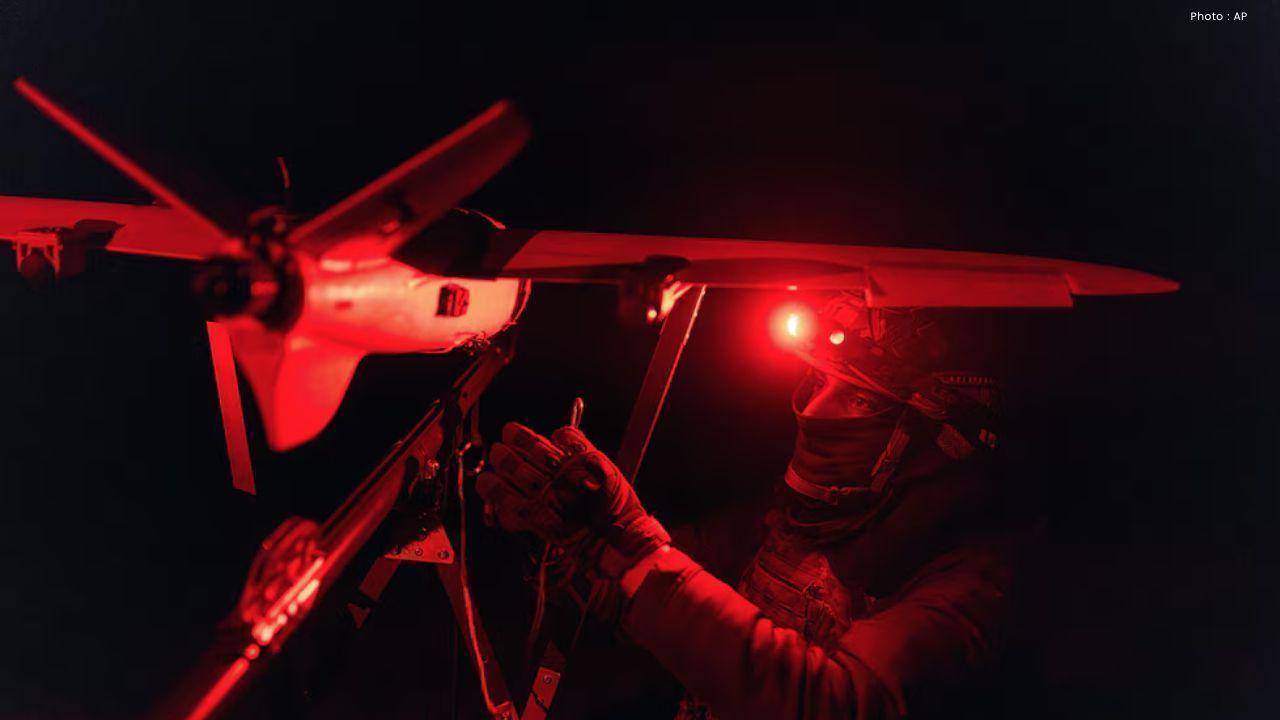
But instead of giving up, Ukraine adapted quickly. Soldiers, engineers, and volunteers worked together to develop a new kind of defense — low-cost interceptor drones. These drones are designed to chase and destroy enemy drones in the air, often by crashing into them or exploding nearby.
Today, Ukraine’s front lines have become a testing ground for these new ideas. Small teams of soldiers constantly test and improve their drones, making changes based on real battlefield experience. This has turned the war zone into what experts now call a “laboratory” for drone innovation.
One of the biggest advantages of these interceptor drones is their low cost. Traditional air defense systems, such as missile systems, are very expensive and limited in number. In contrast, Ukraine’s drones can be built at a fraction of the cost. Some models cost only a few thousand dollars, making it possible to produce them in large numbers.
This cost difference is important. A single advanced missile can cost millions of dollars, while the drones they are used to destroy may cost much less. By using cheaper interceptor drones, Ukraine is finding a more practical and sustainable way to defend itself.
Speed is another key factor. These interceptor drones can fly at very high speeds, allowing them to catch up with incoming threats. Some are capable of reaching over 200 kilometers per hour, which is fast enough to intercept many types of attack drones.
The success of this strategy has been significant. Ukrainian forces have managed to shoot down a large number of incoming drones using these systems. Over time, the technology has improved, making the defenses more reliable and effective.
What makes this development even more interesting is how it was created. Unlike traditional weapons, which are usually developed by large defense companies, many of these drones were designed by small teams working close to the battlefield. Soldiers themselves often play a role in testing and improving the designs.
This close cooperation between the military and local developers has helped Ukraine respond quickly to changing threats. Instead of waiting years for new weapons, they can adapt in real time.
The impact of this innovation is now being felt beyond Ukraine. Countries in the Middle East and elsewhere are showing interest in these low-cost drone defense systems. Many of them also face threats from similar types of drones and are looking for affordable solutions.
Ukraine has even started sharing its expertise with some partner countries. This shows how a country under attack has managed to turn its experience into valuable knowledge for others.
From an editorial point of view, this situation highlights a major shift in modern warfare. Wars are no longer fought only with tanks and fighter jets. Instead, small, affordable technologies like drones are becoming just as important.
This change also raises important questions. If low-cost drones can cause so much damage, and if simple interceptor systems can stop them, then the future of defense may depend more on innovation than on expensive weapons.
At the same time, this trend can be dangerous. As drone technology becomes more common, it may spread to more conflicts around the world. This could make wars more unpredictable and harder to control.
There is also a human side to this story. Behind every drone, there are people — soldiers trying to defend their country, engineers working under pressure, and civilians living in fear of attacks. Technology may change the way wars are fought, but it does not reduce the suffering caused by conflict.
In conclusion, Ukraine’s response to Russia’s drone attacks shows how creativity and determination can make a difference even in the toughest situations. By developing low-cost interceptor drones, Ukraine has not only improved its own defenses but also changed the way the world thinks about modern warfare.
As the war continues, one thing is clear: the battlefield of the future will not just be about firepower. It will be about who can adapt faster, think smarter, and use technology more effectively.





Mattel Revives Masters of the Universe Action Figures Ahead of Film Launch
Mattel is reintroducing Masters of the Universe figures in line with its upcoming film, tapping into

China Executes 11 Members of Criminal Clan Linked to Myanmar Scam
China has executed 11 criminals associated with the Ming family, known for major scams and human tra
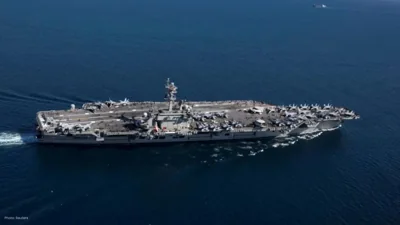
US Issues Alarm to Iran as Military Forces Deploy in Gulf Region
With a significant military presence in the Gulf, Trump urges Iran to negotiate a nuclear deal or fa

Copper Prices Reach Unprecedented Highs Amid Geopolitical Turmoil
Copper prices soar to all-time highs as geopolitical tensions and a weakening dollar boost investor

New Zealand Secures First Win Against India, Triumph by 50 Runs
New Zealand won the 4th T20I against India by 50 runs in Vizag. Despite Dube's impressive 65, India