Post by : Saif Nasser
The United Kingdom is beginning to feel the economic effects of the ongoing conflict in the Middle East. New data shows that inflation in the UK has risen to 3.3 percent, highlighting how global events can quickly affect everyday life. The increase may seem small at first, but it carries a deeper message about rising costs and growing uncertainty.
According to official figures, inflation rose from 3.0 percent in February to 3.3 percent in March. The main reason behind this increase is the sharp rise in fuel prices. Petrol and diesel costs jumped significantly during the month, marking one of the biggest increases seen in recent years.
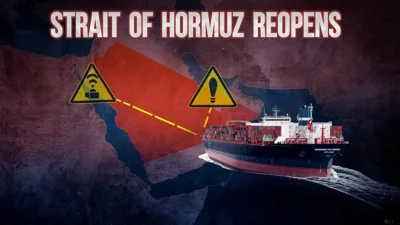
This rise in fuel prices is closely linked to the ongoing Iran war. The conflict has disrupted global energy supplies, especially through key routes like the Strait of Hormuz. Since a large portion of the world’s oil passes through this region, any disruption causes prices to rise quickly.
When fuel prices go up, the effects spread across the economy. Transport becomes more expensive, which increases the cost of goods and services. Businesses may pass these costs on to customers, leading to higher prices in shops. This is why inflation is often called a “chain reaction.”
For ordinary people, this means daily life becomes more expensive. From filling a car with fuel to buying groceries, costs can slowly rise. While a small increase may not seem serious, repeated rises over time can put pressure on household budgets.
The rise in inflation is also a challenge for the Bank of England. The central bank had hoped that inflation would move closer to its target of 2 percent. However, the latest data shows that prices are moving in the opposite direction. Experts now believe inflation could rise further in the coming months, possibly reaching around 3.5 percent or more.
This situation creates a difficult choice for policymakers. On one hand, they want to control inflation and keep prices stable. On the other hand, raising interest rates too much can slow down economic growth. Finding the right balance is not easy, especially during a global crisis.
Another concern is the risk of “stagflation.” This is a situation where inflation is high, but economic growth is slow. Some economists believe that the current energy shock could push the UK in that direction if the conflict continues.
The impact of the Iran war is not limited to the UK. Many countries around the world are facing similar challenges. Rising oil prices are affecting industries, transport systems, and even food production. This shows how connected the global economy has become.
From an editorial point of view, this situation highlights an important lesson. Events in one region can quickly affect economies across the world. It also shows the importance of energy security. Countries that depend heavily on imported fuel are more vulnerable to global shocks.
There is also a need to look at long-term solutions. Investing in renewable energy, improving energy efficiency, and reducing dependence on unstable regions can help reduce future risks. While such changes take time, they are important for building a more stable economy.
At the same time, governments must support people who are most affected. Rising prices hit low-income households the hardest. Measures such as subsidies, tax relief, or targeted support can help reduce the burden.
The increase in UK inflation is not just a number. It is a sign of deeper changes happening in the global economy. The Iran war has shown how quickly markets can react and how far-reaching the effects can be.
As the situation develops, much will depend on how the conflict unfolds. If tensions ease, prices may stabilize. But if the crisis continues, the pressure on inflation is likely to grow.
In the end, this moment serves as a reminder that economic stability depends not only on domestic policies but also on global peace. The link between conflict and cost of living is now clearer than ever.







Price Increase for Sony PS5 in Southeast Asia Effective May 1
Sony announces a price increase for the PS5 across Southeast Asia starting May 1, 2026, impacting ga

Potential ‘Super El Niño’ in 2026: Understanding the Climate Risks
Could a Super El Niño emerge in 2026? Discover its implications and potential global climate impacts

Global Energy Crisis Intensifies: Markets React to Oil Supply Challenges
Markets are on edge as oil disruptions escalate, influencing prices and economic stability. Explore

Must-See Tourist Spots in London You Can't Overlook
Explore London's essential attractions, from royal landmarks to vibrant markets, ensuring an unforge

Ultimate Guide to Snagging Cheap Flights in 2026
Unlock the secrets to booking affordable flights in 2026 with insightful tips and strategies tailore

The Impact of Consistent Small Investments on Wealth Building
Discover how investing small amounts regularly can positively transform your financial future over t