Post by : Shweta
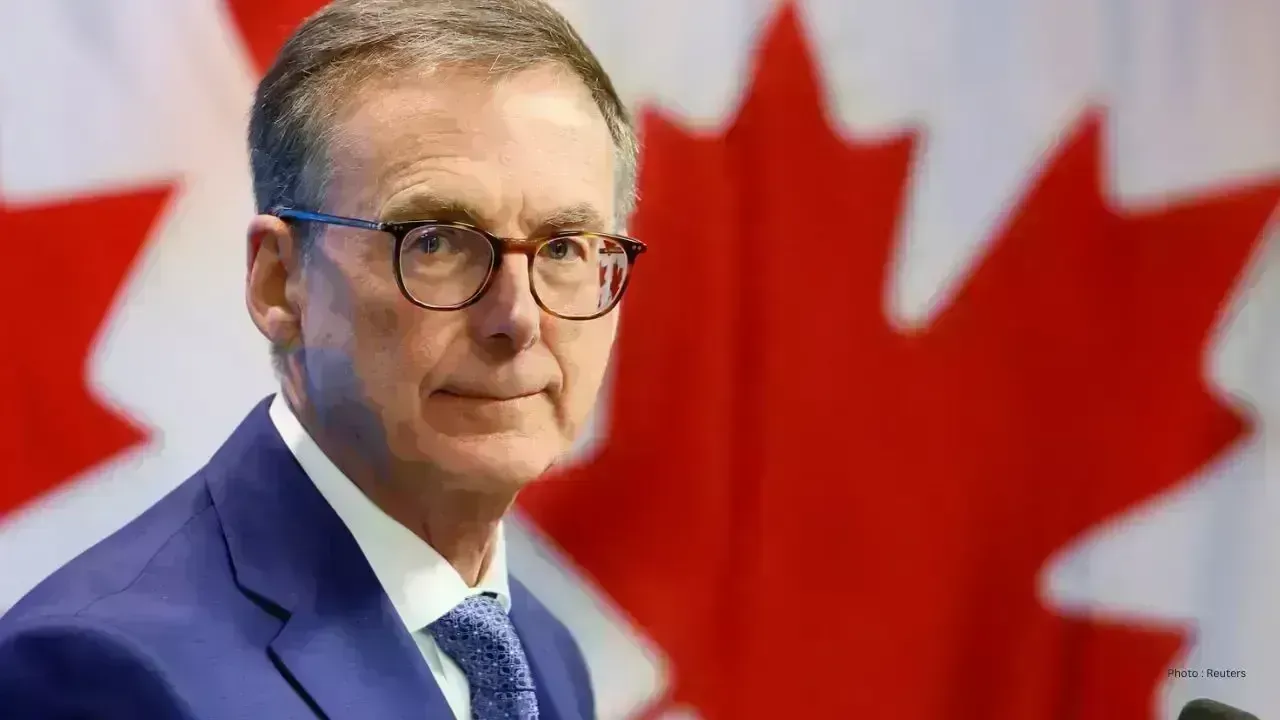
In light of rising global uncertainties, the Bank of Canada is poised to keep its key interest rate stable as it weighs mounting pressures from international conflicts and trade dynamics. Market analysts predict that Governor Tiff Macklem and his team will maintain the rate at 2.25% in their forthcoming decision, marking the fourth consecutive time they have opted for no change in monetary policy.
The central bank faces the difficult task of managing inflation pressures, mainly driven by escalating oil prices linked to ongoing geopolitical tensions involving Iran, against the backdrop of an economic downturn exacerbated by U.S. tariffs on Canadian exports. This complicated scenario complicates the decision-making process for policymakers regarding the interest rate trajectory.
Recent statistics indicate that Canada's inflation rate reached 2.4% in March, significantly influenced by escalating gasoline prices. However, the core inflation rate—excluding volatile categories like food and energy—remains subdued at 1.9%, suggesting that overall price pressures are still manageable. This equilibrium allows the central bank to proceed with caution instead of hastily increasing rates.
Officials have previously mentioned that they might overlook temporary inflation spikes resulting from external factors like rising oil prices. Nonetheless, concerns are growing that if high energy costs persist, they could start to affect long-term inflation expectations, possibly necessitating stricter monetary policies in the future.
Concurrently, signs of weakness are evident in Canada’s economic growth. The economy reportedly expanded by approximately 1.5% during the first quarter, reflecting the adverse effects of diminished exports due to U.S. tariffs impacting vital industries such as steel, aluminum, automobiles, and forestry. Additionally, a slowdown in population growth has contributed to the reduced economic pace.
Economists predict that the Bank of Canada will likely uphold a cautious stance as concrete evidence of sustained inflation remains scarce, along with ongoing growth challenges. The ambiguity stemming from Middle Eastern conflicts and fluctuating oil prices further reinforces this prudent outlook.
Given its position as a key energy exporter, Canada might derive benefits from higher oil prices through increased revenue, potentially bolstering economic activities. Nevertheless, analysts argue that this favorable impact hinges on whether companies will reinvest these profits into the economy, a trend that has yet to become apparent.
The upcoming monetary policy report is anticipated to shed light on the Bank of Canada’s perspective regarding inflationary trajectories and economic growth in the upcoming months. However, due to the volatile nature of global conditions, strong predictive guidance on future interest rate changes is unlikely from policymakers at this point.
In conclusion, the central bank is expected to sustain its current policy strategy while vigilantly tracking changing economic circumstances, reflecting a careful balance between curbing inflation and fostering growth.









Price Increase for Sony PS5 in Southeast Asia Effective May 1
Sony announces a price increase for the PS5 across Southeast Asia starting May 1, 2026, impacting ga

Potential ‘Super El Niño’ in 2026: Understanding the Climate Risks
Could a Super El Niño emerge in 2026? Discover its implications and potential global climate impacts

Global Energy Crisis Intensifies: Markets React to Oil Supply Challenges
Markets are on edge as oil disruptions escalate, influencing prices and economic stability. Explore

Must-See Tourist Spots in London You Can't Overlook
Explore London's essential attractions, from royal landmarks to vibrant markets, ensuring an unforge

Ultimate Guide to Snagging Cheap Flights in 2026
Unlock the secrets to booking affordable flights in 2026 with insightful tips and strategies tailore

The Impact of Consistent Small Investments on Wealth Building
Discover how investing small amounts regularly can positively transform your financial future over t