Post by : Shweta
President Donald Trump has voiced his displeasure regarding Iran's recent suggestion aimed at resolving the ongoing discord, dampening expectations for a prompt diplomatic solution. This proposal, set forth by Abbas Araqchi, advocates for deferring negotiations on Iran's nuclear agenda until the war concludes and maritime disputes in the Gulf are resolved.
U.S. officials indicate that Trump is not prepared to entertain any agreement that neglects to tackle nuclear matters from the outset. The White House has reaffirmed its steadfast stance, with officials reiterating that nuclear issues are fundamental to any possible resolution framework.
The ongoing conflict, which ignited earlier this year with tensions primarily between the United States and Israel on one side and Iran on the other, has already resulted in dire global ramifications. Reports suggest that thousands have died, while key energy routes face disruptions, leading to soaring oil prices and heightened inflation globally. Uncertainty in international markets has surged, particularly due to diminished oil shipments via the strategically crucial Strait of Hormuz.
Iran's proposal advocates for a stepwise negotiation approach. The initial phase seeks an immediate cessation of hostilities alongside assurance that fighting will not resume, as well as the lifting of the U.S. naval blockade impacting Iranian oil exports. Only after these steps would discussions shift to more complex topics like Iran's nuclear ambitions and its appeal for acknowledgment of its right to enrich uranium.
However, the U.S. has rebuffed this sequence, causing a standstill in diplomatic efforts. Recent cancellations of planned visits by key U.S. envoys to regional mediators highlight the growing frustration within the administration. Concurrently, Iran has been proactively courting alliances, including engagements with Russia, to bolster its diplomatic standing.
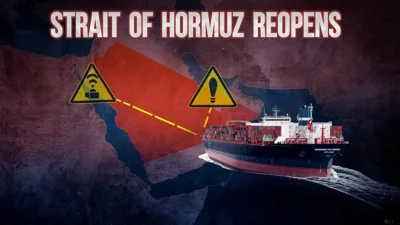
The discord has significantly affected global oil shipments, with reports suggesting several tankers transporting Iranian oil have had to turn back due to U.S. enforcement actions. Ship traffic through the critical Strait of Hormuz has plummeted, with only a scant number of vessels traversing the route compared to over a hundred daily before hostilities escalated.
Iran has denounced U.S. activities as unlawful interference, announcing preparations for alternative trade pathways to decrease reliance on Gulf routes. Despite these countermeasures, ongoing disruptions continue to impact global energy markets, further driving up oil prices.
As tensions intensify and both factions maintain their respective stances, the prospects of a speedy resolution appear increasingly dim. The contention over whether nuclear concerns should be prioritized or postponed has emerged as a pivotal hurdle, leaving the situation in a drawn-out phase fraught with significant global ramifications.






Price Increase for Sony PS5 in Southeast Asia Effective May 1
Sony announces a price increase for the PS5 across Southeast Asia starting May 1, 2026, impacting ga

Potential ‘Super El Niño’ in 2026: Understanding the Climate Risks
Could a Super El Niño emerge in 2026? Discover its implications and potential global climate impacts

Global Energy Crisis Intensifies: Markets React to Oil Supply Challenges
Markets are on edge as oil disruptions escalate, influencing prices and economic stability. Explore

Must-See Tourist Spots in London You Can't Overlook
Explore London's essential attractions, from royal landmarks to vibrant markets, ensuring an unforge

Ultimate Guide to Snagging Cheap Flights in 2026
Unlock the secrets to booking affordable flights in 2026 with insightful tips and strategies tailore

The Impact of Consistent Small Investments on Wealth Building
Discover how investing small amounts regularly can positively transform your financial future over t