Post by : Saif Nasser
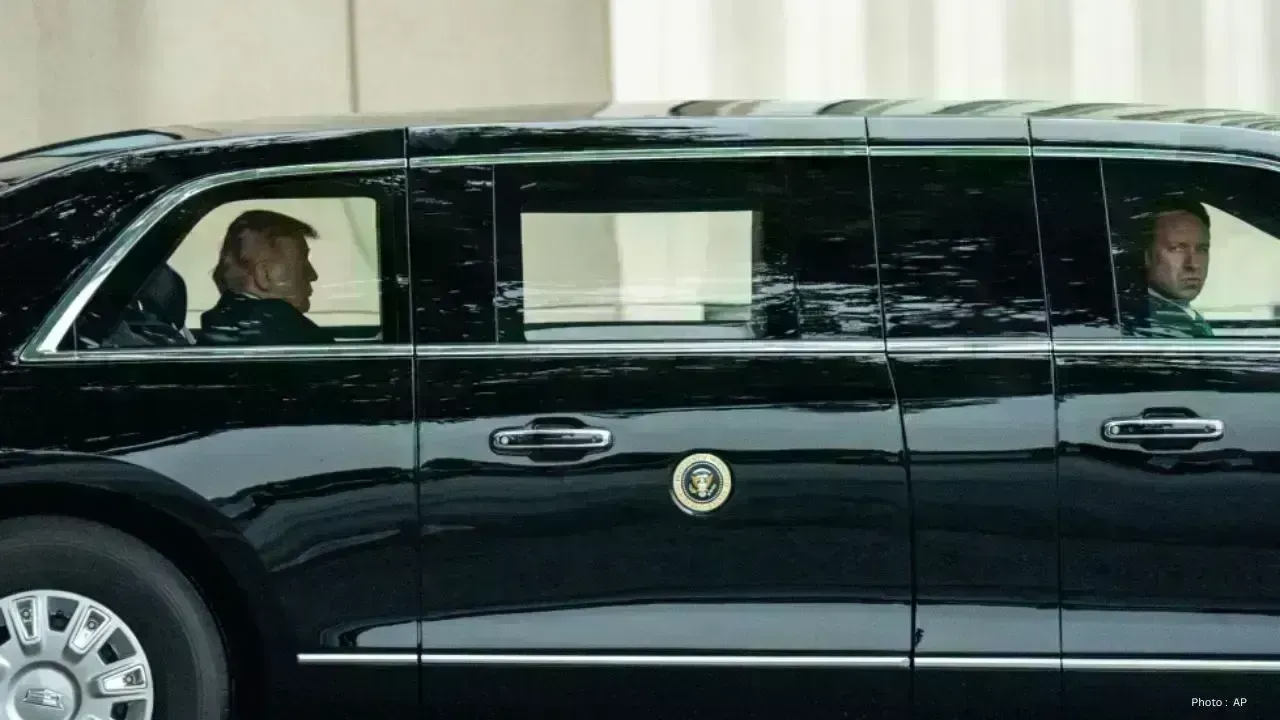
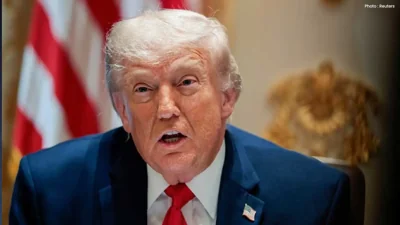
Donald Trump reportedly reviewed the Iran nuclear issue during a cabinet meeting, drawing attention to ongoing concerns surrounding international security, diplomacy, and regional stability. The discussion highlighted how nuclear policy continues to remain one of the most sensitive subjects in global politics.
The meeting focused on developments connected to Iran’s nuclear activities and the possible impact on international relations. American officials continue monitoring the situation closely because of concerns linked to uranium enrichment, regional security, and future diplomatic negotiations.
For many years, Iran’s nuclear program has remained a major issue in global diplomacy. Several countries have raised concerns about nuclear development and the possibility of increased instability if negotiations fail to produce long-term solutions.
The cabinet discussion reportedly included conversations about diplomatic strategies, sanctions, and international cooperation. Security experts believe such meetings are important because decisions related to nuclear policy can affect military planning, economic stability, and foreign relations.
Relations between Washington and Tehran have remained difficult for decades. Political disagreements, sanctions, and military tensions have repeatedly complicated diplomatic efforts between both countries.
International agreements connected to Iran’s nuclear activities have faced several challenges over the years. Earlier diplomatic arrangements were designed to limit nuclear development in exchange for economic relief and reduced sanctions. However, disagreements over compliance and political changes later created uncertainty around those agreements.
Global observers believe the issue remains highly important because any escalation could influence not only regional security but also international trade and energy markets. Political instability often affects oil prices, transportation routes, and investor confidence.
Economic sanctions imposed on Iran have already had a major effect on trade and financial activity. These restrictions have influenced both domestic economic conditions and international commercial relationships.
Political analysts say cabinet-level meetings involving nuclear policy show how seriously governments treat the issue. Matters related to international security usually require coordination between defense officials, diplomats, intelligence agencies, and economic advisers.
The nuclear debate is also linked to wider geopolitical developments involving regional conflicts, military alliances, and strategic competition among global powers. Events in surrounding regions continue shaping international diplomatic decisions.
Experts continue emphasizing the importance of dialogue and diplomatic communication. Even during periods of disagreement, negotiations are often considered necessary for reducing risks and avoiding military escalation.
Public opinion remains divided in many countries regarding how governments should respond to Iran’s nuclear activities. Some support stronger diplomatic engagement and negotiated agreements, while others favor increased sanctions and stricter pressure.
International organizations have repeatedly encouraged peaceful negotiations and transparent monitoring systems aimed at preventing nuclear escalation. Global institutions continue calling for restraint and diplomatic solutions.
Security specialists warn that long-term uncertainty surrounding nuclear policy can increase pressure on international markets and regional stability. Investors and businesses closely monitor geopolitical developments because they can influence trade, energy costs, and economic planning.
The discussion also reflects the continuing importance of foreign policy issues in American political debates. Nuclear diplomacy remains closely connected to national security and global strategic interests.
Observers believe future negotiations will require patience, international cooperation, and clear communication between all sides involved. Building trust after years of political disagreements remains one of the biggest challenges facing diplomatic efforts.
Economic experts note that geopolitical tensions often create uncertainty for businesses and financial markets. Stable diplomatic relations are generally viewed as important for supporting long-term economic confidence and global trade.
The latest cabinet meeting demonstrates that concerns surrounding Iran’s nuclear activities continue influencing international diplomacy and strategic planning. Governments around the world remain focused on finding ways to balance security concerns with diplomatic engagement.




Meta Unveils Subscription Plans for Instagram, Facebook, and WhatsApp
Meta introduces new subscription plans for users of Instagram, Facebook, and WhatsApp, featuring enh

Suvarna Joy on Education Leadership, Resilience, and Building Purpose Through Adversity in the UAE
Suvarna Joy shares her journey of education leadership, motherhood, faith, and resilience within the

Anticipated Dates for UAE Eid Al Adha 2026 Unveiled by Astronomical Experts
Experts predict Eid Al Adha 2026 in the UAE to start on May 27, prompting early holiday planning amo

DAE Achieves Remarkable Growth in Q1 2026 With Record Revenue
Dubai Aerospace Enterprise announces impressive financial results for Q1 2026, reflecting a surge in

Price Increase for Sony PS5 in Southeast Asia Effective May 1
Sony announces a price increase for the PS5 across Southeast Asia starting May 1, 2026, impacting ga

Potential ‘Super El Niño’ in 2026: Understanding the Climate Risks
Could a Super El Niño emerge in 2026? Discover its implications and potential global climate impacts




