Post by : Shweta
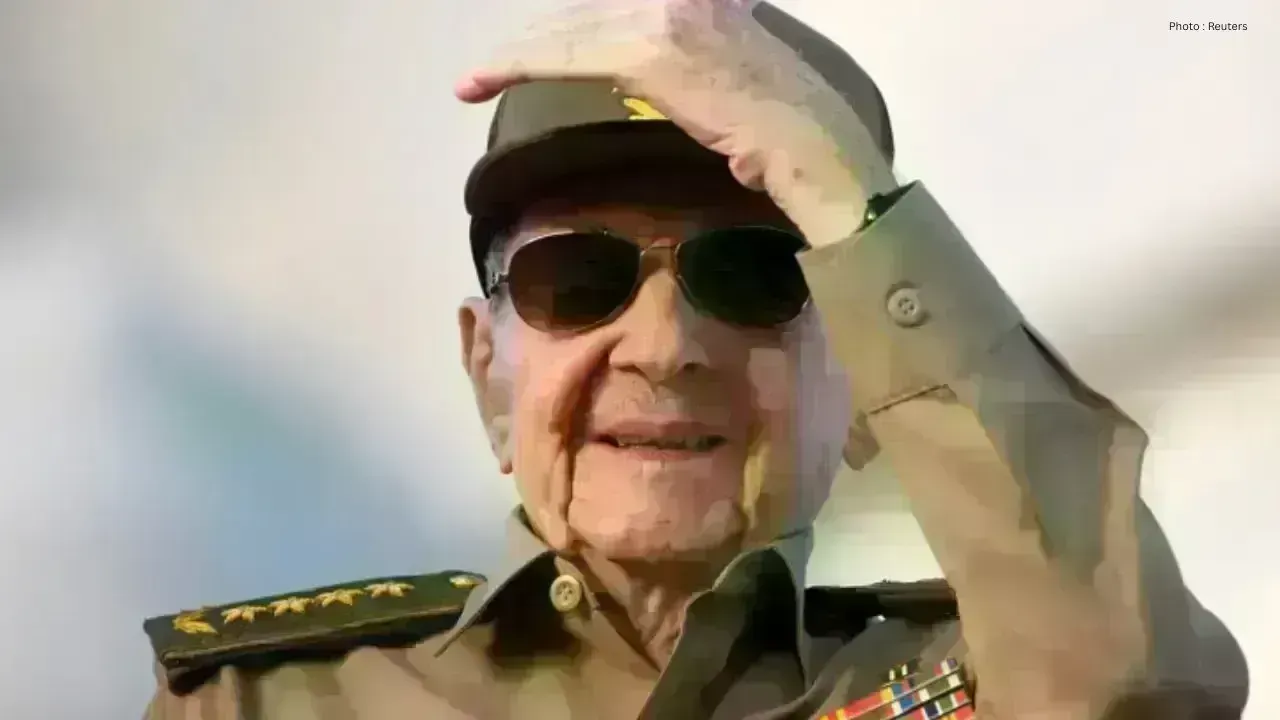
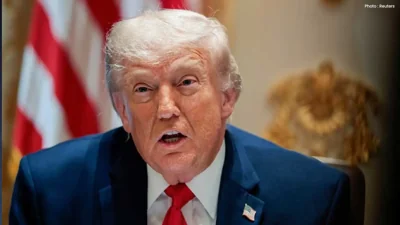
The spotlight is back on US-Cuba relations as tensions flare following remarks from US President Donald Trump regarding former Cuban leader Raul Castro. This situation serves as a reminder of the intricate and often contentious history between the two nations, which have endured a strained political relationship for over sixty years.
Raul Castro, who held the presidency of Cuba from 2008 until 2018, significantly impacted the nation’s communist regime after succeeding his brother, Fidel Castro. Under his leadership, the Cuban government maintained strict political oversight and resisted American influence in the area. Conversely, the United States imposed a series of economic sanctions and trade limitations due to ongoing concerns related to human rights and political repression during the Cold War.
A notable shift occurred under former President Barack Obama’s administration when, in 2014, steps were taken to restore diplomatic ties with Cuba after decades of animosity. This period saw the reopening of embassies, relaxation of travel restrictions, and increased economic collaboration, recognized as a historic milestone in their relationship.
However, this thawing of relations cooled once more with Donald Trump's presidency beginning in 2017, which ushered in more stringent policies against Cuba. The Trump administration enforced harsher travel regulations and financial sanctions, leading to further restrictions on business dealings with the Cuban government. Trump pointedly accused Cuban authorities of violating political freedoms and endorsing anti-US sentiments in Latin America, asserting that a firmer stance was necessary to advocate for democratic reforms on the island.
Recent developments surrounding Raul Castro have intensified the political dialogue surrounding US-Cuba relations. Advocates for a tougher US policy argue that increased international scrutiny is warranted regarding human rights issues and governmental control in Cuba. Conversely, Cuban officials dismiss US criticisms, labeling them as unwarranted interference in their domestic affairs.
Experts note that the dynamics between Washington and Havana are heavily influenced by historical contexts, political intricacies, immigration challenges, and enduring economic sanctions. The longstanding US trade embargo, first instituted during the Cold War, continues to be a pivotal source of discord between the two nations, deeply affecting many Cuban lives through economic struggles linked to trade limitations.
As migration between Cuba and the US takes on increasing significance, many Cubans have ventured abroad seeking improved prospects due to the country’s economic difficulties. American officials are simultaneously addressing border security, migration management, and regional stability alongside their Cuban policies.
Political analysts suggest that the future of US-Cuba relations will be heavily contingent upon leadership choices in both countries and evolving global circumstances. While some advocate for renewed diplomatic initiatives, others persist in endorsing stringent sanctions and political pressuring. Ultimately, recent events involving Raul Castro serve to underline the delicate and often turbulent state of US-Cuba ties.

Meta Unveils Subscription Plans for Instagram, Facebook, and WhatsApp
Meta introduces new subscription plans for users of Instagram, Facebook, and WhatsApp, featuring enh

Suvarna Joy on Education Leadership, Resilience, and Building Purpose Through Adversity in the UAE
Suvarna Joy shares her journey of education leadership, motherhood, faith, and resilience within the

Anticipated Dates for UAE Eid Al Adha 2026 Unveiled by Astronomical Experts
Experts predict Eid Al Adha 2026 in the UAE to start on May 27, prompting early holiday planning amo

DAE Achieves Remarkable Growth in Q1 2026 With Record Revenue
Dubai Aerospace Enterprise announces impressive financial results for Q1 2026, reflecting a surge in

Price Increase for Sony PS5 in Southeast Asia Effective May 1
Sony announces a price increase for the PS5 across Southeast Asia starting May 1, 2026, impacting ga

Potential ‘Super El Niño’ in 2026: Understanding the Climate Risks
Could a Super El Niño emerge in 2026? Discover its implications and potential global climate impacts




