Post by : Saif Nasser
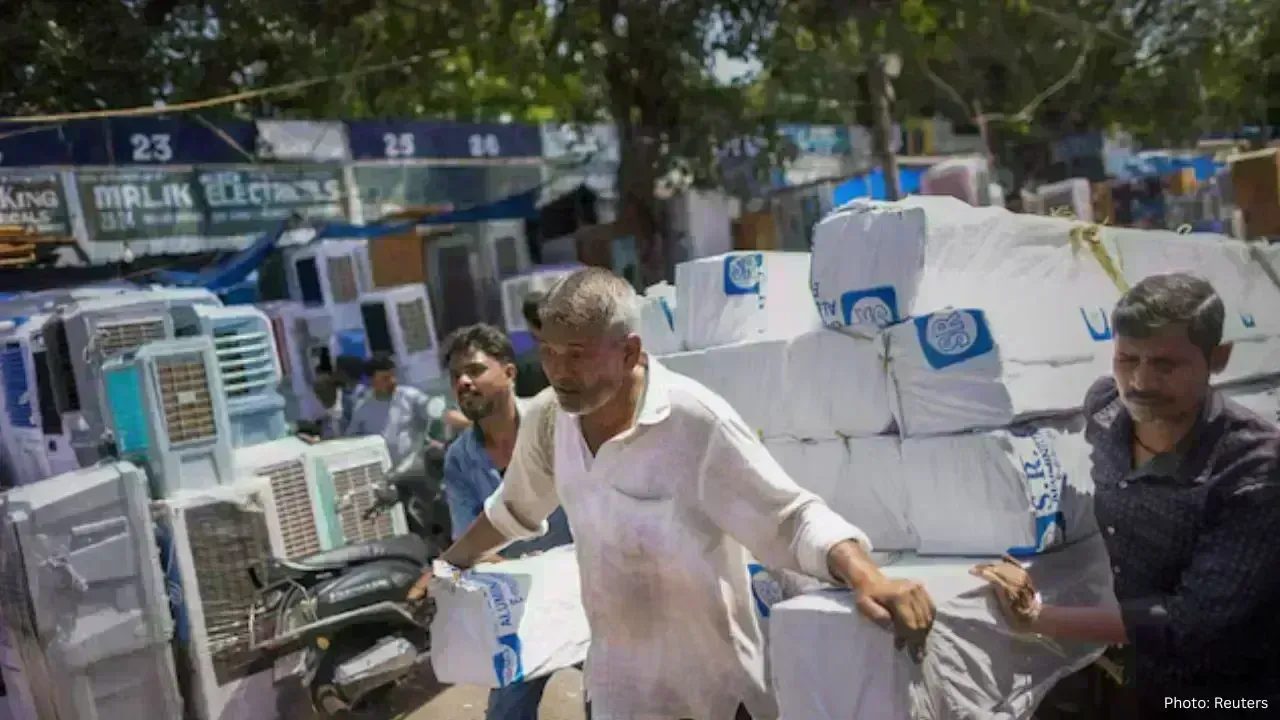
India is preparing for a challenging summer as weather experts warn of an above-average number of heatwave days in May. Rising temperatures across many parts of the country are expected to increase pressure on daily life, while also pushing electricity demand to new highs.
Heatwaves are not new to India, but their frequency and intensity have been increasing in recent years. This year, forecasts suggest that several regions will experience longer and more severe periods of extreme heat. Such conditions can affect health, agriculture, and overall economic activity.
One of the biggest concerns is the rising demand for electricity. As temperatures climb, people rely more on cooling systems such as fans, coolers, and air conditioners. This leads to a sharp increase in power consumption, especially in cities where large populations depend on electrical appliances to cope with the heat.
Power companies are already preparing for this surge. Authorities are working to ensure that enough electricity is available to meet demand. However, managing supply during peak periods remains a major challenge. If demand rises too quickly, it can lead to power shortages or outages in some areas.
The situation is also linked to the availability of fuel used for power generation. Coal remains a major source of energy in India, and maintaining sufficient stock levels is important to keep power plants running smoothly. Any disruption in supply can affect electricity production and create further stress on the system.
Apart from energy concerns, heatwaves also pose serious health risks. High temperatures can lead to dehydration, heatstroke, and other health problems, especially for children, the elderly, and outdoor workers. Hospitals and health services may face increased pressure during such periods.
Farmers are another group that may be affected. Extreme heat can damage crops and reduce yields, especially if it comes during sensitive growth stages. This can have a long-term impact on food supply and prices.
Urban areas are particularly vulnerable because of the “heat island” effect, where buildings and roads absorb and retain heat, making cities warmer than surrounding areas. This increases the need for cooling and adds to electricity demand.
To manage these challenges, authorities have been advising people to take precautions. Staying hydrated, avoiding direct sunlight during peak hours, and using electricity carefully are some of the basic steps that can help reduce risks.
The situation also highlights the need for long-term planning. As climate patterns change, extreme weather events like heatwaves are becoming more common. This requires better infrastructure, improved energy systems, and greater awareness among the public.
Renewable energy sources such as solar power can play an important role in meeting rising demand. India has already made progress in this area, but further expansion is needed to reduce dependence on traditional energy sources.
The expected heatwave also raises questions about urban planning. Cities need more green spaces, better building designs, and improved cooling solutions to handle rising temperatures. Without these changes, the impact of heatwaves will continue to grow.
At a broader level, the situation reflects the link between climate change and daily life. Rising temperatures are not just a weather issue; they affect health, economy, and infrastructure.
As India moves into the peak summer season, the focus will be on managing both the heat and its effects. Ensuring a stable power supply, protecting public health, and supporting vulnerable groups will be key priorities.
The coming weeks will test how well systems are prepared to handle extreme conditions. With proper planning and awareness, the impact can be reduced, but the growing challenge of heatwaves is something that cannot be ignored.









DAE Achieves Remarkable Growth in Q1 2026 With Record Revenue
Dubai Aerospace Enterprise announces impressive financial results for Q1 2026, reflecting a surge in

Price Increase for Sony PS5 in Southeast Asia Effective May 1
Sony announces a price increase for the PS5 across Southeast Asia starting May 1, 2026, impacting ga

Potential ‘Super El Niño’ in 2026: Understanding the Climate Risks
Could a Super El Niño emerge in 2026? Discover its implications and potential global climate impacts

Global Energy Crisis Intensifies: Markets React to Oil Supply Challenges
Markets are on edge as oil disruptions escalate, influencing prices and economic stability. Explore

Must-See Tourist Spots in London You Can't Overlook
Explore London's essential attractions, from royal landmarks to vibrant markets, ensuring an unforge

Ultimate Guide to Snagging Cheap Flights in 2026
Unlock the secrets to booking affordable flights in 2026 with insightful tips and strategies tailore




