Post by : Raina Nasser
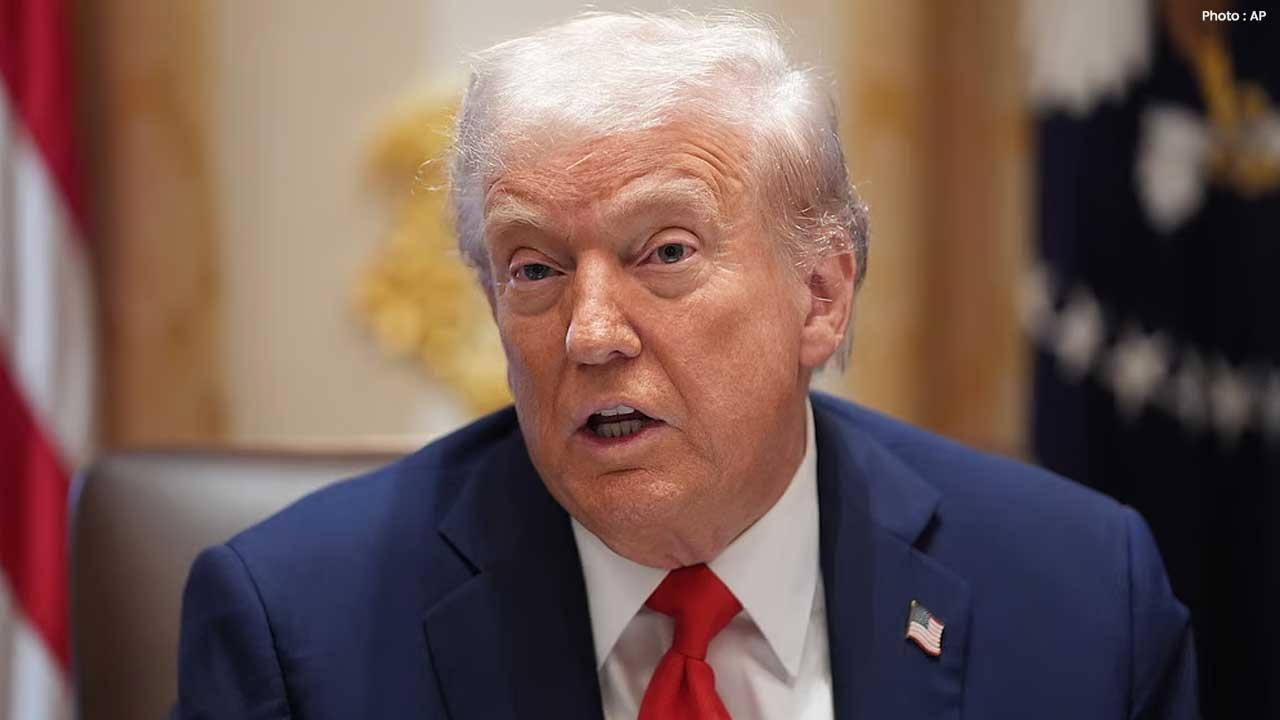
In a notable stance, US President Donald Trump has come to the defense of the H-1B visa program, asserting that the nation requires foreign talent to meet vital needs within sectors such as technology, defense, and engineering. His remarks arrive as criticisms of the visa structure persist, particularly following his administration's decision to introduce steep application fees.
When questioned on immigration policies, Trump recognized that while there is a push to prioritize American jobs, specific technical roles cannot be adequately fulfilled without skilled foreign workers.
“Talent must be brought in from outside,” Trump stated, reflecting on concerns regarding labor force capabilities. “Certain skills just aren’t available locally… You can’t simply pull someone off the unemployment line to manufacture missiles.”
This marks a significant tonal shift from prior hardline approaches that often scrutinized visa-dependent employment, especially the H-1B, which is notably utilized by many Indian tech professionals.
Current statistics reveal that Indian nationals comprised more than 70 percent of the issued H-1B visas in 2024, largely attributed to delays in processing and the substantial influx of skilled immigrants from India. This program permits US companies to hire foreign experts in fields like technology, healthcare, and engineering.
However, Trump's comments are not without controversy. Last September, his administration proposed a $100,000 application fee for new H-1B visas, eliciting backlash from the tech industry and advocates for global talent. This fee was part of a sweeping immigration reform initiative aimed at “protecting American jobs,” as described by officials.
Amid these developments, the US Department of Labor has initiated 175 investigations into potential abuses of the H-1B visa program through an effort labeled Project Firewall. This initiative seeks to uncover companies that might be leveraging the program for lower labor costs while neglecting qualified American workers.
Compounding this debate, Florida Governor Ron DeSantis has ordered state universities to gradually eliminate roles held by H-1B visa holders, positing that these positions should be filled by local residents. “Why are we importing H-1B workers when we have capable people here?” DeSantis questioned.
Despite mounting political challenges, Trump’s recent statements hint at a more reasoned and realistic perspective. “We need individuals with specialized skills. America can't dominate in technology and defense without harnessing the top talent available,” he affirmed.
The discussion surrounding H-1B visas remains a central theme in the political arena as the US navigates the tension between innovation and the preservation of domestic employment.


DAE Achieves Remarkable Growth in Q1 2026 With Record Revenue
Dubai Aerospace Enterprise announces impressive financial results for Q1 2026, reflecting a surge in

Price Increase for Sony PS5 in Southeast Asia Effective May 1
Sony announces a price increase for the PS5 across Southeast Asia starting May 1, 2026, impacting ga

Potential ‘Super El Niño’ in 2026: Understanding the Climate Risks
Could a Super El Niño emerge in 2026? Discover its implications and potential global climate impacts

Global Energy Crisis Intensifies: Markets React to Oil Supply Challenges
Markets are on edge as oil disruptions escalate, influencing prices and economic stability. Explore

Must-See Tourist Spots in London You Can't Overlook
Explore London's essential attractions, from royal landmarks to vibrant markets, ensuring an unforge

Ultimate Guide to Snagging Cheap Flights in 2026
Unlock the secrets to booking affordable flights in 2026 with insightful tips and strategies tailore




