Post by : Anees Nasser
Over recent years, the healthcare landscape in India has seen a remarkable evolution. Traditionally, families would seek medical assistance reactively, only turning to healthcare professionals when illness emerged. However, recent awareness and advancements in technology are ushering in a new focus on preventive health at home. This transition is not merely a trend but a significant cultural shift, underscoring a collective desire for sustainable wellness.
Preventive health practices are increasingly viewed as essential components of contemporary Indian wellness. Families now recognize the importance of early detection, monitoring vital signs, understanding risk factors, and fostering daily habits to guard against chronic diseases. With the rise in lifestyle-related health issues, this preventive approach has become a vital necessity rather than a luxury.
Nonetheless, the adoption of these measures varies significantly between urban and rural areas. Urban regions are swiftly integrating health tools and digital wellness resources, while rural localities still grapple with limited access and resources. Understanding these dynamics is crucial in shaping the future health narrative of India.
Preventive health has become an integral part of daily living, influencing household behaviours and the mindset of millions.
Decades ago, medical consultations were largely confined to clinics and hospitals, often postponed due to time constraints or expenses. Now, there’s a significant shift in India’s healthcare approach, with more households embracing at-home health screenings.
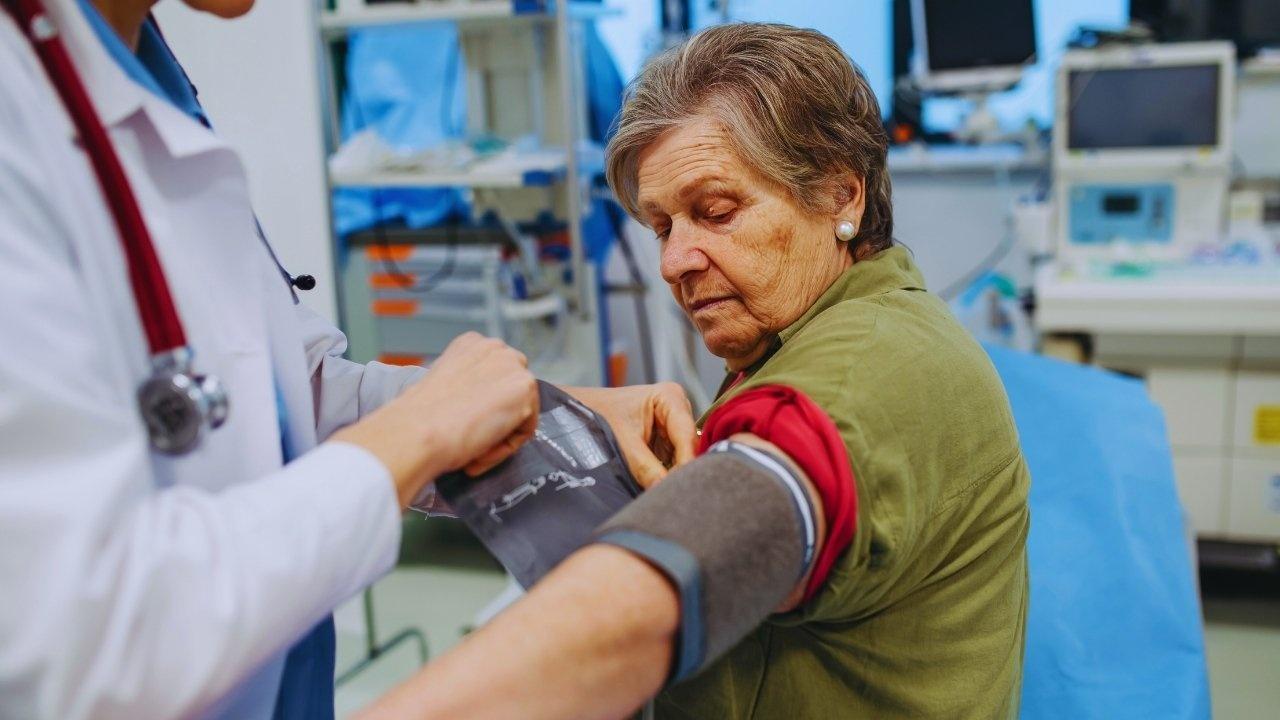
Affordable and accessible home screening devices—like blood-pressure monitors, glucometers, and pulse oximeters—are becoming common across Indian homes. These tools help individuals track vital health metrics in real time without needing to step out.
This evolution is crucial, particularly since lifestyle-related ailments like diabetes and heart issues often develop unnoticed. Early detection is vital for preventing serious complications, and at-home screening empowers families to respond proactively.
Affordability has significantly aided this shift; advancements in health tech have lowered device prices, making it feasible for middle-income families to invest in their health.
Home health equipment is now as common as kitchen utensils, reflecting a society gradually embracing personal responsibility for health.
India is currently facing a surge in lifestyle-related diseases driven by factors such as sedentary lifestyles, high stress, and poor eating habits. At-home preventive health initiatives encourage ongoing observation rather than reactive measures.
With the distressing costs associated with hospitalization, early detection can ease long-term expenses and empower individuals to manage their health effectively. This financial perspective has intensified the focus on preventive health practices.
Families have come to understand that health cannot be solely entrusted to medical professionals; the first line of defense rests in their hands and the choices they make daily.
Embracing preventive health allows individuals to take control of their habits and future health outcomes.
Preventive healthcare extends beyond devices; it intertwines deeply with daily habits. By 2025, many Indian families will actively cultivate routines that prioritize enduring health. These habits are fundamental to sustainable wellness, transitioning preventive care from theoretical concepts to practical applications.
Consistency is key. Modern awareness underscores that health is nurtured through small, daily efforts. Simple activities such as morning walks, yoga, and proper hydration are gaining importance. These practices reduce stress, boost immunity, and support metabolic health.
Nutrition has also emerged as a priority. Families are embracing home-cooked meals rich in vegetables, grains, and fruits while minimize processed foods. The kitchen is increasingly viewed as the primary venue for health.
Additionally, establishing healthy sleep routines is vital, with families acknowledging the necessity of restful sleep. Mental wellness practices, including journaling and meditation, are rising in popularity to combat anxiety.
Physical activity has become a staple, focusing on achievable fitness routines over costly gym memberships. The popularity of home workouts has made health more accessible to all.
These simple, consistent habits anchor preventive health, fostering gradual physical strength.
Healthcare is undergoing a digital transformation, with apps and platforms allowing families to monitor health metrics, manage medications, and assess lifestyle choices.
Remote consultations have become essential, increasingly allowing patients to connect with healthcare providers conveniently, which is especially beneficial for the elderly. Digital insights and electronic health records provide crucial and timely health guidance.
People are now equipped with data to better understand their health trends—monitoring blood pressure, glucose fluctuations, and overall well-being. This information empowers informed health choices.
Digital wellness tools do not replace healthcare professionals; they complement them by delivering precise health information, thereby enhancing preventive measures.
Despite advancements in preventive health, a stark rural-urban divide persists. While urban areas widely adopt health technologies, rural regions face obstacles in accessibility and knowledge.
Infrastructure remains a significant challenge, as many rural regions lack clinics and trained health personnel. Basic screenings may be unavailable.
Lack of awareness is another hurdle, as preventive health practices are less understood in rural communities, where medical visits typically occur only during severe illness. Limited education contributes to difficulties in embracing early detection.
Affordability also poses challenges, as devices, though cheaper, may still be beyond reach for economically vulnerable families. Often, immediate issues take precedence over long-term health investments.
Nonetheless, improvements are underway. Government initiatives, non-profit efforts, and mobile health camps are increasing awareness. Training community health workers to conduct screenings and promote telehealth services are bridging gaps.
The rural-urban divide is narrowing, though ongoing effort is necessary to ensure equitable access to preventive health.
Families across India are experiencing a transformative journey as preventive health practices become collective family efforts.
Parents advocate for their children's positive health habits. Elderly family members receive careful monitoring of their ongoing health. Professional lifestyles are balanced with wellness considerations, recognizing the importance of preventing burnout. Even homemakers are increasingly aware of their health needs.
Health discussions are becoming commonplace at home, leading to shared knowledge and encouragement around nurturing resilience and health. This familial openness is a crucial element in the advancement of preventive healthcare.
Health consciousness has transitioned into a family-oriented value rather than an individual duty.
Preventive healthcare not only enhances wellness but also alleviates financial burdens linked to severe health issues and hospitalizations. Families engaging in regular health monitoring can identify issues early, leading to cost-effective solutions.
Effective management of chronic conditions further mitigates long-term medication costs. Establishing healthy lifestyle habits significantly lowers the risk of costly diseases. Amid rising healthcare costs, preventive care emerges as a necessity for both health and economic viability.
Health insurers are recognizing this shift, offering reduced premiums for those actively participating in preventive health initiatives, thereby reinforcing the movement.
India finds itself in a pivotal moment concerning its healthcare approach. Preventive health at home is reshaping how wellness is perceived and prioritized. The coming decade will be characterized by ongoing habits, early health detection, digital monitoring, and an increased awareness spanning all demographics.
Challenges like addressing the rural-urban health gap, making health tools affordable, and enhancing education remain crucial to ensuring continuous preventive support.
This evolution is not merely a reaction to past crises but rather a framework for future healthcare.
As families adopt meaningful habits, routinely monitor their health, and understand the value of early intervention, India progresses towards a healthier, more resilient future.
The integration of preventive healthcare at home marks a significant shift in India's health dynamics. Affordable screenings, healthy habits, and digital innovation are redefining health management. Despite ongoing rural-urban disparities, progress in urban areas highlights India's commitment to advancing proactive wellness.
This change benefits individuals and strengthens the nation’s overall health framework for the long haul. Looking forward, preventive health at home will be central to India’s journey toward daily, mindful, and collective wellness.
This article serves informational purposes and should not replace professional medical advice. Consulting qualified healthcare providers for personalized guidance is essential.










Anticipated Dates for UAE Eid Al Adha 2026 Unveiled by Astronomical Experts
Experts predict Eid Al Adha 2026 in the UAE to start on May 27, prompting early holiday planning amo

DAE Achieves Remarkable Growth in Q1 2026 With Record Revenue
Dubai Aerospace Enterprise announces impressive financial results for Q1 2026, reflecting a surge in

Price Increase for Sony PS5 in Southeast Asia Effective May 1
Sony announces a price increase for the PS5 across Southeast Asia starting May 1, 2026, impacting ga

Potential ‘Super El Niño’ in 2026: Understanding the Climate Risks
Could a Super El Niño emerge in 2026? Discover its implications and potential global climate impacts

Global Energy Crisis Intensifies: Markets React to Oil Supply Challenges
Markets are on edge as oil disruptions escalate, influencing prices and economic stability. Explore

Must-See Tourist Spots in London You Can't Overlook
Explore London's essential attractions, from royal landmarks to vibrant markets, ensuring an unforge




