Post by : Saif Nasser
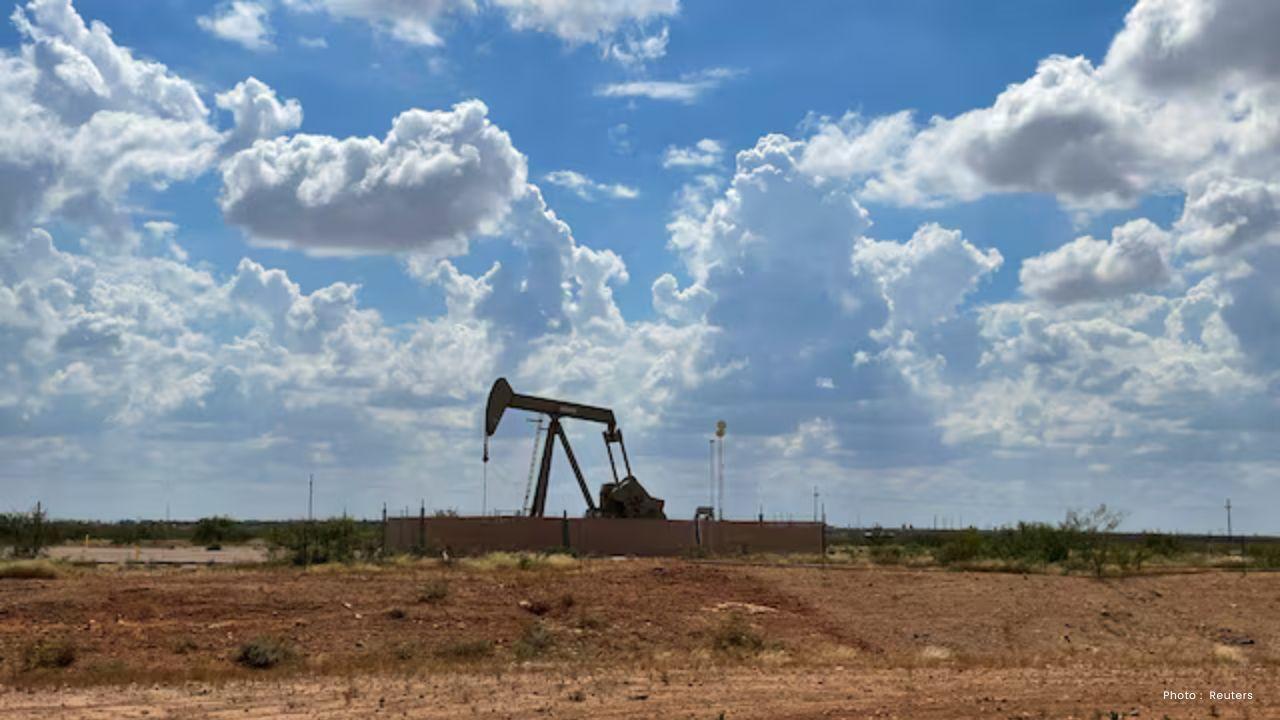
Oil prices moved lower in global markets after new data showed an increase in crude oil inventories in the United States. The rise in stockpiles has helped ease some of the fears about tight supply, even as tensions in the Middle East continue to create uncertainty.
Recent reports indicate that US crude inventories have increased more than expected. When oil stockpiles rise, it usually means that supply is higher than demand at that moment. This often leads to a drop in prices, as traders believe there is enough oil available in the market.
At the same time, fuel inventories such as gasoline and diesel have shown mixed trends. In some cases, these inventories have fallen due to strong demand, especially as people continue to travel and industries remain active.
The fall in oil prices comes after a period of strong gains. In recent weeks, prices had surged due to the ongoing conflict involving Iran and disruptions in the Strait of Hormuz, a key route through which a large portion of the world’s oil supply passes.
This conflict had raised serious concerns about supply shortages. At one point, oil prices crossed $100 per barrel, as markets feared that shipments from the Middle East could be blocked or delayed.
However, the latest inventory data has provided some relief. It suggests that the United States, one of the world’s largest oil producers, has enough reserves to meet short-term demand. This reduces pressure on global markets and helps stabilize prices.
Another factor behind the price drop is changing expectations among investors. Many traders are now trying to balance two key forces — strong supply from countries like the US and ongoing risks from geopolitical tensions. This has created a situation where prices move up and down quickly, depending on new information.
Even with the recent decline, the oil market remains highly uncertain. The conflict in the Middle East continues to affect production and transportation. Some countries have reduced output, while others are trying to find alternative routes to keep exports flowing.
Experts say that oil prices could remain volatile in the coming weeks. If supply disruptions worsen, prices may rise again. On the other hand, if production increases or tensions ease, prices could fall further.
The situation also has a direct impact on consumers. Lower oil prices can help reduce fuel costs, making petrol and diesel cheaper. This can ease pressure on households and businesses. However, if prices rise again, it could increase the cost of transportation, food, and other essential goods.
For governments and central banks, oil prices play an important role in shaping economic policy. Rising energy costs can lead to higher inflation, while falling prices can support economic growth. This is why global leaders are closely watching the oil market.
In conclusion, the recent drop in oil prices shows how quickly the market can change. While higher US crude inventories have eased supply concerns for now, the overall situation remains uncertain due to ongoing geopolitical tensions.
The coming weeks will be important in deciding the direction of oil prices. Much will depend on global supply levels, demand trends, and how the situation in the Middle East develops.









DAE Achieves Remarkable Growth in Q1 2026 With Record Revenue
Dubai Aerospace Enterprise announces impressive financial results for Q1 2026, reflecting a surge in

Price Increase for Sony PS5 in Southeast Asia Effective May 1
Sony announces a price increase for the PS5 across Southeast Asia starting May 1, 2026, impacting ga

Potential ‘Super El Niño’ in 2026: Understanding the Climate Risks
Could a Super El Niño emerge in 2026? Discover its implications and potential global climate impacts

Global Energy Crisis Intensifies: Markets React to Oil Supply Challenges
Markets are on edge as oil disruptions escalate, influencing prices and economic stability. Explore

Must-See Tourist Spots in London You Can't Overlook
Explore London's essential attractions, from royal landmarks to vibrant markets, ensuring an unforge

Ultimate Guide to Snagging Cheap Flights in 2026
Unlock the secrets to booking affordable flights in 2026 with insightful tips and strategies tailore




