Post by : Shakul
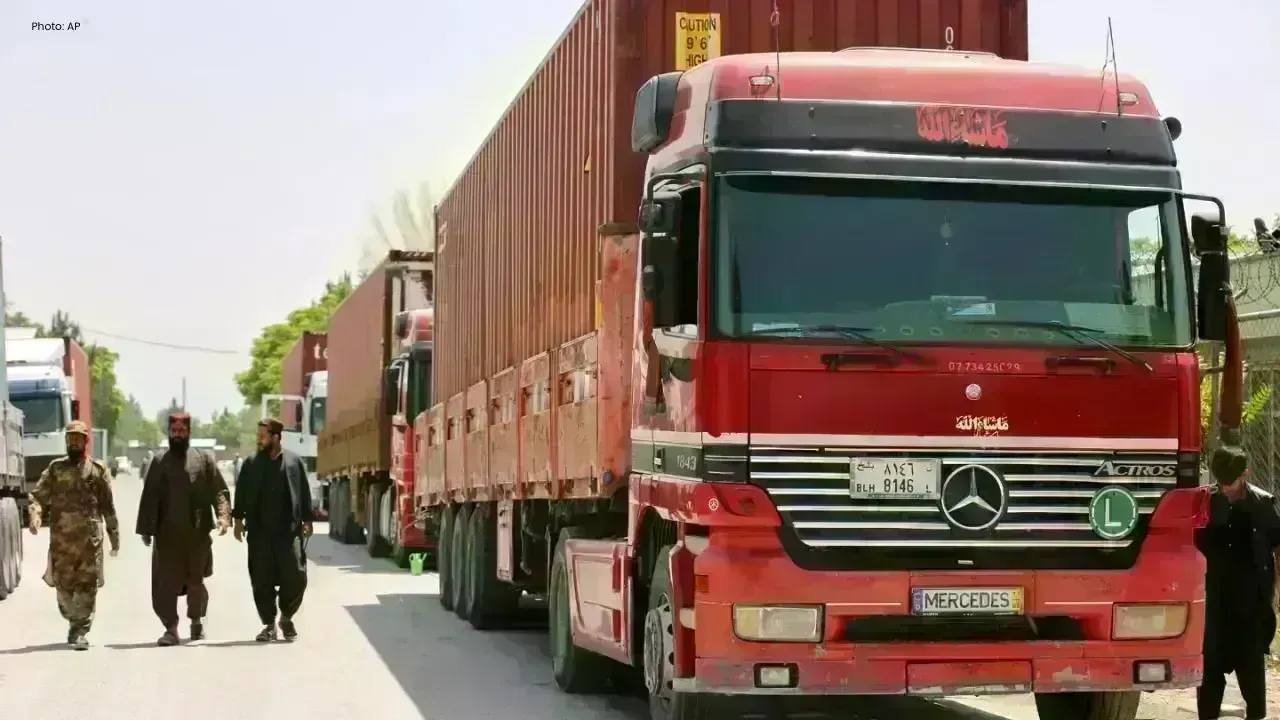
The closure of critical trade routes through Pakistan and Iran has plunged Afghanistan into a significant humanitarian crisis, severely impacting imports and aid deliveries. The increasing tensions surrounding the Strait of Hormuz have stranded numerous vessels, halting essential logistics for Afghan businesses and humanitarian efforts.
The situation escalated following conflicts between Afghanistan and Pakistan that led to the border crossings being shut down late last year. In response, Afghan traders and aid agencies redirected their cargo to Bandar Abbas port in Iran as a substitute for Karachi port in Pakistan. However, ongoing conflicts concerning the Strait of Hormuz soon obstructed this route as well.
This maritime blockade has critically hindered operations for humanitarian groups, including the United Nations World Food Programme, with reported spikes in transportation costs and a concerning depletion of food supplies intended for vulnerable populations, particularly mothers and children.
By mid-April, the World Food Programme reported that many nutritional supplements for malnourished women and children were already depleted. Previously, supplies had been rerouted via Dubai and Iran following the closure of the Pakistan border; however, increasing regional tensions and limitations on Iranian ports have now obstructed this avenue as well.
Currently, aid agencies are compelled to utilize costly and lengthy land routes through Central Asia, moving shipments across several countries like Saudi Arabia, Jordan, Turkey, Georgia, Azerbaijan, and Turkmenistan before finally arriving in Afghanistan. In some cases, deliveries have been delayed for nearly three months.
Afghan traders report significant financial losses stemming from escalating shipping costs and delays. Numerous containers with electronics, machinery, and construction supplies from China remain stuck in transit or blocked along their routes. Several business owners express fears of bankruptcy if these critical trade routes remain disrupted.
Logistics firms indicate that shipping expenses have surged dramatically since the onset of the crisis, with container costs rising from approximately $3,000–$3,600 to between $7,000 and $11,000 in some instances. Delivery charges for electronic goods have seen a near tenfold increase.
Despite the escalating challenges, Afghan officials report that the overall increase in prices within the nation has been relatively moderate, owing to strengthened trade links with Central Asia, Russia, China, and Turkey. Reports suggest that over 60% of Afghanistan's trade is now being facilitated through these Central Asian routes to lessen reliance on Pakistan and Iran.
Experts caution that prolonged tensions surrounding the Strait of Hormuz could lead to further economic strain, inflated prices, and serious humanitarian deficiencies in Afghanistan. Humanitarian organizations are urging immediate international collaboration to reopen supply chains and ensure that food and medical assistance reaches millions of at-risk Afghans.





Meta Unveils Subscription Plans for Instagram, Facebook, and WhatsApp
Meta introduces new subscription plans for users of Instagram, Facebook, and WhatsApp, featuring enh

Suvarna Joy on Education Leadership, Resilience, and Building Purpose Through Adversity in the UAE
Suvarna Joy shares her journey of education leadership, motherhood, faith, and resilience within the

Anticipated Dates for UAE Eid Al Adha 2026 Unveiled by Astronomical Experts
Experts predict Eid Al Adha 2026 in the UAE to start on May 27, prompting early holiday planning amo

DAE Achieves Remarkable Growth in Q1 2026 With Record Revenue
Dubai Aerospace Enterprise announces impressive financial results for Q1 2026, reflecting a surge in

Price Increase for Sony PS5 in Southeast Asia Effective May 1
Sony announces a price increase for the PS5 across Southeast Asia starting May 1, 2026, impacting ga

Potential ‘Super El Niño’ in 2026: Understanding the Climate Risks
Could a Super El Niño emerge in 2026? Discover its implications and potential global climate impacts




