Post by : Anees Nasser
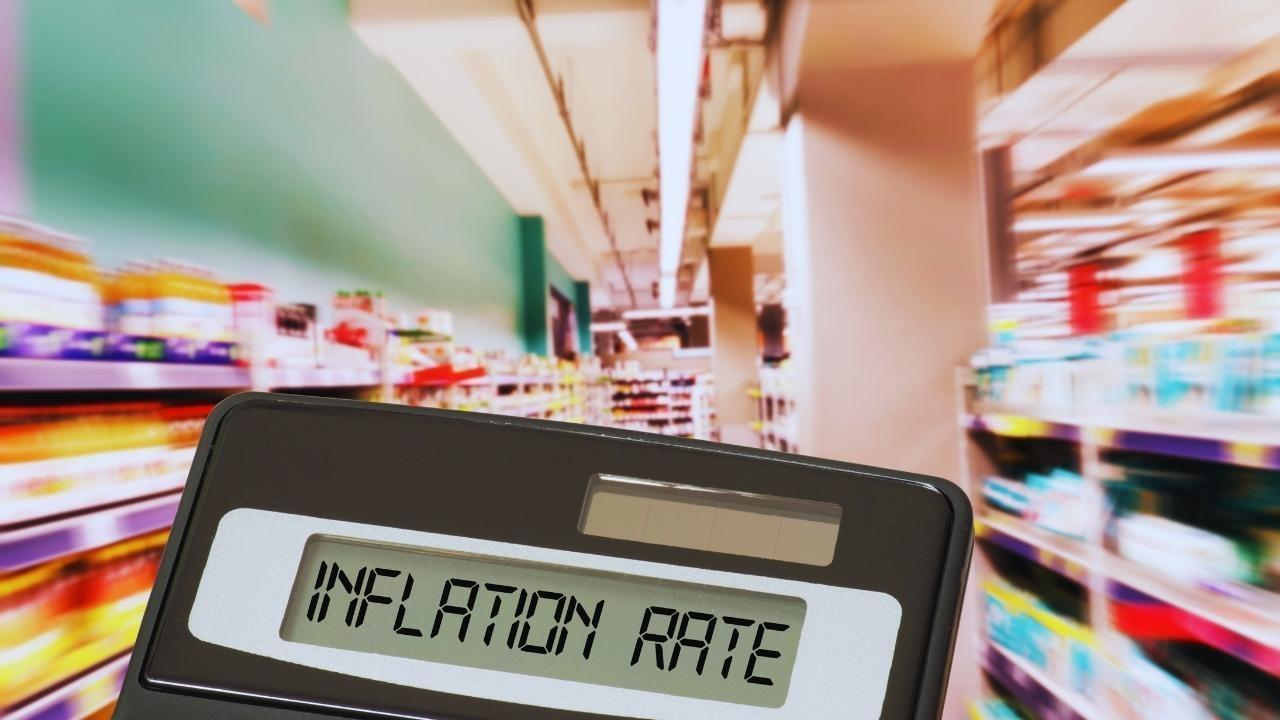
Inflation has significantly influenced daily life in 2025, manifesting in climbing prices for essential goods. Households in urban and semi-urban areas now directly feel the squeeze at their kitchen tables. What was once a straightforward part of financial planning now requires ongoing adjustments and careful consideration. Families are purchasing not only less but also differently.
Rising food expenses are altering meal plans, shopping frequency, brand preferences, and overall cooking habits. No longer merely a news item, inflation is a pervasive factor affecting every meal, from breakfast to dinner.
One of the most significant changes brought on by inflation is a newfound scrutiny of prices. Families that once paid little attention to pricing now monitor the cost of groceries closely. Small increases in prices for staples such as milk, rice, and vegetables are now readily noticed, impacting shopping behaviors dramatically.
What used to be a quick shopping routine has transformed into a more thoughtful exercise. Shoppers now diligently compare brands, consider pack sizes, and limit impulsive buys, turning grocery trips into strategic outings.
Brand allegiance has significantly weakened for essential items. Many families are opting for mid-range to budget brands as prices escalate. This shift isn't about dissatisfaction with previous choices but rather necessity—as families prioritize value over brand reputation.
Households are increasingly open to trying lesser-known brands, provided they meet quality benchmarks.
An increase in bulk purchasing has emerged as a strategy to stretch budgets and limit shopping trips. Families recognize that buying larger quantities of staples, such as rice and flour, not only saves money but also cuts down on frequent shopping excursions.
This trend extends beyond essentials; many families are beginning to stock up on snacks and personal care products whenever discounts are available, ensuring they are better prepared for price fluctuations.
With rising costs, eating out has become a rare indulgence rather than a habit. Families are choosing to prepare meals at home, not only to save money but for healthier options. Preparing meals at home allows for better portion control and creative reuse of leftovers.
Weekend activities have shifted from takeout to preparing larger meals, a trend mirrored by students and professionals alike.
Adjusting recipes to accommodate financial restrictions has become commonplace. Households are creatively substituting more expensive ingredients with local, in-season alternatives, often enhancing their culinary experiences in the process.
Seasonal and local produce is increasingly favored as they typically offer better freshness and affordability. Families are becoming more attuned to when certain produce is in season and adjusting their purchases accordingly.
This shift has reignited interest in traditional recipes that utilize local ingredients, fostering a deeper connection to regional foods.
Inflation has heightened awareness around food waste. Where leftovers were once discarded, families are now finding innovative ways to incorporate them into new meals.
Storing food properly using sealed containers has become a priority to minimize spoilage, which contributes to savings and reduced shopping frequency.
The creation of homemade versions of everyday products is on the rise. Families are now making their own condiments, snacks, and baked goods. These choices not only save money but also allow for greater control over health and ingredient quality.
Prior to inflation concerns, consumers often indulged in trying out new products. Now, families are sticking to familiar items that meet their needs, discovering new products only occasionally.
Children notice when their favorite snacks or treats become less available. Parents are navigating these changes by explaining rising costs, which in some cases has led to healthier eating habits.
Inflation has prompted families to refine their budgeting practices. Monthly tracking now includes detailed grocery expenditures, fostering a more hands-on approach to ensure essential needs are met without overspending.
Smart shopping has become essential. Families are actively using price-comparison tools and rediscovering local markets, gaining fresh produce while enjoying the added community aspect.
Inflation has led to a rise in simpler meal preparations, focusing on fewer ingredients. Families are embracing quick, economical recipes that highlight the satisfaction found in simplicity.
Heightened prices haven’t deterred health-conscious eating. While choices may shift to more affordable sources, families remain committed to nutritious meals.
This reflects a reallocation of resources rather than a decline in health aspirations.
Instead of sticking to large weekly shopping trips, families have adapted by either shopping multiple times a week or once a month for staples, depending on their needs.
The influence of inflation has reshaped grocery shopping in ways likely to continue beyond the current economic challenges. Many households will maintain these mindful shopping habits as they have proven valuable.
2025 has emphasized that grocery shopping is more than a routine task; it serves as an act of financial stewardship and resilience, illustrating creativity and resourcefulness in daily life.
This article is for informational and lifestyle purposes only. It does not constitute financial advice. Readers should assess their household's unique needs and circumstances before making purchasing decisions.










Anticipated Dates for UAE Eid Al Adha 2026 Unveiled by Astronomical Experts
Experts predict Eid Al Adha 2026 in the UAE to start on May 27, prompting early holiday planning amo

DAE Achieves Remarkable Growth in Q1 2026 With Record Revenue
Dubai Aerospace Enterprise announces impressive financial results for Q1 2026, reflecting a surge in

Price Increase for Sony PS5 in Southeast Asia Effective May 1
Sony announces a price increase for the PS5 across Southeast Asia starting May 1, 2026, impacting ga

Potential ‘Super El Niño’ in 2026: Understanding the Climate Risks
Could a Super El Niño emerge in 2026? Discover its implications and potential global climate impacts

Global Energy Crisis Intensifies: Markets React to Oil Supply Challenges
Markets are on edge as oil disruptions escalate, influencing prices and economic stability. Explore

Must-See Tourist Spots in London You Can't Overlook
Explore London's essential attractions, from royal landmarks to vibrant markets, ensuring an unforge




