Post by : Vansh
The world is rapidly evolving, and urban spaces are no exception. Cities are no longer just centers of population and commerce; they are hubs of technology, culture, and sustainable living. The rise of Smart Cities is reshaping the way we live, work, and interact with our environment. By seamlessly blending innovation, sustainability, and urban growth, these cities are setting the standard for the future of urban development.
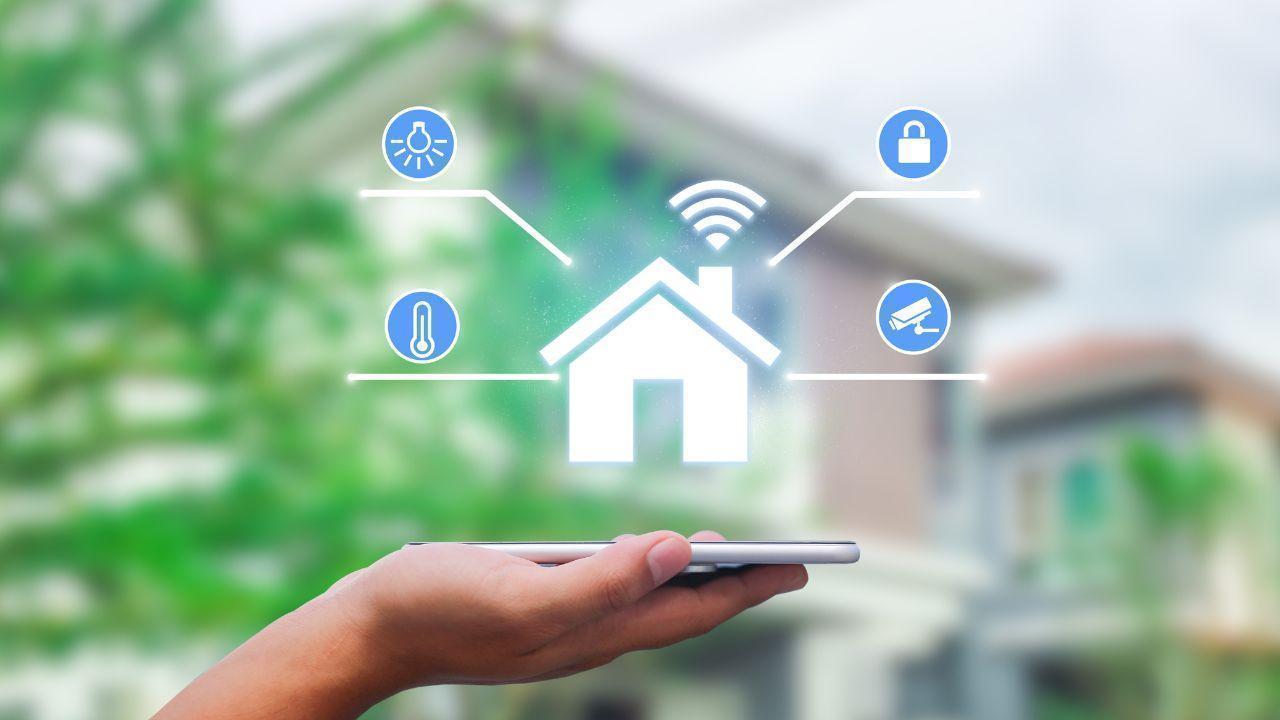
A Smart City leverages technology to improve the quality of life for its residents. It integrates digital infrastructure, data analytics, and connected devices to enhance efficiency in areas such as transportation, energy, healthcare, and governance. Unlike traditional cities, smart cities focus on creating solutions that are responsive, adaptive, and sustainable.
For instance, smart traffic management systems reduce congestion by analyzing real-time traffic data, while energy-efficient street lighting reduces both electricity consumption and environmental impact. By harnessing the power of innovation, these cities are not just adapting to modern challenges—they are proactively shaping urban experiences.
At the heart of every Smart City lies innovation. Whether it’s through the adoption of IoT (Internet of Things) devices, AI-driven solutions, or data-driven governance, innovation empowers cities to optimize resources and provide better services to citizens.
For example, Barcelona has implemented smart parking systems that guide drivers to available spaces, reducing traffic and lowering carbon emissions. Similarly, Singapore uses AI and predictive analytics to monitor water supply, energy usage, and public safety, ensuring efficient urban management. Innovation in these contexts isn’t just about technology—it’s about using creative solutions to solve pressing urban challenges.
Modern cities face enormous environmental challenges, from air pollution to waste management and energy consumption. Sustainability is therefore a critical aspect of the smart city framework.
Green buildings, renewable energy sources, and smart grids are key components that promote sustainability. Copenhagen, often hailed as one of the greenest cities in the world, integrates wind energy, efficient public transport, and bicycle-friendly infrastructure to minimize its carbon footprint. Similarly, Tokyo employs waste-to-energy technologies and advanced recycling systems, demonstrating that sustainability can be seamlessly integrated into urban life without compromising growth or development.
Sustainability in smart cities isn’t limited to environmental concerns—it also extends to social and economic aspects. Affordable housing, accessible public services, and community-driven planning ensure that growth benefits all citizens, creating inclusive, resilient urban ecosystems.
The content provided in this article is intended for informational purposes only and reflects insights and opinions for readers by MiddleEastBulletin news network.







Anticipated Dates for UAE Eid Al Adha 2026 Unveiled by Astronomical Experts
Experts predict Eid Al Adha 2026 in the UAE to start on May 27, prompting early holiday planning amo

DAE Achieves Remarkable Growth in Q1 2026 With Record Revenue
Dubai Aerospace Enterprise announces impressive financial results for Q1 2026, reflecting a surge in

Price Increase for Sony PS5 in Southeast Asia Effective May 1
Sony announces a price increase for the PS5 across Southeast Asia starting May 1, 2026, impacting ga

Potential ‘Super El Niño’ in 2026: Understanding the Climate Risks
Could a Super El Niño emerge in 2026? Discover its implications and potential global climate impacts

Global Energy Crisis Intensifies: Markets React to Oil Supply Challenges
Markets are on edge as oil disruptions escalate, influencing prices and economic stability. Explore

Must-See Tourist Spots in London You Can't Overlook
Explore London's essential attractions, from royal landmarks to vibrant markets, ensuring an unforge




