Post by : Vansh
In a world driven by speed, data, and precision, a quiet transformation is underway—smart manufacturing is reshaping industries, economies, and the very nature of work. This silent revolution isn’t defined by noise or spectacle, but by algorithms, sensors, machine learning, and seamless automation. As factories evolve into intelligent systems, the global industrial landscape is being rebuilt—efficiently, sustainably, and at record speed.
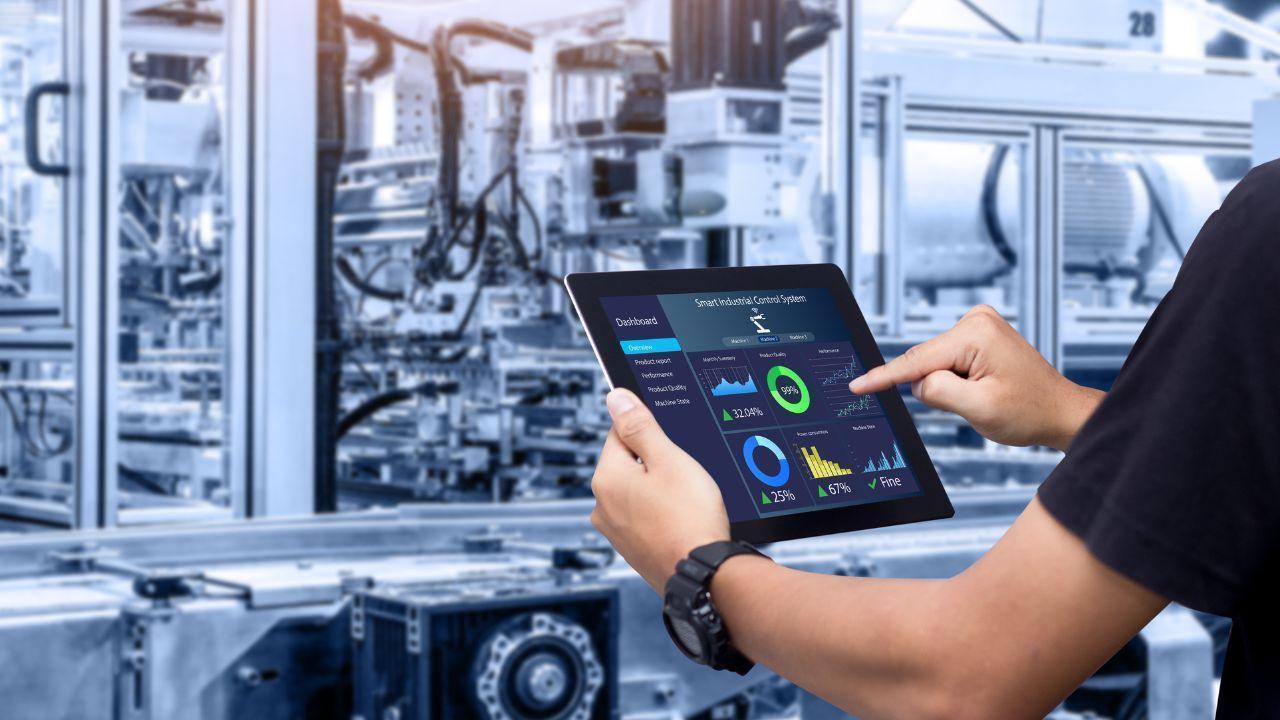
Smart manufacturing is the convergence of digital technologies with traditional production processes. At its core lies Industry 4.0, the fourth industrial revolution, characterized by cyber-physical systems, cloud computing, and real-time data exchange. Through the integration of IoT (Internet of Things), AI (Artificial Intelligence), robotics, and big data, smart manufacturing offers more than just operational upgrades—it promises a new era of production agility and customization.
Factories that once ran on manual labor and mechanical processes are now being equipped with intelligent machines capable of decision-making and predictive analysis. This shift is not just technological—it’s strategic. Companies across the globe are adopting smart manufacturing to stay competitive, reduce waste, increase productivity, and meet the growing demand for personalization.
From automotive to aerospace, consumer goods to pharmaceuticals, smart manufacturing is making its mark. Automation and robotics are accelerating assembly lines, ensuring precision, and improving workplace safety. AI is forecasting market demand and optimizing supply chains, while sensors continuously monitor equipment health to prevent costly breakdowns.
For example, a car manufacturer using smart technologies can reduce production time, adapt quickly to design changes, and even track the real-time performance of components after the vehicle leaves the factory. Similarly, pharmaceutical companies can use real-time data to ensure drug quality, compliance, and efficient inventory management.
This transformation also leads to significant cost savings. By minimizing errors and downtime while maximizing output, smart manufacturing delivers strong ROI for businesses willing to invest in future-forward infrastructure.
One of the most promising impacts of this silent revolution is its contribution to sustainable manufacturing. With global pressure to reduce carbon footprints and manage resources wisely, smart systems offer powerful tools for environmental responsibility.
Real-time energy monitoring allows companies to identify areas of inefficiency and reduce consumption. Predictive maintenance extends machine lifespans, reducing the need for constant replacements. Meanwhile, AI-driven design processes can optimize the use of materials, reducing waste before production even begins.
Green manufacturing isn’t just good for the planet—it’s becoming a business necessity. As regulations tighten and consumer expectations rise, embracing sustainability in manufacturing is a competitive advantage, and smart technologies are at the forefront of that change.
The information provided in this article is for general informational purposes only and does not constitute professional advice or recommendations. Readers are encouraged to conduct their own research or consult with industry experts before making any decisions based on the content. MiddleEastBulletin is not liable for any actions taken based on the information presented herein.









Anticipated Dates for UAE Eid Al Adha 2026 Unveiled by Astronomical Experts
Experts predict Eid Al Adha 2026 in the UAE to start on May 27, prompting early holiday planning amo

DAE Achieves Remarkable Growth in Q1 2026 With Record Revenue
Dubai Aerospace Enterprise announces impressive financial results for Q1 2026, reflecting a surge in

Price Increase for Sony PS5 in Southeast Asia Effective May 1
Sony announces a price increase for the PS5 across Southeast Asia starting May 1, 2026, impacting ga

Potential ‘Super El Niño’ in 2026: Understanding the Climate Risks
Could a Super El Niño emerge in 2026? Discover its implications and potential global climate impacts

Global Energy Crisis Intensifies: Markets React to Oil Supply Challenges
Markets are on edge as oil disruptions escalate, influencing prices and economic stability. Explore

Must-See Tourist Spots in London You Can't Overlook
Explore London's essential attractions, from royal landmarks to vibrant markets, ensuring an unforge




