Post by : Sami Jeet
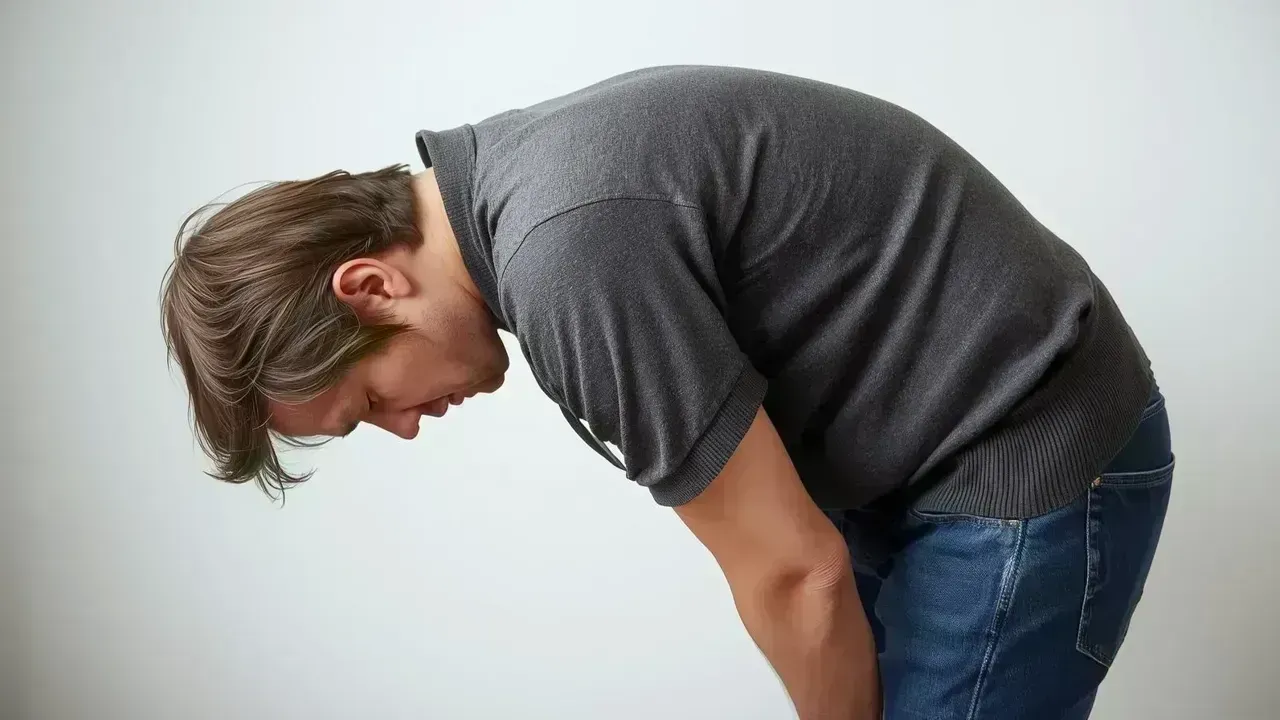
In contemporary society, poor posture is a critical yet often overlooked contributor to chronic body pain. Developing imperceptibly over time, it imposes undue stress on muscles, joints, and even internal organs. By 2026, with increased screen time, sedentary jobs, and reliance on smartphones, the repercussions of poor posture extend beyond the elderly, impacting teenagers, professionals, and children as well.
This article outlines how suboptimal posture leads to persistent pain, pinpointing the most affected areas, elucidating how damage escalates over time, and explaining the physiological changes that occur when posture is neglected.
Posture describes the position of your body when seated, standing, walking, or lying down. Optimal posture maintains a neutral spine, evenly distributing body weight and enabling efficient muscle function. In contrast, poor posture arises from disrupted alignment that occurs continually and for extended periods.
Extended periods of sitting without adequate back support
Protruding head posture while using devices
Slouching during laptop usage
Weak core and back musculature
Sedentary lifestyle choices
Improper sleep positions
Lack of posture awareness
Poor posture isn't merely a single behavior; it's a repeated pattern that ultimately becomes the body's default setting.
Contrary to popular belief, the spine is not entirely straight. It possesses natural curves that serve to absorb shocks and maintain equilibrium.
Cervical curvature (in the neck)
Thoracic curvature (upper back)
Lumbar curvature (lower back)
These curves collaborate to evenly distribute loads. Poor posture can exaggerate or flatten these curves, causing uneven pressure and mechanical strain.
Poor posture doesn't just affect isolated regions; it triggers a series of reactions throughout the body.
Some muscles weaken and stretch while others tighten and overwork, creating an imbalance that forces muscles to operate beyond their intended capacity.
Misalignment heightens stress on joints, leading to premature degeneration.
Compressed muscles and joints hinder blood flow, restricting oxygen and nutrient delivery.
Misaligned structures may press against nerves, resulting in pain, numbness, or tingling. As the body adjusts to dysfunction, pain can become chronic.
One prevalent posture trouble today is forward head posture.
The human head, weighing between 4–6 kg, increases pressure on the neck dramatically with each inch it shifts forward, placing immense strain on the cervical spine.
Ongoing neck stiffness
Decreased neck mobility
Compression of cervical discs
Headaches and migraines
Shoulder tension
Moreover, forward head posture can disrupt breathing patterns, culminating in increased fatigue.
Slouching leads to rounded shoulders and collapsed chest.
The muscles in the upper back become overstretched
Muscles in the chest tighten
Shoulder joints lose their stability
Scapular muscles weaken
This imbalance manifests as burning sensations between the shoulder blades and chronic discomfort in the shoulder area.
Decreased shoulder strength
Increased susceptibility to rotator cuff injuries
Constant stiffness in the upper back
Poor respiratory efficiency
There's a strong correlation between lower back pain and posture.
Prolonged sitting tends to tilt the pelvis backward, compromising the natural lumbar curve, which amplifies disc pressure and strains the spinal ligaments.
Degeneration of lumbar discs
Chronic pain in the lower back
Compression of the sciatic nerve
Diminished spinal flexibility
Over time, even standing could become torturous due to muscle fatigue.
Impaired posture affects weight distribution in the body.
Changes in pelvic tilt—either anterior or posterior—alter how the hip joints function, leading to:
Tightness in hip flexors
Reduced mobility in the hips
Intense pain in deep hip joints
Misaligned hips interfere with proper knee function, increasing stress on the joints and cartilage.
Accelerated joint degeneration
Higher injury risk
Pain during activities like walking or climbing stairs
Often, the pain manifests in areas far removed from the initial postural concern.
Posture influences the entire kinetic chain.
Misalignment redistributes body weight unevenly across the feet, thereby elevating pressure on specific zones.
Pain in the heel
Plantar fasciitis
Strain on the arches
Exhaustion while standing
Foot-related pain often goes unnoticed as the root cause isn’t always clear.
A slouched position can compress the chest and diaphragm.
Shallow breaths
Lowered oxygen intake
Increased fatigue
Heightened stress levels
Poor respiratory habits can contribute to escalating neck and shoulder tension, aggravating existing pain.
The relationship between posture and stress is significant.
Compressed postures may trigger stress responses in the brain, activating the sympathetic nervous system and maintaining a constant state of alertness.
Tight muscles
Poor sleep quality
Heightened pain sensitivity
Slower recovery
Pain intensifies when the nervous system remains in a state of overactivity.
Pain arising from poor posture doesn’t usually manifest all at once.
Muscles adapt to unnatural positions
Joints undergo cumulative strain
Connective tissues stiffen
Reduced pain thresholds
Ignoring posture allows minor problems to evolve into structural complications.
Pharmaceuticals may alleviate symptoms, but do not address root causes.
Relief is often short-lived
Alignment correction remains unaddressed
Warnings signs can be masked
Risk of dependency
Without addressing posture, pain is likely to resurface.
Modern lifestyle habits escalate postural stress.
Posture deterioration from smartphone use
Improper laptop ergonomics
Increased duration of video consumption
Lack of physical activity
Technological advancements are causing rapid changes in posture, often outpacing the body's ability to adapt.
Pain reduces with movement
Pain intensifies after prolonged sitting
Mornings often bring stiffness
Pain spreads gradually over time
No evident injury history
Recognizing these symptoms early can help prevent long-standing damage.
While exercise is beneficial, it cannot replace posture correction.
Heightened posture awareness
Habitual alignment practices
Ergonomic workspaces
Consistency
Posture is a constant habit rather than a temporary fix.
Chronic pain influences more than just physical well-being.
Lower productivity levels
Poor quality of sleep
Emotional fluctuations
Decreased self-assurance
Inability to engage in activities
Overall quality of life diminishes gradually.
Timely rectification of posture can avert:
Chronic pain syndromes
Disc complications
Nerve encroachments
Joint degeneration
Medication reliance
Simple adjustments can yield lasting improvements.
Posture encompasses more than just standing straight temporarily; it involves constant body positioning throughout your daily life. Each hour spent misaligned contributes to strain, while every correction paves the path towards less pain in the future.
Poor posture stands out as a preventable source of long-term body pain. The discomfort experienced today often stems from habits developed in the past. By fostering awareness, maintaining consistency, and making small daily adjustments, you can safeguard your spine, joints, and muscles for the long haul.
Your posture is more than mere positioning; it's integral to how your body engages with movement.
This article serves informational purposes only and is not a substitute for professional medical counsel. Posture-related discomfort varies individually and may involve underlying medical concerns. Always seek advice from a qualified healthcare provider, physiotherapist, or medical expert for accurate diagnosis and customized treatment options.










Anticipated Dates for UAE Eid Al Adha 2026 Unveiled by Astronomical Experts
Experts predict Eid Al Adha 2026 in the UAE to start on May 27, prompting early holiday planning amo

DAE Achieves Remarkable Growth in Q1 2026 With Record Revenue
Dubai Aerospace Enterprise announces impressive financial results for Q1 2026, reflecting a surge in

Price Increase for Sony PS5 in Southeast Asia Effective May 1
Sony announces a price increase for the PS5 across Southeast Asia starting May 1, 2026, impacting ga

Potential ‘Super El Niño’ in 2026: Understanding the Climate Risks
Could a Super El Niño emerge in 2026? Discover its implications and potential global climate impacts

Global Energy Crisis Intensifies: Markets React to Oil Supply Challenges
Markets are on edge as oil disruptions escalate, influencing prices and economic stability. Explore

Must-See Tourist Spots in London You Can't Overlook
Explore London's essential attractions, from royal landmarks to vibrant markets, ensuring an unforge




