Post by : Sami Jeet
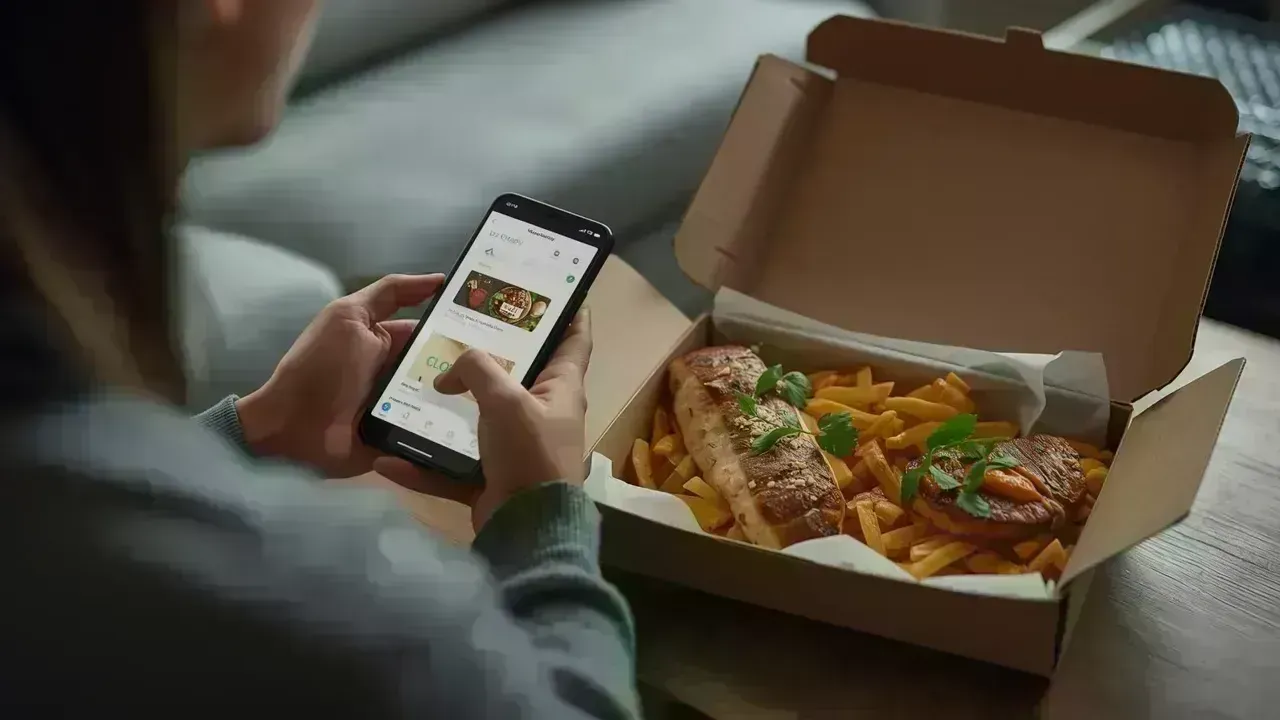
Food delivery apps have fundamentally altered how individuals approach food and make daily meal choices. What started as a convenient option for busy lifestyles has become a enduring transformation in eating habits, affecting nutrition, portion sizes, meal timings, cultural food interactions, and mental health. From students to professionals, food delivery services have woven themselves into the fabric of daily life.
This article delves into the impact of food delivery apps on global eating habits, analyzing both their positive and negative effects on health and lifestyle.
Food delivery services have fostered a culture where food is accessible anytime and anywhere, often arriving within 30 minutes.
Traditional meal preparation involved:
Grocery shopping
Cooking time
Advance meal planning
Delivery apps remove these necessities, leading to:
Less meal planning
More spontaneous food choices
Eating based on cravings, rather than hunger
Food shifts from preparation to scrolling and selecting.
Many users find themselves ordering food:
Numerous times a week
For even single meals
Instead of cooking simple meals
This trend has normalized dining out at home, merging restaurant food with home cooking.
Food delivery platforms have changed not just what people eat, but also when they eat.
With around-the-clock delivery availability:
Increased late-night snacking
Delayed dinner timings
Late meals are common among young adults
These irregular eating patterns disrupt digestion, sleep, and metabolic health.
Numerous users skip breakfast or lunch, knowing they can order later, which leads to:
Long stretches between meals
Overeating during delivery meals
Poor nutritional balance throughout the day
Apps encourage eating based on availability rather than routine.
Restaurant portions typically surpass home-cooked servings.
Cooking at home usually allows for portion control; however, delivery meals often include:
Larger portions
Extra sides
Add-ons prompted by app notifications
As a result:
Increased caloric intake
Mindless consumption
Decreased awareness of fullness
Apps often promote:
Value meals
Buy-one-get-one deals
Upsized options
These promotions can tempt users to consume more than necessary, making it seem like an economical choice.
Food delivery apps present an overwhelming array of options in mere moments.
Continuous exposure to choices can result in:
Increased stress during food selection
Impulsive decision-making
Preference for familiar, often unhealthy foods
People often opt for quick selections to alleviate decision fatigue.
The apps can facilitate:
Eating for stress relief
Compulsive snacking due to boredom
Reward-centric eating
Discount alerts and enticing food images evoke cravings, even in the absence of hunger.
These apps heavily influence which nutrients are consumed regularly.
The most popular delivery items are:
Fried options
High-sodium dishes
Sweetened drinks
Refined carbohydrates
These meals prioritize flavor and delivery stability over nutritional balance.
Home cooking allows for control over:
Ingredient selection
Oil quantities
Sodium levels
Dependence on delivery often leads to excessive:
Sodium
Unhealthy fats
Hidden sugars
These patterns can have long-term consequences on cardiovascular health, weight, and energy levels.
Delivery platforms are redefining how people engage with cooking.
Heavy reliance on delivery has led to:
Reduced culinary skills
Less confidence in simple cooking tasks
Younger generations are cooking less frequently
Cooking shifts from a daily occurrence to a rare event.
Home-cooked meals often unite families. Increased reliance on delivery leads to:
Individual meal orders
Separate dining times
Less shared dining experiences
This impacts social interactions and mindful eating.
While many changes are concerning, some are beneficial.
Food delivery apps allow users to discover:
Regional specialties
Global cuisines
Small, local eateries
This enhances cultural appreciation and culinary diversity.
Numerous small restaurants depend on delivery systems to:
Expand their reach
Stay afloat amid high rents
Try out new menu items
Delivery apps have transformed food access in various metropolitan areas.
Habitual deliveries will progressively dictate health outcomes.
Frequent orders correlate with:
Increased caloric consumption
Less physical activity
Greater sedentary lifestyles
Together, these factors elevate obesity and metabolic disorder risks.
Eating while engaged with screens or multitasking results in:
Faster eating rates
Poor digestion
Lower satisfaction levels
Food transitions from nourishment to mere entertainment.
Food delivery platforms are far from impartial.
Algorithms tend to promote:
Frequently ordered selections
High-profit items
Familiar comfort foods
Healthier alternatives often lack visibility unless actively sought out.
Limited-time promotions can dictate:
What users eat
Ordering volume
Timing of orders
Consumers often choose meals based on price rather than nutritional value.
Despite concerns, apps can encourage healthier choices if utilized wisely.
Numerous platforms now provide:
Menus with calorie counts
Filters for specific diets
Meals with controlled portions
Mindful consumers can maintain nutritional balance.
For those pressed for time, delivery apps can help prevent:
Meal skipping
Dependence on unhealthy snacks
Severe hunger episodes
When used judiciously, these platforms can aid consistency.
The paramount factor influencing eating habits is how consumers engage with these applications.
Healthy approaches feature:
Limiting frequency of orders
Selecting balanced meals
Avoiding impulsive decisions
Planning delivery days ahead
These apps are tools best used with intention.
A combined strategy is most effective:
Regular home cooking on non-busy days
Using delivery services for social gatherings or convenience
Simple meal prep along with occasional orders
Balance can support health while preserving convenience.
Food delivery applications will continue to evolve.
Future innovations may encompass:
Nutrition suggestions powered by AI
Personalized health ratings for delivered meals
Portion management features
Encouragement towards sustainable packaging
Eating behavior will increasingly rely on digital culinary environments.
Food delivery applications have permanently influenced eating patterns by making food faster and more convenient while appealing to emotions. They have reduced home cooking frequency, shifted meal timings, enlarged portion sizes, and altered nutritional quality—yet they also provide broader food access and cultural variety.
The true effect hinges on mindfulness and moderation. Utilized deliberately, food delivery apps can enhance healthy habits; if used carelessly, they risk undermining nutritional balance and wellbeing.
Today, food choices are no longer just personal; they are increasingly shaped by technology.
This article is intended for informational use only and does not serve as medical, nutritional, or dietary guidance. Eating patterns and health results differ based on individual lifestyles, metabolic rates, and health conditions. Readers are advised to consult with qualified health or nutrition experts before implementing significant dietary modifications.










Anticipated Dates for UAE Eid Al Adha 2026 Unveiled by Astronomical Experts
Experts predict Eid Al Adha 2026 in the UAE to start on May 27, prompting early holiday planning amo

DAE Achieves Remarkable Growth in Q1 2026 With Record Revenue
Dubai Aerospace Enterprise announces impressive financial results for Q1 2026, reflecting a surge in

Price Increase for Sony PS5 in Southeast Asia Effective May 1
Sony announces a price increase for the PS5 across Southeast Asia starting May 1, 2026, impacting ga

Potential ‘Super El Niño’ in 2026: Understanding the Climate Risks
Could a Super El Niño emerge in 2026? Discover its implications and potential global climate impacts

Global Energy Crisis Intensifies: Markets React to Oil Supply Challenges
Markets are on edge as oil disruptions escalate, influencing prices and economic stability. Explore

Must-See Tourist Spots in London You Can't Overlook
Explore London's essential attractions, from royal landmarks to vibrant markets, ensuring an unforge




