Post by : Anees Nasser
Recently, eSIM technology has transitioned from an optional feature to a primary standard for smartphones across the globe. Initially integrated into high-end models, its presence has grown, leading major manufacturers to unveil entirely eSIM-dependent devices.
This week, a variety of countries reported an increase in eSIM-only launches and carrier upgrades. As consumers increasingly adopt these devices, the debate has reignited: Are eSIM-only smartphones genuinely enhancing user experiences, or are they imposing restrictions on user freedom?
To unravel this, we must explore the global factors influencing eSIM adoption and weigh the pros and cons.
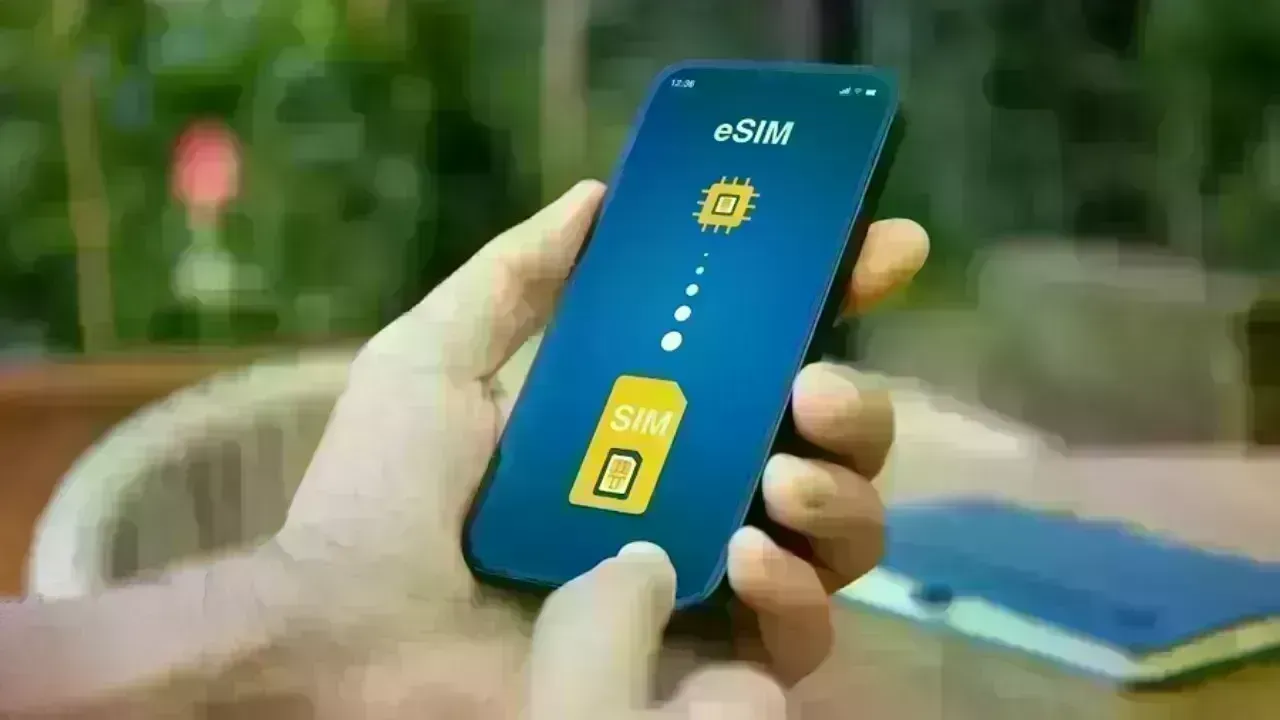
An eSIM, short for embedded SIM, is a programmable chip that's integrated into the device's motherboard. Unlike traditional SIM cards, which users manage manually, eSIMs can be activated digitally.
Key characteristics include:
remote carrier activation
ability to store multiple profiles simultaneously
elimination of a physical tray or card
easier network switching
This technology is designed to eliminate the inconvenience of physical SIM cards, making connectivity easier, at least in theory.
Several international trends have propelled the move toward eSIM-exclusive designs:
increased carrier support for eSIM activation
global revival of travel
heightened demand for dual-network functionality
industry focus on more compact hardware
efforts toward sustainability by minimizing plastic use
This year, numerous smartphone models have been released as eSIM-exclusive, or have significantly increased their eSIM capabilities.
The transition to eSIM goes beyond mere convenience; manufacturers have various strategic incentives.
Eliminating the SIM tray allows for:
greater room for battery space
enhanced waterproof design
more streamlined internal layout
additional antenna placements
more attractive aesthetics
In compact devices—especially foldable phones, wearables, and flagship models—space is of utmost importance.
Physical SIMs are vulnerable to:
theft
unauthorized swaps
cloning
bypassing two-factor verification
With eSIMs embedded within devices, unauthorized alterations are significantly hindered. Many manufacturers assert that eSIM-exclusive models mitigate instances of SIM-swapping and fraud.
Diverse SIM standards worldwide create complications. The removal of the SIM tray streamlines production by:
decreasing component variability
dispensing with SKU differences
simplifying logistics and packaging
Manufacturers ultimately save on costs while enhancing global uniformity.
Integrating eSIMs aligns more efficiently with:
next-gen 5G networks
advanced IoT solutions
satellite connectivity options
new roaming protocols
Many new telecom advancements rely on eSIM technology instead of conventional SIM designs.
Not only manufacturers are driving this shift; carriers have their own motivations.
Carriers can perform activations digitally rather than relying on physical SIM distribution, resulting in:
accelerated onboarding
easier number management
lower distribution costs
cut costs on SIM production
Digital provisioning also helps retain customers within the carrier's ecosystem.
SIM-swap fraud has affected users globally. With eSIM, the need for device-based security provides better protection of customer identities.
Carriers can provide international travelers with:
instant roaming configurations
temporary data packages
country-specific eSIM bundles
The digital travel SIM industry increasingly favors carriers who support eSIM.
While skepticism exists, many consumers appreciate the advantages of eSIM.
Users can change carriers without a physical visit to a store.
Downloading profiles occurs rapidly, offering greater flexibility.
eSIM devices allow for simultaneous support of numerous network profiles, perfect for:
work versus personal lines
international trips
regional data options
Eliminating the SIM tray bolsters the device's structural integrity, minimizing entry points for dust and moisture.
eSIM technology eradicates:
SIM cutting
size mismatches
damaged trays
broken pins
Everything transitions to a more digital and seamless experience.
Users no longer need to pack adapters or spare SIMs.
The rise of eSIM-only smartphones has sparked frustrations this month, as users and analysts raise concerns.
The discussions encompass both practical and philosophical issues.
In markets with few carriers, eSIM-exclusive devices may:
restrict consumer switching
entrench carrier control
curtail competition
Previously, physical SIM swaps enabled quick escapes from unfavorable operators.
Some regions still heavily rely on:
in-person activation
physical SIM exchanges
multi-SIM cultures
eSIM adoption is not yet fulfilling needs in these areas, leading to compatibility challenges.
While eSIM travel options flourish, users in remote areas may encounter:
carriers unleashing eSIM support
limited digital tools for provisioning
necessity for temporary physical SIMs
For these consumers, eSIM-only models can lead to challenges.
Many users worry that eSIM-only devices amplify control from:
manufacturers
carriers
centralized activation servers
Physical SIMs historically granted users more tangible control over their mobile identity.
Repair experts report complications surrounding:
network testing
activation resets
user transitions
device refurbishing
Physical SIMs were often essential for quick assessments.
Some critics suggest that eSIMs heighten:
traceability in networks
centralized oversight
challenges in preserving anonymity
While not universal, these issues are common in discussions online.
Governments globally are keenly observing this trend.
EU policies advocate for interoperability and reduced electronic waste. The rise of eSIM aligns with these aims, generating a supportive policy atmosphere.
These regions witness rapid adoption of eSIM by carriers, though ongoing debates about consumer rights persist.
India is advancing with eSIM promotions but remains cautious regarding carrier readiness across the country.
Certain countries excelling in digital transactions and mobile technology are quickly adjusting, while others are still in transition.
Various regions are enthusiastically advancing eSIM initiatives, benefitting from tech-savvy consumers and robust telecom frameworks.
While eSIM technology exists, deployment varies significantly by locality. Infrastructure limitations impact the overall uptake.
Device innovation progresses rapidly, while regulatory frameworks lag behind.
Manufacturers aim to eliminate:
outdated technology
excessive ports
legacy standards
This gap generates tension with countries wary of fully embracing eSIM.
Most likely—but not all at once.
A few projections include:
Top-tier devices generally adopt new innovations more swiftly.
Manufacturers will gradually transition as carrier support for eSIM solidifies.
Particularly in developing markets, affordability often trumps innovation.
This sector already shows a fondness for eSIM in compact devices.
Without proper provisioning capabilities, activation becomes challenging.
It’s vital to have access to multiple eSIM profiles for device transitions.
Frequent travelers should validate access across different countries.
Transitioning an eSIM requires awareness of:
carrier identification information
account validation
transfer procedures between devices
eSIM transcends technology; it encompasses a comprehensive ecosystem of:
telecom providers
manufacturers
regulatory standards
app-powered activation processes
Grasping this ecosystem can help users avoid unwanted difficulties.
The global surge of eSIM-only smartphones signifies a remarkable evolution in mobile technology. While the shift brings numerous benefits—convenience, digital flexibility, enhanced security, and refined design—it also raises critical issues regarding accessibility, carrier options, and global preparedness.
For many users in developed mobile landscapes, the transition is seamless. Conversely, in areas plagued by inconsistent telecom structures, eSIM-only devices introduce new hurdles.
Thus, the transition to eSIM-only smartphones is not entirely beneficial or entirely limiting. This change demands careful navigation from carriers, regulators, and consumers alike. The future is undeniably digital, but ensuring digital freedom remains intact will be paramount as this global evolution unfolds.
This analysis provides a broad overview of global eSIM implementation. Carrier abilities, regional infrastructure, and manufacturer strategies can differ significantly. Users should check eSIM compatibility with their local telecom providers prior to purchasing an eSIM-only device.









Anticipated Dates for UAE Eid Al Adha 2026 Unveiled by Astronomical Experts
Experts predict Eid Al Adha 2026 in the UAE to start on May 27, prompting early holiday planning amo

DAE Achieves Remarkable Growth in Q1 2026 With Record Revenue
Dubai Aerospace Enterprise announces impressive financial results for Q1 2026, reflecting a surge in

Price Increase for Sony PS5 in Southeast Asia Effective May 1
Sony announces a price increase for the PS5 across Southeast Asia starting May 1, 2026, impacting ga

Potential ‘Super El Niño’ in 2026: Understanding the Climate Risks
Could a Super El Niño emerge in 2026? Discover its implications and potential global climate impacts

Global Energy Crisis Intensifies: Markets React to Oil Supply Challenges
Markets are on edge as oil disruptions escalate, influencing prices and economic stability. Explore

Must-See Tourist Spots in London You Can't Overlook
Explore London's essential attractions, from royal landmarks to vibrant markets, ensuring an unforge




