Post by : Saif Nasser
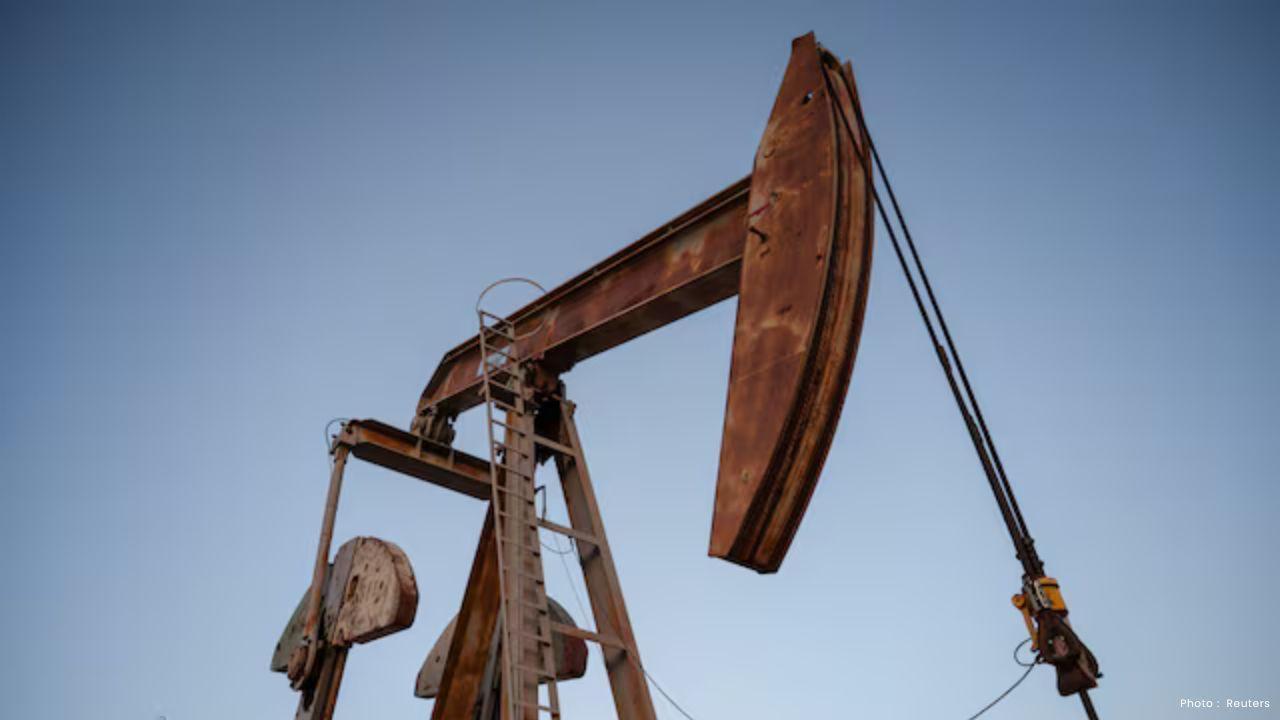
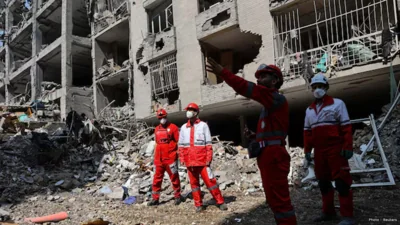
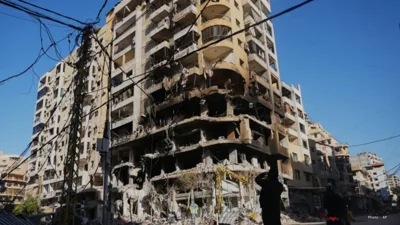
Oil prices across the world moved higher after Iran carried out strikes on important energy facilities in the Middle East. The sudden attacks have increased worries about oil supply and pushed markets into uncertainty.
Reports show that global oil prices rose by about 3% soon after the news of the strikes spread. The price of Brent crude, which is a global benchmark, crossed the $110 per barrel level. This sharp rise shows how sensitive energy markets are to events in the region.
The attacks were aimed at key energy sites in countries like Saudi Arabia, United Arab Emirates, and Qatar. These countries are major producers and exporters of oil and gas, and any disruption there can quickly affect global supply.
One of the major areas impacted was Ras Laffan Industrial City, which is a key center for liquefied natural gas production. Damage or disruption in such places can slow down energy output and create shortages in the market.
These strikes came after earlier attacks on Iran’s own energy infrastructure, especially the South Pars Gas Field. That field is one of the largest natural gas reserves in the world, and any damage there is also seen as a serious risk to global energy supply.
The Middle East plays a very important role in supplying oil and gas to the world. Because of this, even small problems in the region can lead to big changes in prices. When supply is threatened, traders often react quickly, pushing prices higher.
Another major concern is the Strait of Hormuz, a narrow sea route through which a large share of the world’s oil is transported. If this route is disrupted, it could affect shipments to many countries and push prices even higher.
Experts believe that the current situation could lead to continued instability in energy markets. If tensions remain high or more attacks take place, oil prices may continue to rise in the coming days.
Higher oil prices often lead to higher costs for everyday life. Fuel becomes more expensive, transport costs increase, and this can raise the price of goods and services. This is why events in the oil market affect people even far away from the conflict area.
From an editorial point of view, this situation clearly shows how closely global economies are connected to geopolitical events. A single conflict in a key region can have wide effects on markets and daily life around the world.
It also highlights the risks of depending heavily on a few regions for energy supply. Countries may need to look at alternative sources and improve energy security to avoid such shocks in the future.
At the same time, the risk of further escalation cannot be ignored. If attacks continue or spread, the impact on global oil markets could become even more serious.
For now, the rise in oil prices reflects growing concern and uncertainty. The coming days will be important in deciding whether the situation stabilizes or becomes more severe.





Mattel Revives Masters of the Universe Action Figures Ahead of Film Launch
Mattel is reintroducing Masters of the Universe figures in line with its upcoming film, tapping into

China Executes 11 Members of Criminal Clan Linked to Myanmar Scam
China has executed 11 criminals associated with the Ming family, known for major scams and human tra
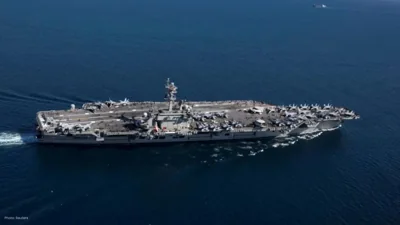
US Issues Alarm to Iran as Military Forces Deploy in Gulf Region
With a significant military presence in the Gulf, Trump urges Iran to negotiate a nuclear deal or fa

Copper Prices Reach Unprecedented Highs Amid Geopolitical Turmoil
Copper prices soar to all-time highs as geopolitical tensions and a weakening dollar boost investor

New Zealand Secures First Win Against India, Triumph by 50 Runs
New Zealand won the 4th T20I against India by 50 runs in Vizag. Despite Dube's impressive 65, India