Post by : Vansh
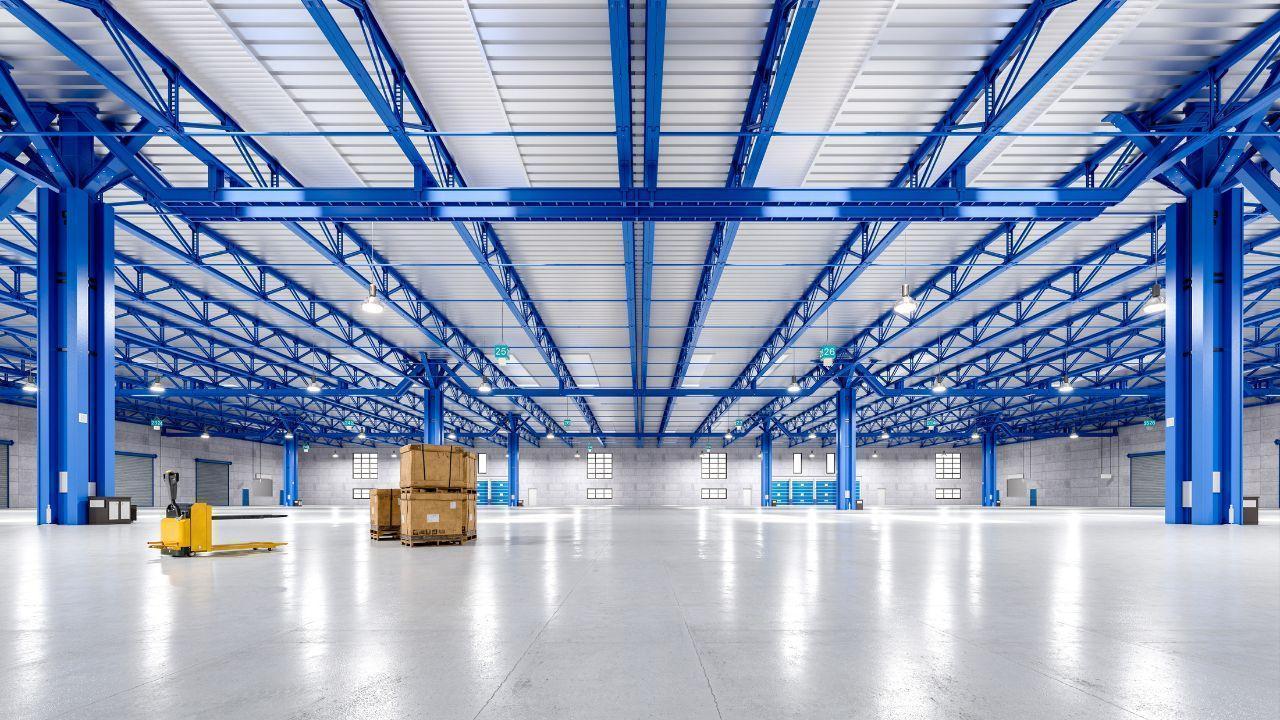
In today's fast-paced and innovation-driven world, digital transformation in industry is no longer a futuristic vision—it's a present-day reality. From smart construction to advanced manufacturing, industries across the globe are undergoing a seismic shift powered by cutting-edge technology. This transformation, often referred to as The Concrete Shift, represents how digital tools are fundamentally reinventing the way industries operate, build, and scale.
At the heart of this revolution lies Industry 4.0, a movement defined by automation, interconnectivity, machine learning, and real-time data. Traditional factories and construction zones are being replaced by smart environments where machines talk to each other, data flows instantly, and processes become more efficient than ever before.
Digital tools in infrastructure have enabled planners and engineers to design smarter, simulate environments, and execute with greater precision. 3D modeling, augmented reality (AR), and building information modeling (BIM) have drastically reduced human error and improved collaboration in large-scale projects.
The integration of digital infrastructure ensures that projects are not only executed faster but are also aligned with sustainability goals, reducing waste and energy consumption through precise planning and monitoring.
Another pivotal area where digital tools are creating ripples is in smart manufacturing. Automation has moved beyond the basic assembly line and now includes collaborative robots (cobots), real-time analytics, and AI-driven quality control systems.
Smart manufacturing relies on advanced robotics, artificial intelligence, and the Internet of Things (IoT) to streamline operations. Sensors embedded in machines provide constant feedback, allowing manufacturers to predict maintenance issues before they cause breakdowns—saving both time and money.
In this new industrial landscape, human workers aren’t being replaced but rather enhanced. Machines handle repetitive tasks, while humans focus on creative problem-solving and strategic planning. This shift empowers a new type of workforce—one that is tech-savvy, agile, and highly adaptable.
Sustainability has become a top priority for industries worldwide, and digital tools play a crucial role in achieving environmental targets. Smart grids, energy-efficient designs, and real-time environmental monitoring are now part of most modern industrial projects.
By digitizing infrastructure and processes, companies can track carbon footprints, monitor emissions, and implement waste-reduction strategies more effectively. For example, construction companies using drones and AI can map out terrain to minimize disruption to ecosystems and avoid unnecessary earth movement.
The growing trend of green infrastructure—such as solar-powered systems and recycled materials—is supported by digital platforms that help manage resources, optimize material use, and forecast environmental impact before construction even begins.
The information provided in this article is intended for general informational purposes only. While every effort has been made to ensure accuracy, readers are advised to conduct their own research before making any decisions based on this content. The views expressed do not necessarily reflect those of MiddleEastBulletin.







Anticipated Dates for UAE Eid Al Adha 2026 Unveiled by Astronomical Experts
Experts predict Eid Al Adha 2026 in the UAE to start on May 27, prompting early holiday planning amo

DAE Achieves Remarkable Growth in Q1 2026 With Record Revenue
Dubai Aerospace Enterprise announces impressive financial results for Q1 2026, reflecting a surge in

Price Increase for Sony PS5 in Southeast Asia Effective May 1
Sony announces a price increase for the PS5 across Southeast Asia starting May 1, 2026, impacting ga

Potential ‘Super El Niño’ in 2026: Understanding the Climate Risks
Could a Super El Niño emerge in 2026? Discover its implications and potential global climate impacts

Global Energy Crisis Intensifies: Markets React to Oil Supply Challenges
Markets are on edge as oil disruptions escalate, influencing prices and economic stability. Explore

Must-See Tourist Spots in London You Can't Overlook
Explore London's essential attractions, from royal landmarks to vibrant markets, ensuring an unforge




