Post by : Anees Nasser
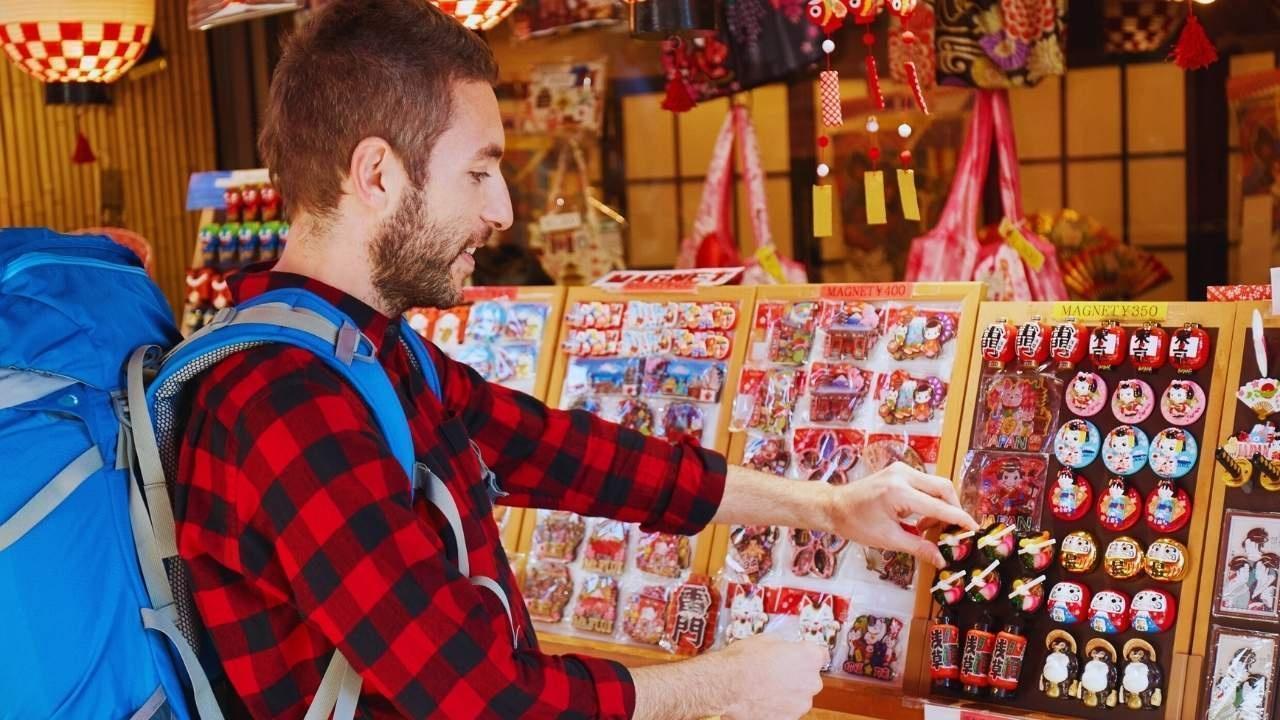
Each year, millions of travelers bring back various souvenirs—keychains, magnets, tiny replicas, T-shirts, and trinkets. More often than not, these items end up cast aside, contributing to a mountain of waste that includes plastics and low-quality goods devoid of cultural significance.
A newfound emphasis on conscious travel is transforming the souvenir landscape. Today's travelers seek out keepsakes that tell stories, support local artisans, and maintain a minimal environmental impact. Sustainable souvenirs fulfill these desires by reminding explorers of their adventures while preserving the destinations visited.
By 2025, sustainability will be an expectation rather than an option. The practice of mindful souvenir selection becomes a part of this broader movement, which aims to protect cultural heritage and bolster local economies.
A truly sustainable souvenir is not only kind to the environment but is also thoughtfully crafted. It honors local culture, backs regional economies, and minimizes ecological footprints.
A sustainable keepsake is characterized by:
ethically made
locally sourced
durable
functional or culturally meaningful
biodegradable or recyclable
non-exploitative
supportive of local craftspersons
This shift encourages travelers to move from mindless purchases to treasured collections, representing the spirit of the places visited.
In many tourist destinations, mass-produced souvenirs reign supreme. Although they're often attractively priced, these items typically carry unforeseen consequences:
cheap plastic waste
synthetic materials derived from fossil fuels
imported factory goods
substandard labor practices
cultural distortion
short-lived quality
While these souvenirs may initially seem appealing, they rarely embody authentic cultural value and often fall apart or become irrelevant quickly.
The objective isn't to eliminate fun mementos—it's about making more thoughtful choices.
Certain souvenir categories regularly promote community benefit and align with sustainability goals across the globe. They combine meaning with functionality.
Artisan-crafted pieces like pottery, textiles, and wooden sculptures bear cultural significance. They bolster the livelihoods of those who preserve local traditions.
These items narrate the region's stories, with funds directly benefiting local creators.
Scarves, shawls, and embroidered clothing provide both aesthetics and utility. Unlike mass-produced T-shirts, these items endure and represent true craftsmanship.
Handwoven textiles from various regions possess deep cultural roots.
Food-based souvenirs rank among the most sustainable options because they are consumable, rich in culture, and support local agricultural efforts.
Consider:
local spice blends
hand-harvested teas
herbal mixtures
regional salts and seasonings
dried flowers and aromatic blends
These culinary treasures allow you to savor a taste of the local essence back home.
Art pieces, from prints to small paintings by local artists, create lasting memories while supporting community creativity.
They reflect local stories, landscapes, and cultural motifs. Promoting local artists also boosts the creative economy.
Jewelry crafted from natural materials—such as stones, glass, and recycled metals—serves as memorable keepsakes.
These pieces often embody designs steeped in local culture.
Items ranging from handmade candles to bamboo crafts enhance personal spaces while respecting the planet.
Minimalist decoration sourced from natural elements is increasingly favored.
Locally crafted balms and soaps made from regional ingredients foster utility and cultural ties.
Such products often come in sustainable packaging and support local entrepreneurs.
A book penned by a local author—be it fiction, historical account, or travel narrative—makes a meaningful keepsake, deepening the connection to the destination.
It stands as a far more sustainable option compared to mass-produced novelties.
Crocheted bags, handmade cups, or eco-friendly kitchen tools serve practical purposes and simplify daily usage.
These items will not gather dust; rather, they integrate seamlessly into your life.
Not every souvenir brings joy. Some contribute to waste or exploit resources and wildlife.
Plastic décor, figurines, and cheap trinkets remain some of the worst offenders regarding travel waste. They are easily broken and quickly find their way to landfills.
Souvenirs crafted in distant lands are counterproductive. They don’t support local artisans or reflect regional culture.
Products made from shells, bones, or leather from suspect sources can harm wildlife and ecosystems.
Examples include:
shell jewelry
coral products
taxidermy
exotic animal skins
Ethical travel steers clear of anything that exploits beings or jeopardizes environments.
Many destinations prohibit extracting natural materials to protect local ecology. Taking sand, shells, or plants is harmful and often illegal.
Cheap, synthetic T-shirts attract buyers but create high ecological costs, shedding microplastics and lacking durability.
Items such as polyester flags or cheap masks are short-lived and lack cultural depth. They are often forgotten shortly after purchase.
Novelty items without lasting significance generally don’t hold sentimental value over time. Souvenirs ought to reflect genuine memories, not fleeting trends.
Travelers can spot authentic products with a few simple measures.
If sellers can discuss the background of the maker—their name, region, or craft—this indicates authenticity.
Handmade items will display subtle differences while machine-produced goods appear indistinguishable.
Natural resources like cotton, clay, or wood often signify sustainable crafting.
Countries may provide artisan credentials or craft bodies to affirm authenticity.
Craft fairs and local markets typically yield better finds than generic tourist shops.
Sustainable souvenirs benefit not only the environment but local societies as well.
Purchasing from local craftsmen ensures:
fair remuneration
the preservation of local traditions
continuation of craft talents
support for small-scale shops
a reduction in imported waste
This approach helps travelers engage in a meaningful cultural exchange rather than remaining passive consumers.
Many travelers favor compact souvenirs that won’t clutter their spaces.
Examples include:
local bookmarks
pressed flowers (from allowed locations)
handmade coasters
miniature ceramics
small paintings
locally crafted bracelets
tiny spice jars
These items offer valuable keepsakes while reducing clutter.
Edible souvenirs are ideal:
locally roasted coffee
homemade chocolates
nregional snacks
handcrafted jams
artisan honey
local dried fruits
They can be enjoyed and offer no waste.
More travelers are becoming mindful of how items are packaged.
Selecting souvenirs featuring:
fabric bags
glass containers
paper wraps
upcycled materials
helps minimize single-use waste and champions responsible manufacturing.
One of the most enriching trends is the purchase of experiences instead of physical souvenirs. Consider:
cooking classes
art workshops
guided wildlife excursions
traditional craft lessons
cultural performances
These experiences yield memories that often outlast tangible items.
Many artisans offer personalized items such as:
engravings on wood
custom illustrations
name-stitched fabric
hand-painted magnets
commissioned artworks
These creations become deeply meaningful as they're tailored for the traveler.
Sustainable travel isn’t about numerous souvenirs; it’s about selecting one or two meaningful items that endure.
This strategy reduces:
waste
costs associated with disposable goods
baggage weight
ecological footprint
Minimalist collecting results in treasured memories being preserved.
When traveling with kids, sustainable options include:
locally crafted toys
cultural puzzles
eco-friendly activity books
small instruments
sustainable stationery
These gifts impart culture while avoiding harmful plastics.
Genuine souvenirs respect cultural heritage. Buyers should be cautious of items that:
misrepresent cultural signs
commercialize sacred objects
exploit spiritual symbols
offend local practices
Upholding respect guarantees souvenirs retain cultural significance.
As sustainable travel grows, so too will the evolution of souvenir culture. The path ahead is likely to feature:
artisan marketplaces
eco-certified product labels
biodegradable materials
transparent supply chains
community-driven shops
Today’s travelers wield the power to shape a more conscious global marketplace through their choices.
This article serves general informational and lifestyle purposes only. It does not provide financial, legal, or environmental certification recommendations. Travelers should adhere to local regulations when choosing souvenirs.










Anticipated Dates for UAE Eid Al Adha 2026 Unveiled by Astronomical Experts
Experts predict Eid Al Adha 2026 in the UAE to start on May 27, prompting early holiday planning amo

DAE Achieves Remarkable Growth in Q1 2026 With Record Revenue
Dubai Aerospace Enterprise announces impressive financial results for Q1 2026, reflecting a surge in

Price Increase for Sony PS5 in Southeast Asia Effective May 1
Sony announces a price increase for the PS5 across Southeast Asia starting May 1, 2026, impacting ga

Potential ‘Super El Niño’ in 2026: Understanding the Climate Risks
Could a Super El Niño emerge in 2026? Discover its implications and potential global climate impacts

Global Energy Crisis Intensifies: Markets React to Oil Supply Challenges
Markets are on edge as oil disruptions escalate, influencing prices and economic stability. Explore

Must-See Tourist Spots in London You Can't Overlook
Explore London's essential attractions, from royal landmarks to vibrant markets, ensuring an unforge




