Post by : Sami Jeet
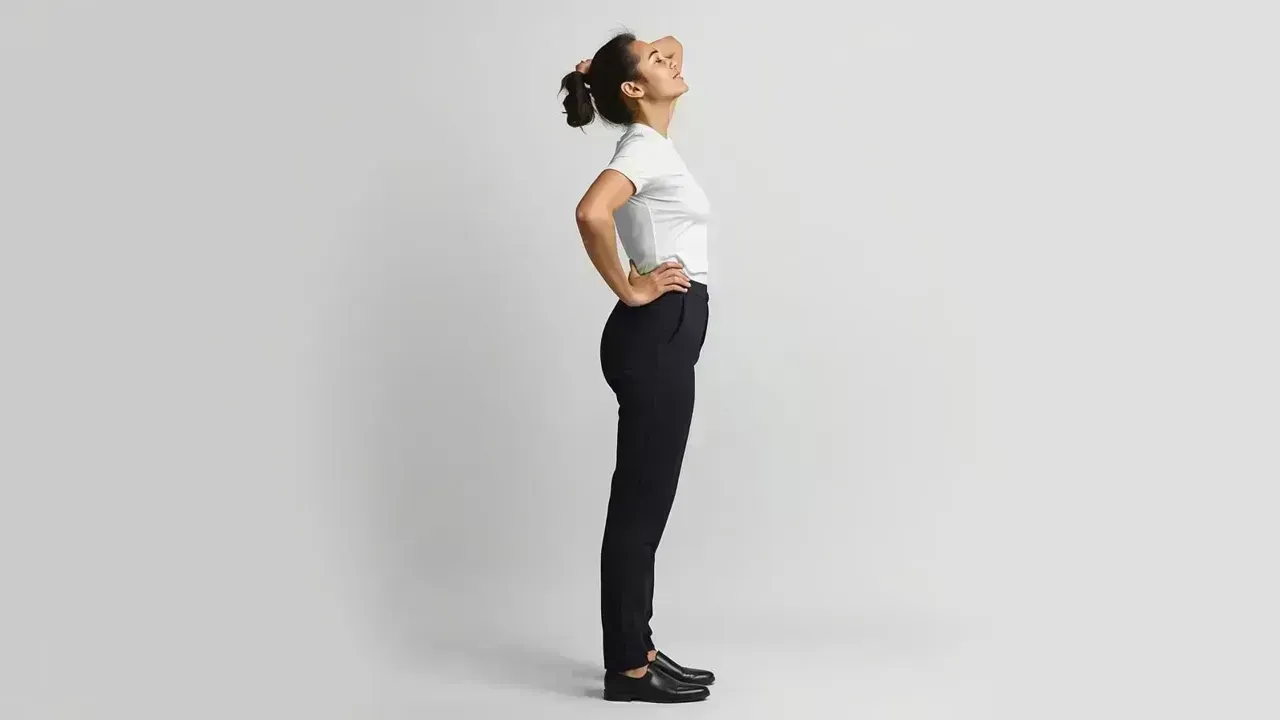
Poor posture is frequently underestimated as a trivial habit, yet it is ultimately a comprehensive health concern. In 2026, with increasing screen time and sedentary lifestyles, poor posture has become a significant factor contributing to chronic pain, fatigue, and internal health issues. Many fail to realize that posture influences more than just sitting or standing—it affects muscles, joints, breathing, digestion, circulation, and even mental health.
This extensive guide delves into how poor posture impacts your body as a whole, why the symptoms might seem disconnected, and how posture serves as a hidden root cause of many contemporary health challenges.
Posture denotes the alignment of your body against gravity when sitting, standing, or moving. Good posture ensures that bones, joints, and muscles are well-aligned. Poor posture emerges when the body is habitually misaligned, putting undue strain on muscles and joints.
Extended periods of sitting
Slouching while using screens
Weak core strength
Poor ergonomic setups
Lack of regular movement
Stress-induced muscle tightness
When these habits become routine, the body adjusts to improper positions, treating them as “normal.”
The human body operates as an interconnected system. A misalignment in one region can impact many others.
Faulty posture results in certain muscles becoming overactive and tense, while others become weaker and inactive. An example includes:
A forward-leaning head posture that tightens neck and chest muscles
Rounded shoulders that weaken upper back muscles
Anterior pelvic tilt that tightens hip flexors while weakening glutes
This imbalance causes excessive strain and diminishes movement efficiency.
Misaligned joints lead to:
Uneven pressure distribution
Accelerated cartilage wear
Increased arthritis risk
Over time, this fosters chronic stiffness and degenerative joint changes.
Among the first signs of poor posture is neck distress.
For every inch the head shifts forward, the neck endures substantially more weight. This overload:
Presses down on cervical vertebrae
Puts pressure on neck muscles
Irritates nerves
This is a leading cause of tension and cervicogenic headaches.
Tightened muscles restrict movement, making even simple actions painful and increasing injury risks.
Slouched shoulders and poor posture disrupt shoulder dynamics.
Shoulder joints fall out of optimal alignment
Rotator cuff muscles undergo strain
Weakening of upper back muscles
This leads to discomfort during lifting, reaching, or at rest.
Neglecting postural problems can lead to conditions like frozen shoulder, impingement syndromes, and chronic upper back pain.
A well-aligned spine is crucial for evenly spreading weight.
Improper posture raises pressure on spinal discs, particularly in the neck and lower back. This can:
Lower hydration levels in discs
Speed up the degeneration of discs
Heighten the risk of bulging or herniated discs
In time, this results in ongoing back pain and stiffness.
Lower back discomfort is a frequently reported posture-related issue.
Prolonged sitting can shorten hip flexors and weaken core muscles, tilting the pelvis forward and adding stress to the lumbar region.
Chronic lower back discomfort
Declined core stabilization
Greater risk of injury during daily activities
Poor posture places undue burden on the lower back.
Your posture has a direct correlation to how well you breathe.
Slouching compresses both the rib cage and diaphragm, constraining lung expansion. This leads to:
Shallow respiration
Decreased oxygen uptake
Quicker fatigue
Many individuals unknowingly breathe inadequately due to poor posture.
Insufficient oxygen diminishes energy output at the cellular level, resulting in chronic fatigue and lack of focus.
How you sit can significantly influence your digestion.
Slouched positions compress the stomach and intestines, slowing digestion and potentially causing:
Acid reflux
Bloating
Constipation
Poor nutrient uptake
Eating in a compromised posture can worsen digestive woes.
Good alignment is essential for optimal blood flow and nerve activity.
Poor posture can constrict blood vessels, particularly in the neck, shoulders, and hips, impacting:
Oxygen transportation
Nutrient delivery
Waste clearance
Pinched nerves may lead to sensations of tingling, numbness, or sharp pain in your extremities.
Poor posture necessitates continuous muscle engagement to keep the body upright.
Escalated muscle tension
Increased energy requirements
Less efficient movement
The body tires more quickly, even with simple tasks.
Your posture can have significant effects on your mental well-being.
A slouched position can correlate with:
Heightened stress sensitivity
Reduced self-esteem
Lower alertness
An upright stance enables better breathing and harmonizes the nervous system, positively affecting your mood.
Your posture is crucial for maintaining balance.
A misaligned posture can shift your center of gravity, leading to a higher risk of falls and impaired coordination, especially as one ages.
Though it may appear innocuous at first, poor posture can lead to:
Ongoing musculoskeletal pain
Decreased mobility
Spinal degeneration
Lowered life quality
Heightened reliance on pain relief medications
These consequences tend to emerge gradually, making posture a frequently overlooked risk factor.
Daily use of smartphones and laptops often leads to forward head posture.
Limited movement results in weaker muscles that support proper posture.
Stress can cause greater muscle tightness, trapping the body in unfavorable positions
Today’s posture issues are often driven by environmental factors, not simply poor habits.
Posture involves dynamic change, not static positioning.
Strengthening weaker muscle groups
Enhancing flexibility
Refining movement habits
Adjusting work environment ergonomics
Merely attempting to “sit straight” does not tackle the deeper issues at play.
Regular neck or back discomfort
Stiffness in the shoulders
Frequent headaches
Digestive distress during sitting
Unexplained fatigue
Tingling sensations in extremities
Awareness at early stages is key to preventing lasting harm.
Improving posture relies on consistent daily mindfulness, rather than quick fixes. Small, regularly implemented changes yield the most significant results.
Poor posture extends beyond just a superficial concern—it represents a systemic health threat. It influences movement, respiration, digestion, concentration, and emotional well-being. The longer it is left unaddressed, the more profound its repercussions.
Correcting posture serves as one of the most efficient, economical preventive health measures you can undertake. An aligned, supported, and balanced body functions at its best.
This article aims to provide informational value and does not replace medical advice. Individual differences exist in postural issues and their associated symptoms. For ongoing discomfort, neurological signs, or functional limitations, consult a healthcare expert like a physiotherapist, orthopedic doctor, or another qualified professional for accurate assessment and management.










Anticipated Dates for UAE Eid Al Adha 2026 Unveiled by Astronomical Experts
Experts predict Eid Al Adha 2026 in the UAE to start on May 27, prompting early holiday planning amo

DAE Achieves Remarkable Growth in Q1 2026 With Record Revenue
Dubai Aerospace Enterprise announces impressive financial results for Q1 2026, reflecting a surge in

Price Increase for Sony PS5 in Southeast Asia Effective May 1
Sony announces a price increase for the PS5 across Southeast Asia starting May 1, 2026, impacting ga

Potential ‘Super El Niño’ in 2026: Understanding the Climate Risks
Could a Super El Niño emerge in 2026? Discover its implications and potential global climate impacts

Global Energy Crisis Intensifies: Markets React to Oil Supply Challenges
Markets are on edge as oil disruptions escalate, influencing prices and economic stability. Explore

Must-See Tourist Spots in London You Can't Overlook
Explore London's essential attractions, from royal landmarks to vibrant markets, ensuring an unforge




