
Post by : Shakul
Recently, the government of Thailand unveiled a summary detailing important shifts in its foreign policy and security strategies. This initiative reinforces its commitment to bolstering international partnerships while ensuring the security of its borders.
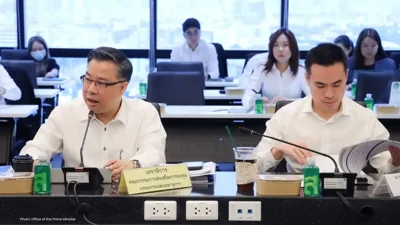
According to a statement from government spokesperson Ms. Rachada Thanadirek, these strategies align with the proposals made by Prime Minister and Interior Minister Anutin Charnvirakul to Parliament on April 9, 2026. The focus is on fostering collaboration with allied countries while safeguarding Thailand from various threats.
In a decisive move concerning national security, the government has chosen to annul MOU 44 regarding the Thai-Cambodian context. This resolution was achieved during a National Security Council meeting on April 23, where officials determined that the previous framework was ineffective and risked escalating tensions. A new negotiation approach is anticipated to establish a peaceful resolution and manage resources efficiently.
The National Security Council also endorsed five critical strategies to tackle challenges in the southern provinces. Key initiatives include overhauling the education system to meet local demands, empowering community volunteers, enhancing bilateral cooperation with Malaysia, appointing a mediator for peace discussions, and assigning a dedicated government envoy to facilitate coordination among various agencies.
On the international front, Thailand is keen on solidifying its relationships with major partners. A noteworthy meeting took place on April 24, where senior Chinese diplomat Wang Yi engaged with Thai leadership to discuss joint initiatives. Both parties agreed to reinforce their strategic alliance and broaden collaborative efforts, especially in combating transnational crimes and fraud networks.
Described as constructive and ahead-thinking, these conversations between Thailand and China emphasize security collaboration, aiming to bolster public trust and safety for citizens from both countries.
The government reiterated its dedication to a “tangible foreign policy” methodology, striving for concrete, impactful results. Officials believe this strategic direction is vital for enhancing national security, addressing regional challenges, and facilitating effective international partnerships.









DAE Achieves Remarkable Growth in Q1 2026 With Record Revenue
Dubai Aerospace Enterprise announces impressive financial results for Q1 2026, reflecting a surge in

Price Increase for Sony PS5 in Southeast Asia Effective May 1
Sony announces a price increase for the PS5 across Southeast Asia starting May 1, 2026, impacting ga

Potential ‘Super El Niño’ in 2026: Understanding the Climate Risks
Could a Super El Niño emerge in 2026? Discover its implications and potential global climate impacts

Global Energy Crisis Intensifies: Markets React to Oil Supply Challenges
Markets are on edge as oil disruptions escalate, influencing prices and economic stability. Explore

Must-See Tourist Spots in London You Can't Overlook
Explore London's essential attractions, from royal landmarks to vibrant markets, ensuring an unforge

Ultimate Guide to Snagging Cheap Flights in 2026
Unlock the secrets to booking affordable flights in 2026 with insightful tips and strategies tailore




